
Bead-head nymph flies
( number of products: 4 )Bead-head nymphs combine a subsurface imitation with a distinct weighted or visible head. The bead helps the fly descend and can add contrast, but its actual sink rate depends on material, diameter, hook size and the remainder of the dressing. This category covers conventional bead-head patterns; tungsten-bead nymphs have their own dedicated selection.
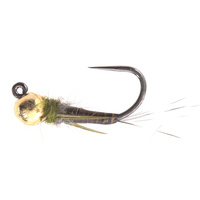


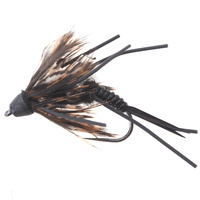
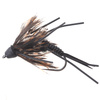
Double Bead Stone Black

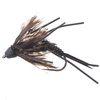

Double Bead Stone Golden
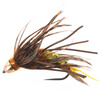


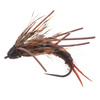
Double Bead Stone Brown


What does the bead change?
A bead concentrates mass near the front of the fly, helping it turn over and descend. It also changes the outline and may act as a colour or flash trigger. Brass, glass and other bead materials do not have the same density, so two visually similar flies can reach depth at different rates.
When to choose a bead-head nymph
Use a bead-head pattern when an unweighted nymph descends too slowly or when a clear head or hotspot suits the conditions. Conventional bead heads are useful in moderate flows, pools, stillwaters and as part of a balanced team. For fast current or maximum weight in a compact form, compare them with tungsten-bead nymphs.
Balancing size and weight
- A larger bead normally adds more weight but also creates a stronger visual and physical profile.
- A small bead on a slim hook can reach depth without turning the fly into a bulky imitation.
- Body materials can trap air or resist descent, so the bead is only one part of the sink rate.
- When fishing several flies, consider their combined weight and spacing rather than assessing each in isolation.
Presentation
On rivers, position the cast so the fly has time to descend before entering the target lane. In stillwater, use a controlled count-down, slow retrieve or suspended presentation. Contact should be sufficient to detect a take while allowing the fly to travel naturally.
Bead colour is not a universal code. Gold, copper, silver, black and brighter beads can all be useful, but depth, size and drift remain the first variables to establish. Once the presentation is correct, bead colour becomes a practical way to adjust contrast.