
Fly-Tying Foam for Dry Flies and Terrestrials
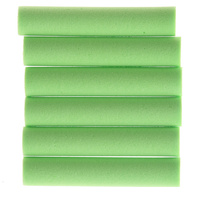
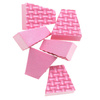
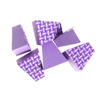
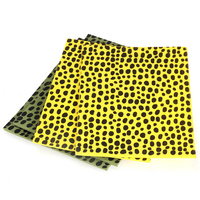
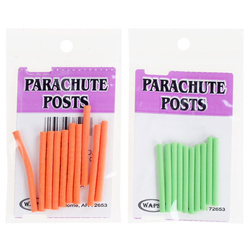
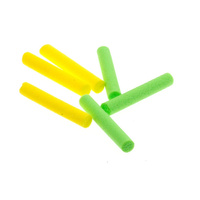
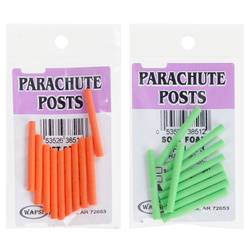
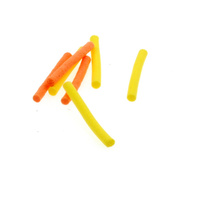
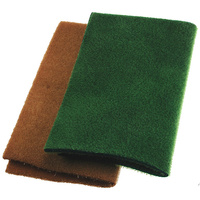
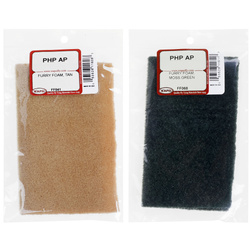
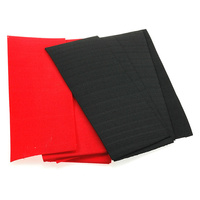
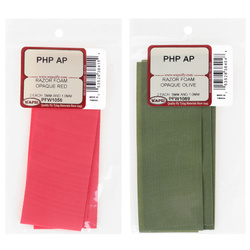
( number of products: 37 )Closed-cell fly-tying foam creates buoyant bodies, backs, posts and heads while remaining easy to cut and shape. Sheets, cylinders, blocks and pre-cut forms are used in beetles, ants, hoppers, stoneflies, mayflies, detached bodies and foam indicators.



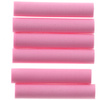
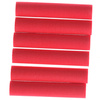
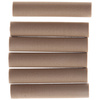

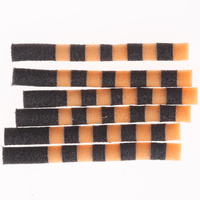


























































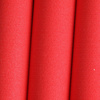
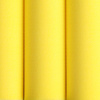


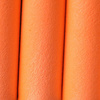
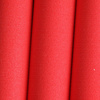




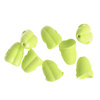


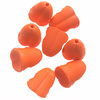
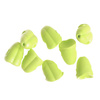
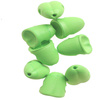




















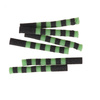
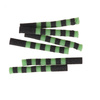


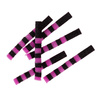


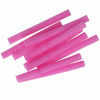

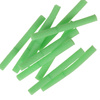

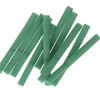
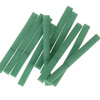

































- 1
- 2
Thickness controls more than buoyancy
Thin foam follows a small hook and forms delicate backs or wing cases. Thicker foam creates volume and a stronger silhouette, but it also occupies hook gape and can twist the leader. Several thin layers are often easier to shape and colour than one oversized piece.
Common foam forms
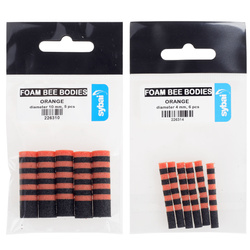
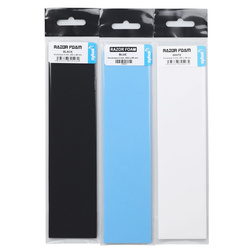
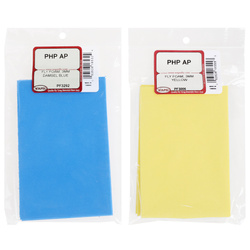
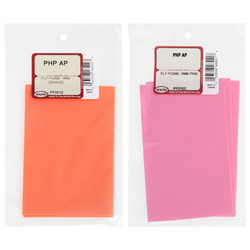
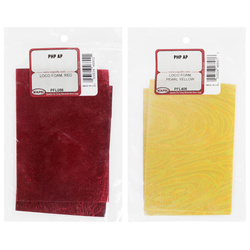
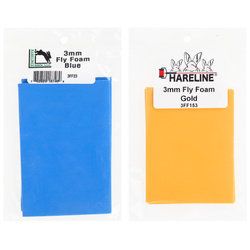
- Sheets: cut into strips, backs, wings and layered bodies.
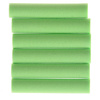
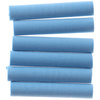
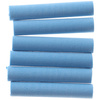
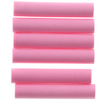
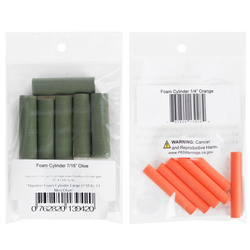
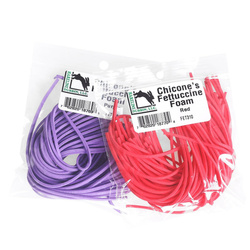
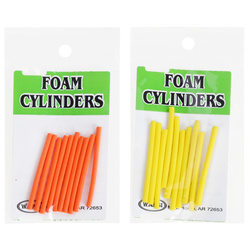
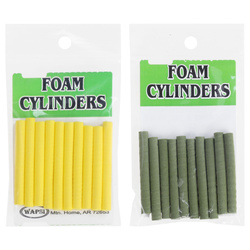
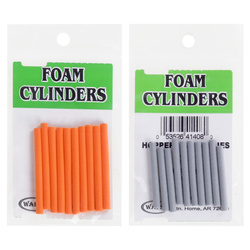
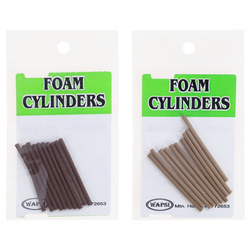
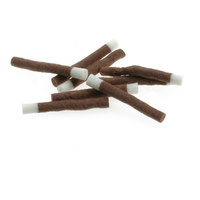
- Cylinders: useful for extended bodies, posts and segmented forms.
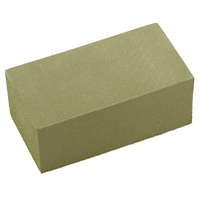
- Blocks: shaped or cut for larger bodies and custom profiles.
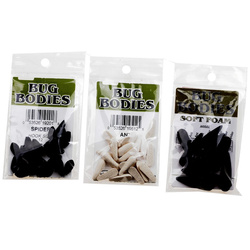
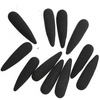
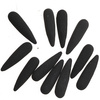
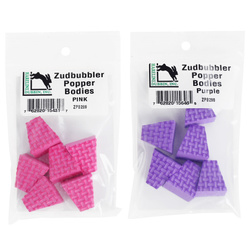
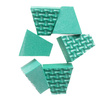
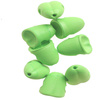
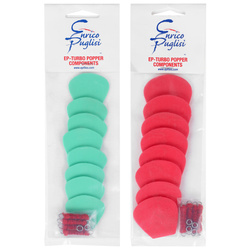
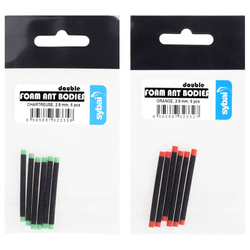
- Pre-cut bodies and cutters: repeat a consistent outline for a series of flies.
Closed-cell foam and water
Closed cells resist absorbing water into the material itself, but a foam fly can still sit low or sink when the hook and other components are heavy, the surface is coated with slime or the construction allows water to remain between layers. Buoyancy belongs to the complete fly.
Cutting a clean body
Use a sharp blade or dedicated cutter on a firm surface. Compressing foam with blunt scissors produces a ragged edge and uneven width. For matching left and right sides, cut the shape once and use it as a template. Round sharp corners when the pattern should land softly.
Tying foam without cutting it
Foam compresses under thread and can be severed by excessive pressure. Start with controlled turns and spread load over a short area. A flat thread and a smooth underbody reduce damage. Leave enough material beyond the tie-in point to prevent it pulling free.
Segmentation and layered colours
Thread turns can divide a foam strip into abdomen segments. Layering a light underside and dark back creates contrast and allows a coloured indicator to be added separately. Permanent markers can produce mottling and segmentation, but test them first because some inks remain tacky or react with coatings.
Foam in dry flies
Foam is especially useful in beetles, ants, hoppers and other terrestrials whose broad silhouette matters. It can also provide a post, thorax cover or small buoyant element in conventional dry flies. Keep the hook gape open and avoid making the body so wide that the fly lands on its side.
Adhesives and coatings
Use products known to be compatible with the foam. Solvent-rich adhesives can soften or distort some formulations. Apply only enough to secure layers; a hard shell can remove flexibility and add weight.
Frequently asked questions
Does thicker foam always float better?
It provides more buoyant volume, but it also increases bulk and air resistance. The correct thickness is the smallest that supports the intended fly and silhouette.
Can ordinary craft foam be used?
Some can, but density, resilience, cell structure, thickness and colour stability vary. Fly-tying foam offers more predictable dimensions and handling.
Why does the foam rotate around the hook?
The base may be too smooth, the tie-in too short or the thread pressure uneven. Build a firm thread foundation and secure the foam at more than one controlled point.