
Fishing flies for trout, grayling, salmon, pike and saltwater
( number of products: 666 )Choose a fishing fly by presentation first: decide whether the fish are feeding at the surface, in the surface film, through the water column or close to the bottom. Then refine the choice by size, silhouette, weight, movement and colour. Our range covers dry flies, emergers, nymphs, wet flies and streamers, together with purpose-built patterns for stillwaters, salmon, sea trout, pike and saltwater species.
The categories below organise the flies by the way they are normally fished and by the prey or life stage they suggest. That makes it easier to move from a fishing situation to a useful shortlist instead of choosing from colour alone.
Which fishing fly should I choose?
- Trout or grayling are taking insects from the surface: choose a dry fly that is close to the visible insects in size and outline.
- You see rings, bulges or a dorsal fin but not the fish's mouth above water: try an emerger, because the fish may be taking insects in or immediately below the surface film.
- Fish are feeding below the surface or close to the bottom: choose a nymph and match its weight to the depth and current speed.
- No hatch is visible on a river: a wet fly can search the water on a controlled drift or swing, while a streamer suits fish hunting baitfish or other mobile prey.
- Stillwater trout: select a lake fly for the feeding depth — a buzzer when chironomids are active, a damsel around weed, a wet fly or streamer for searching, and a Blob or Booby for the presentations those patterns are designed to make.
- Pike: use a large, mobile pike fly with a suitable bite-resistant trace.
- Baltic sea trout from the coast: match a shrimp, mysid, goby or baitfish pattern to the bottom, depth and prey you can observe.
- Salmon: choose the size, contrast and outline of a salmon fly in relation to water height, temperature, clarity and presentation speed.

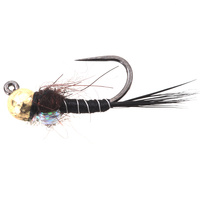
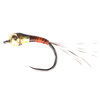
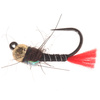
Quill Body red tag Jig


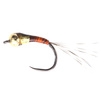
Perdigon Quill Body Holo Green

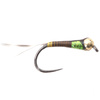

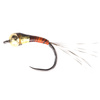
Perdigon Orange Quill and Gold

 + 1Opcji
Yellow Ribbed Brown Nymph
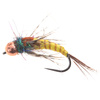




Olive Quill Body Flash Back Jig


 + 1Opcji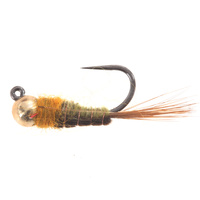

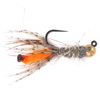
Peeping Caddis Jig Orange


 + 1Opcji
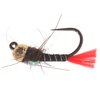
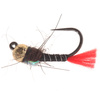
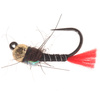
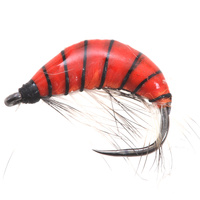
Epoxy Scud Orange (1)
 + 1Opcji
Tungsten BH Ribbed Hare Ear


Chartreuse Woven Back Brown Jig


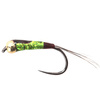
Perdigon Holo Green Brown Tag
 + 1Opcji
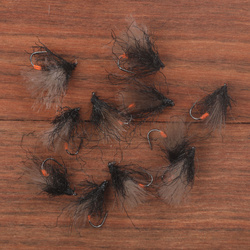

Emerger Parachute CDC Hedron Body

Emerger Parachute CDC Pheasant Tail

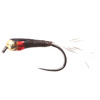
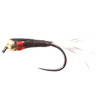
Perdigon Quill and Holo Red
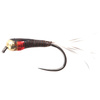
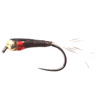 + 1Opcji
Rusty CDC Body Caddis Jig


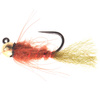 + 1Opcji
Tungsten BH Micro Nymph Brown Cream


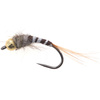
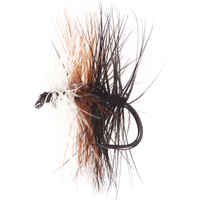

Mayfly Olive Hackled (1)

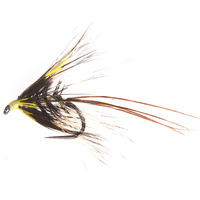
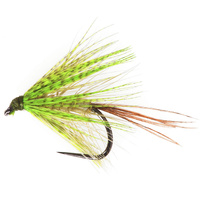
Mayfly Guinea Foul Hackled Yellow (1)


Mayfly French Partridge Hackled (1)

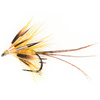

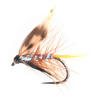
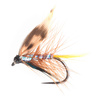

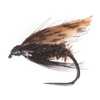
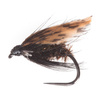

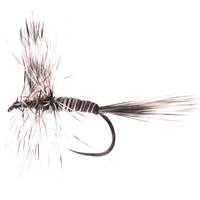



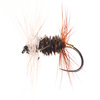
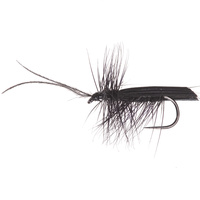



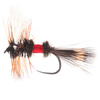

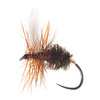


Orange Woven Back Brown Jig
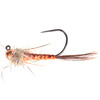


Perdigon Holo Red


 + 1Opcji
How to choose a fishing fly
A fly does not need to be a perfect copy of one insect to be useful. Fish respond to a combination of cues: where the fly travels, its apparent size, outline, movement, contrast and the speed at which it rises or sinks. Begin with the feeding zone and presentation. A close imitation becomes more important during a selective hatch; at other times, a suggestive pattern that shows the right size and behaviour may be the better starting point.
Surface and surface-film presentations
Use dry flies when fish are taking from the surface or when you want a visible pattern that can be drifted, skated or twitched. Emergers sit in or just beneath the surface film and represent the vulnerable transition between an aquatic stage and the adult insect. Terrestrials cover beetles, ants, hoppers and other land insects that reach the water.
Subsurface and bottom presentations
Nymphs represent aquatic insects and other small food items below the surface. Their weight should suit the depth and current: too light and the fly may pass above the feeding zone; unnecessarily heavy flies can make a shallow presentation awkward. Wet flies are commonly fished on a controlled drift or swing, where current and soft materials provide much of the movement.
Mobile prey and searching patterns
Streamers suggest baitfish, leeches and other mobile prey. Retrieve speed, pauses and the direction in which the fly crosses the current often matter as much as its colour. For stillwater trout, the lake-fly selection includes buzzers, damsel nymphs, daddies, hoppers, Blobs and Boobies, each suited to a different depth or style of presentation.
Match size, weight and colour to the conditions
- Size: compare the fly with the natural food or baitfish you can see. When there is no obvious hatch, water clarity and fish pressure are useful guides: a restrained profile is often easier to present naturally in clear, calm water.
- Weight: select enough weight to reach and hold the intended level. Current speed, leader length, line density and cast angle all affect the final depth.
- Colour and contrast: natural shades help to imitate familiar food, while a bright tag, bead or hotspot can make a searching pattern easier to notice. Light level and water colour change how both approaches appear underwater.
- Movement: soft hackle, marabou and fur move with little input; stiffer hair and shaped synthetics maintain a defined outline. Choose the behaviour as deliberately as the colour.
Specialist flies for particular water and species
Large predatory fish and demanding environments require more than an enlarged trout fly. Pike flies need a substantial profile and an appropriate bite-resistant leader. Salmon flies are selected around water height, clarity, temperature and presentation. Baltic sea-trout flies commonly suggest shrimp, mysids, gobies or small baitfish, while saltwater flies cover shrimp, crab and baitfish forms for a wide range of coastal situations. Always match the hook, leader and tackle to the target species and local rules.
Barbed or barbless?
Barbless hooks are easier to remove and may be required by fishery rules; barbed hooks remain permitted in many other waters. Neither choice replaces steady pressure during the fight or careful fish handling. Check the regulations for the water you intend to fish, then use the relevant product information to confirm the hook type of an individual pattern.
Frequently asked questions
Should I choose the fly before the size?
Choose the presentation and broad family first, then select a size that fits the available food, target fish and conditions. A correctly sized nymph at the wrong depth is still unlikely to reach feeding fish.
When should I change a fly?
Change one variable at a time when possible. Adjust depth or presentation before replacing a plausible pattern; if fish follow but refuse, a change in size, silhouette or colour can be more informative than an immediate move to a completely different family.
Can one fly work in both rivers and lakes?
Yes. Many nymphs, wet flies and streamers work in both, but the presentation changes. Current can animate and transport a river fly, whereas stillwater fishing usually requires the angler to control depth, retrieve and pauses more directly.