
Feathers for Fly Tying
( number of products: 199 )Choose a fly-tying feather by its structure and intended function, not only by the bird species. Barb stiffness, web, stem thickness, vane width and usable length determine whether a feather can support a dry fly, pulse as a wet-fly hackle, form a wing or create a mobile streamer body.
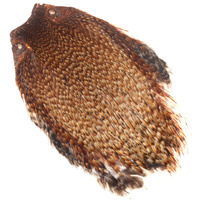
Capes and saddles provide hackle across defined size ranges. CDC supplies delicate branched fibres for surface flies and emergers. Loose feathers include marabou, flank, biots, quills and specialist plumage, while skins, tails and wings preserve different natural structures.
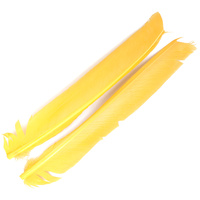
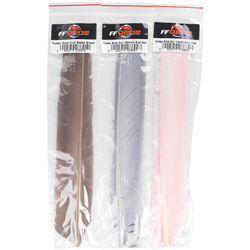




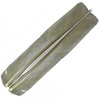

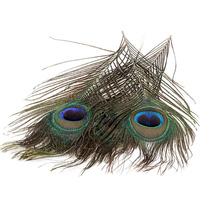









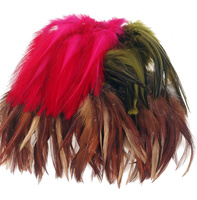
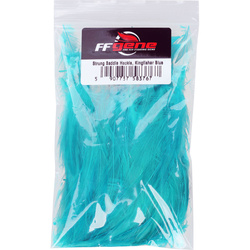
























































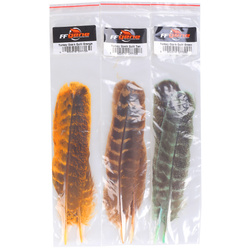



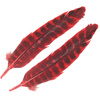


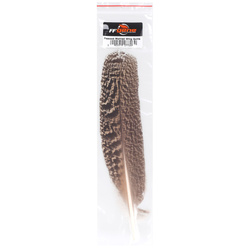
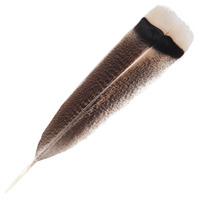
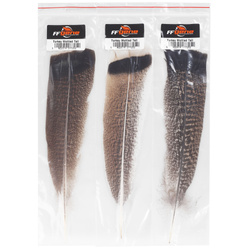
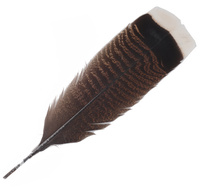
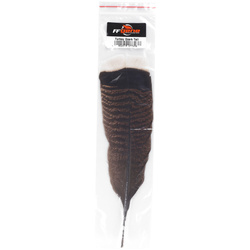
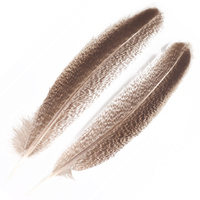
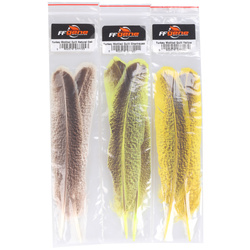
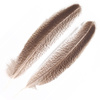


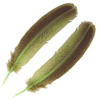
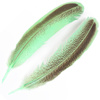


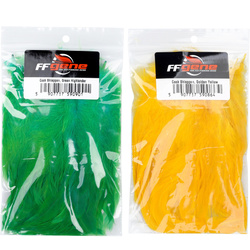







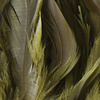
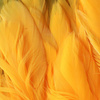
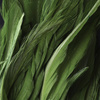
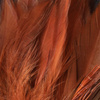






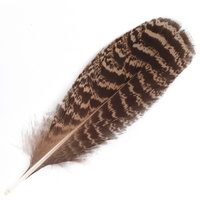
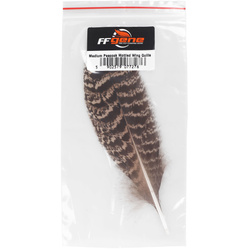
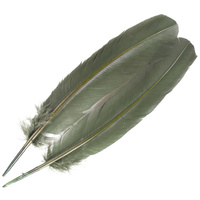
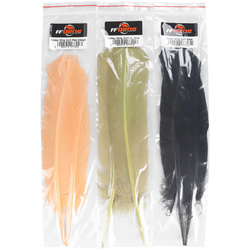
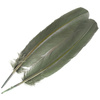

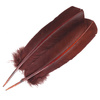
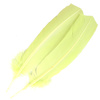
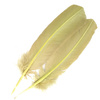


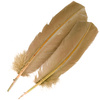

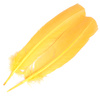

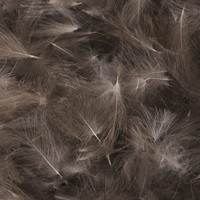
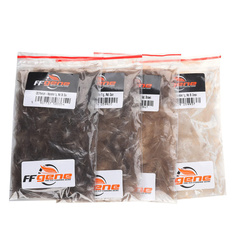


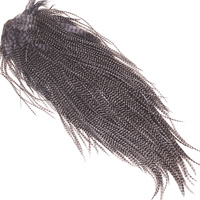

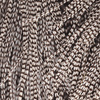

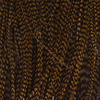
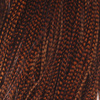



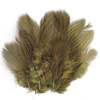


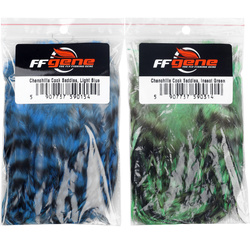





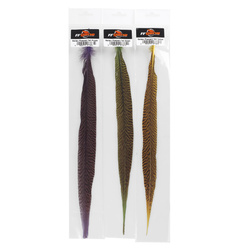




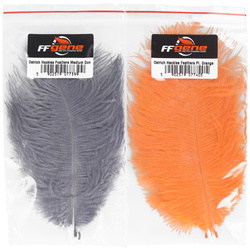







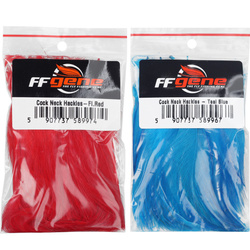































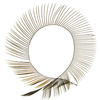








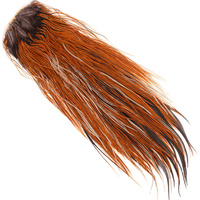

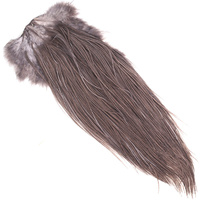


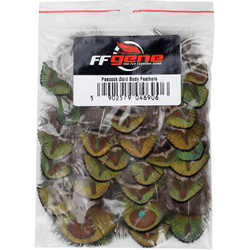


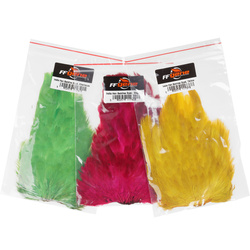

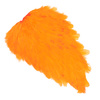
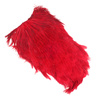
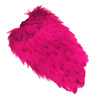
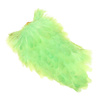
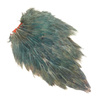
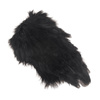
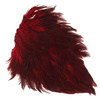
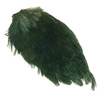
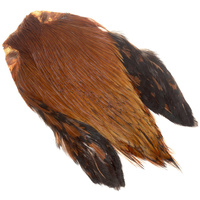













Begin with the feather's job in the fly
- Dry-fly hackle: relatively stiff barbs, limited web and a stem that can be wound at the required hook size.
- Soft hackle and collars: mobile barbs with more web and a supple stem.
- Streamer movement: long marabou, schlappen or saddle fibres that open and collapse in water.
- Tail and body fibres: straight barbs, biots, quills and herl with suitable taper or edge.
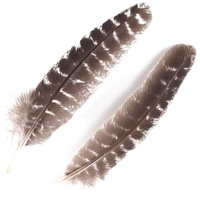
- Paired wings: matching slips from corresponding left and right flight feathers.
Where on the bird did the feather grow?
A neck or cape carries a broad range of relatively short feathers. A saddle generally provides longer feathers with a narrower range of sizes. Wing and tail feathers have firmer vanes suited to slips, quills and structural elements. Flank and body feathers often combine pattern, web and movement. CDC comes from the area around the preen gland and has a fine branching structure.
Origin predicts tendencies, not an absolute result. Two feathers from one bird can behave differently, and genetic breeding, age, processing and dyeing further influence the material.
Cape, saddle, skin or loose pack?
A cape is efficient when many hook sizes are tied. A saddle is useful for repeated flies requiring long, consistent hackle. A skin preserves a natural selection of feather shapes and sizes from one body area. A loose pack is economical when one defined feather type or colour is required.
Assess value by usable feathers for the patterns you tie, not merely by patch size or grade name. Manufacturer grades are meaningful within that producer's own system and should not be treated as a universal scale.
How to examine a feather
- Stroke the barbs perpendicular to the stem and check their stiffness and web.
- Bend the stem where it will be wound; it should flex without splitting.
- Measure barb length against the hook or intended profile.
- Check how much of the feather has uniform, usable structure.
- Inspect dyed material for brittle tips, uneven colour or residue.
Web, down and resilience
Web is the area where neighbouring barbules hold the vane together. More web generally creates a fuller, less separated profile; little web leaves individual barbs distinct. Down at the base is soft and traps air but is normally removed before winding. Resilience determines whether fibres spring back, remain swept or collapse in current.
Natural, dyed, grizzly and UV-treated
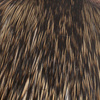
Natural markings create barring and tonal variation. Grizzly describes barred plumage, not a single colour. Dyeing expands the palette but can alter feel, and commercial UV treatments may change fluorescence or reflectance. These labels do not replace direct examination under normal light and in water.
Storage
Keep feathers dry, labelled and protected from insects. Quarantine and inspect new natural materials before placing them with an established collection. Avoid crushing stems and long fibres. Sealed storage helps control pests, but damp material must be dried before it is enclosed.
Frequently asked questions
Does every cock feather suit a dry fly?
No. Dry-fly hackle requires the right barb stiffness, low web, stem and size. Many cock feathers are better for streamers or general tying.
Are hen feathers inferior?
No. Their softer, more webbed structure is exactly what many wet flies, nymphs and collars require.
Should CDC be heavily treated with floatant?
No. Use a product intended for CDC sparingly; heavy grease can collapse the fibre structure.
Explore the dedicated sections for bird skins, tail feathers and wings and quills.