
Zonker Strips for Streamers and Predator Flies
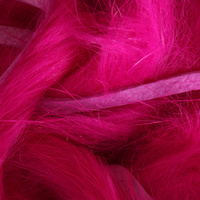
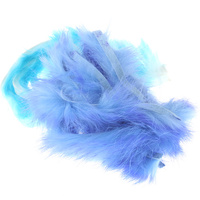
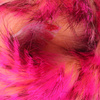
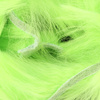
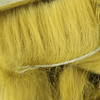
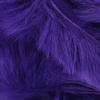
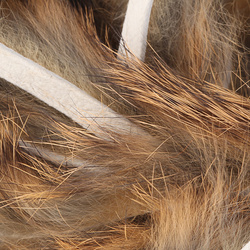
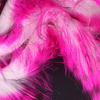
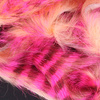
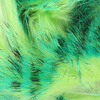
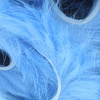
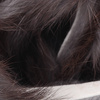
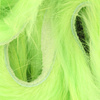
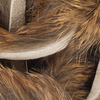
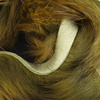
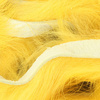
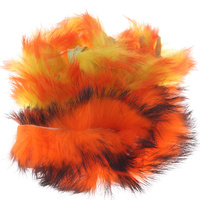
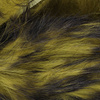
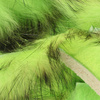
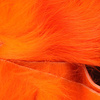
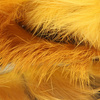
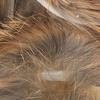
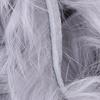
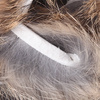
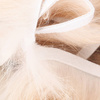
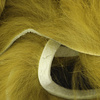
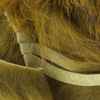
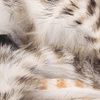
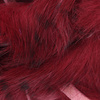
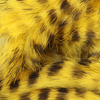
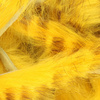
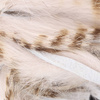
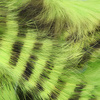
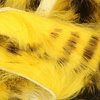
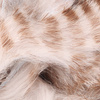
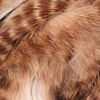
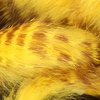
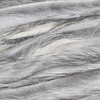
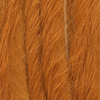
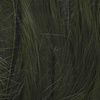
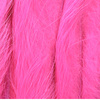
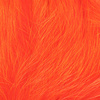
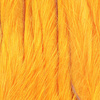
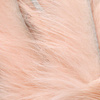
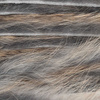
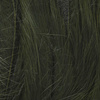
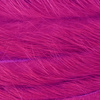
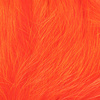
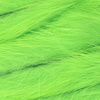
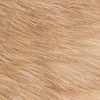
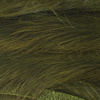
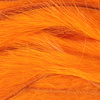
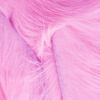
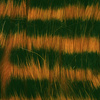
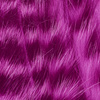
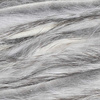
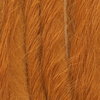
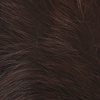
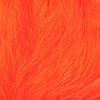
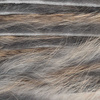
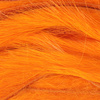
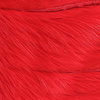
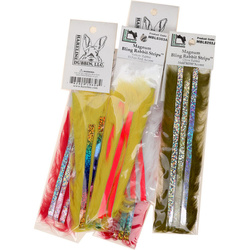
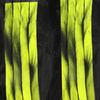
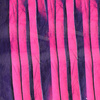
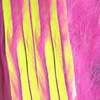
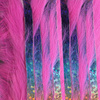
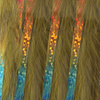
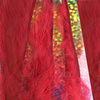
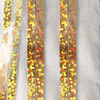
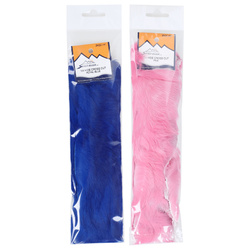
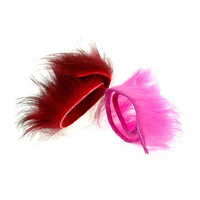
( number of products: 39 )A zonker is a narrow strip cut from fur-on skin. The flexible skin makes the fur move as one continuous element, while the fibres fold, pulse and reopen as the fly changes speed. Species, strip width, skin thickness, fur length and cutting direction all influence the action.
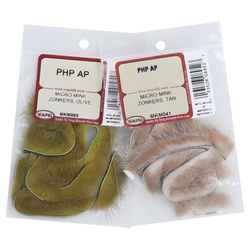
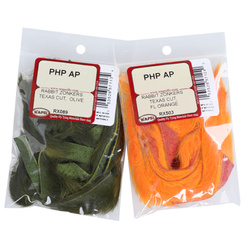
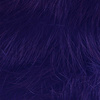
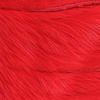
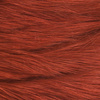
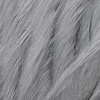
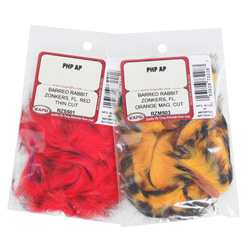
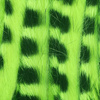
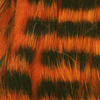
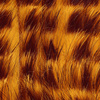
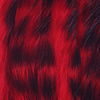
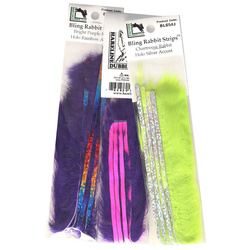
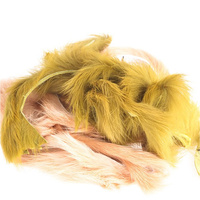
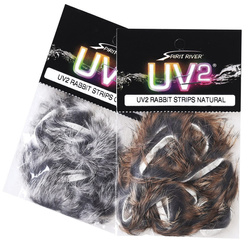
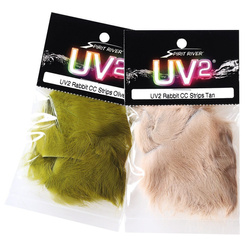
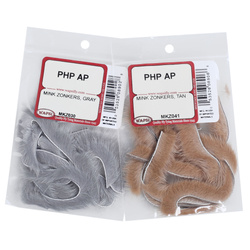
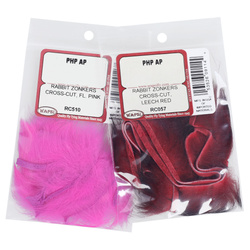
The range includes standard, micro, thin, magnum and crosscut rabbit strips, barred and two-tone versions, and selected mink, squirrel, fox and Finn-raccoon zonkers.





























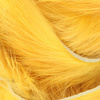

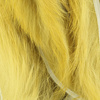


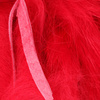
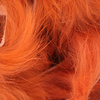


































































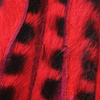
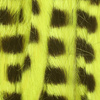
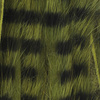
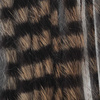
















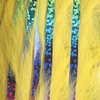

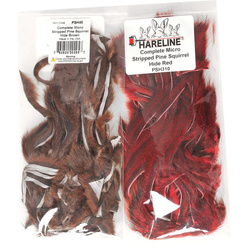


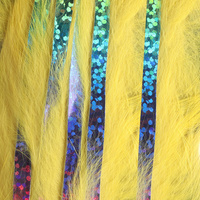














- 1
- 2
Straight-cut and crosscut zonkers
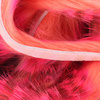
A standard zonker strip is cut parallel to the natural lay of the fur and is normally tied along the hook as a wing or tail. A crosscut strip runs across that lay, allowing the fibres to be swept backwards while the skin is wound around the shank. Crosscut is not a higher grade; it is a different cutting direction for a different construction.
Strip width and fur length are separate choices
Micro, Thin Cut, Standard, Magnum and similar names describe sizes within a manufacturer's range rather than one universal dimensional standard. Check both the leather width and the actual fur length. A narrow strip with long fur can create a large visual profile with less skin mass, while a broader strip supplies a firmer base and a more pronounced movement.
Rabbit, squirrel, mink, fox and Finn raccoon
- Rabbit: soft, fluid action even at low speed; the familiar choice for leeches and many trout or predator streamers.
- Squirrel: thinner skin and shorter, more defined hair for smaller zonkers and nymph-streamer hybrids.
- Mink: compact fine fur for small profiles.
- Fox: longer soft fibres producing a slim mobile edge.
- Finn raccoon: long guard hairs over dense underfur for a more layered profile.
Changing species changes the action even if the skin strips have the same width.
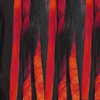
Barred, two-tone, flash and UV treatments
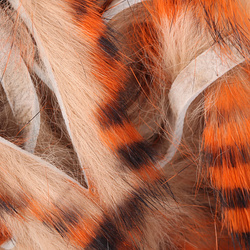
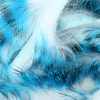
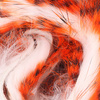
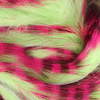
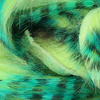
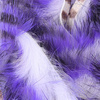
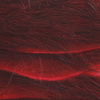
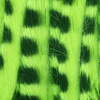
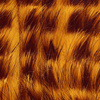
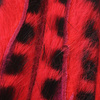
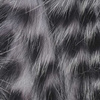
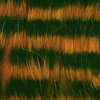
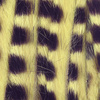
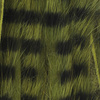
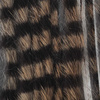
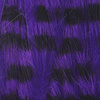
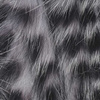
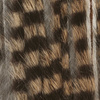
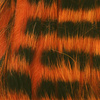
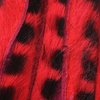
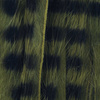
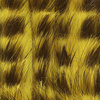
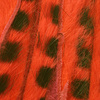
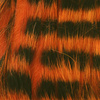
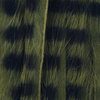
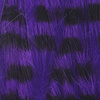
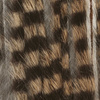
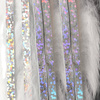
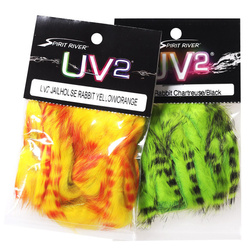
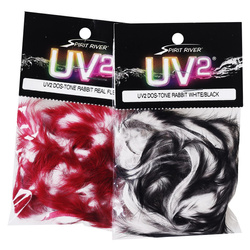
Barring and colour transitions break up a uniform outline and can suggest segmentation, a darker back or the markings of a small fish. Flash incorporated into a strip adds reflective points. UV-series names describe a particular optical treatment; they do not replace the need to choose a suitable size, silhouette and retrieve.
How to tie a straight zonker strip
- Set the required length and check the direction in which the fur lies.
- Part the fibres exactly at the tie-in point so the thread grips skin rather than a slippery cushion of fur.
- Place the skin side against the hook and secure it without cutting through the leather.
- Add another fixing point when a long wing needs control.
- Use a short support or anti-fouling loop if a very soft tail wraps around the bend.
How to wind crosscut fur
Attach the end with the fibres oriented so that they can be swept backwards. Move trapped fur out of the way before each turn and avoid excessive overlap, which adds unnecessary skin mass. After tying off, release caught fibres with a needle or brush.
Water absorption and casting
Natural fur and skin hold water, so a wet zonker is heavier than it appears at the vice. Match the completed fly to the line and leader, use a more open casting loop and remove surplus water before the next cast. Large flies do not always need the widest strip; controlled proportions usually cast and swim better.
Care and natural variation
Strips vary slightly in fur length, leather thickness, dye shade and barring. Select matching pieces together when tying a series. Store them dry, sealed and labelled. Dry used flies at room temperature before placing them near unused natural materials.
Frequently asked questions
Can crosscut be used as a wing?
It can be attached, but its fibre direction is principally prepared for winding. A straight-cut strip is normally easier to align as a continuous wing.
Which zonker suits a small streamer?
Begin with a narrow strip and shorter fur: micro, thin, mink or squirrel. Judge it against the actual hook shank, not only the nominal hook size.
Does magnum state an exact width?
No. It denotes a larger option within a particular range; check the individual specification.
Browse loose and patch-mounted fibres under fur and hair on the skin, or return to the complete fly-tying fur guide.