
Fly-Tying Threads, Tinsels, Wires and Body Materials
( number of products: 137 )A spool is a convenient way to supply material, not a description of its purpose. Tying thread secures the fly. Wire or tinsel forms a rib, reinforces a body, adds reflection or provides weight. Floss, quill, yarn, chenille, braid and elastic materials create the visible body itself.
- Tying threads for securing materials and controlling construction.
- Body materials for smooth, segmented, soft or reflective surfaces.
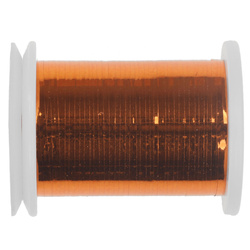
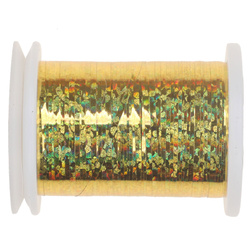
- Tinsels and wires for ribs, reinforcement, flash and weighting.

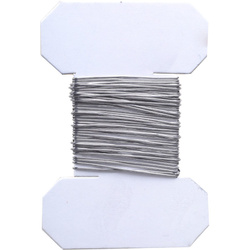
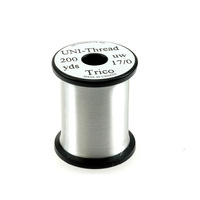









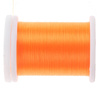

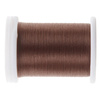
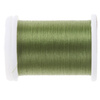
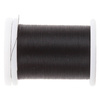


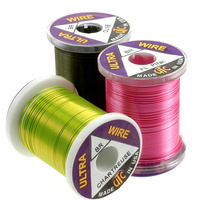


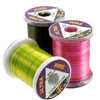
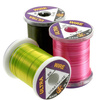
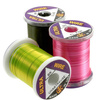

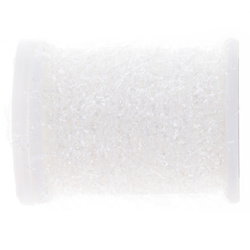


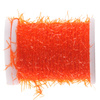
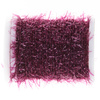

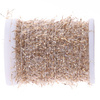


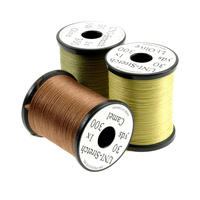


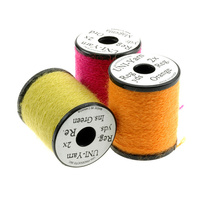


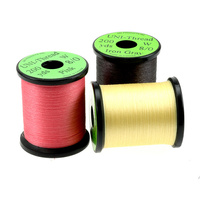





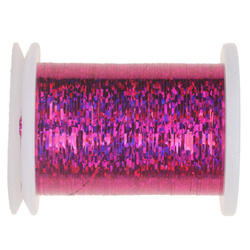
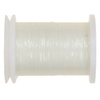
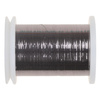
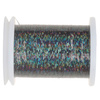
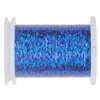
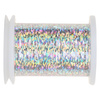
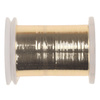
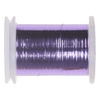
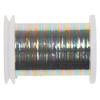
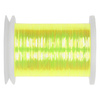
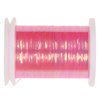
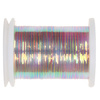
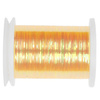
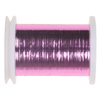

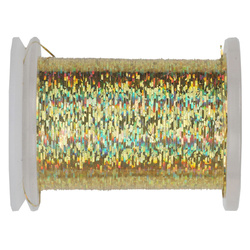
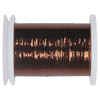
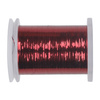

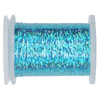
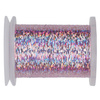
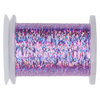
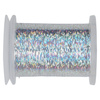
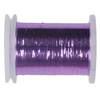
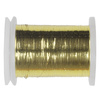
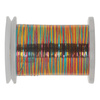
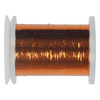
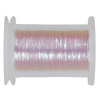
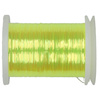
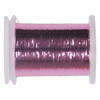

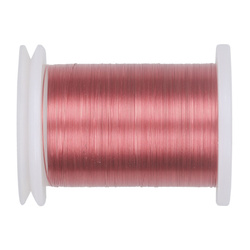

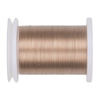
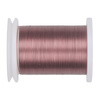
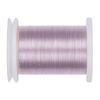
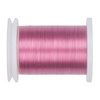

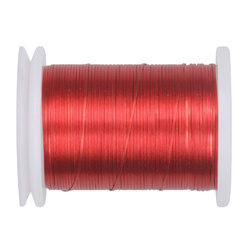

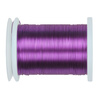
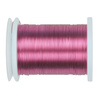
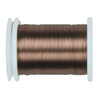
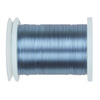
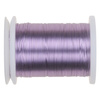
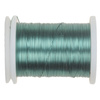
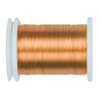

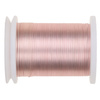
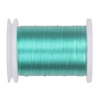
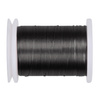
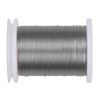
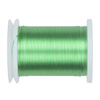
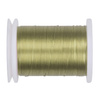
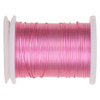
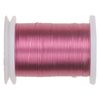
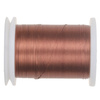

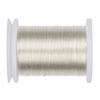
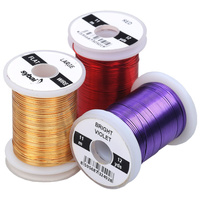





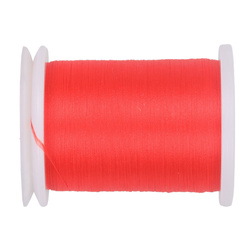



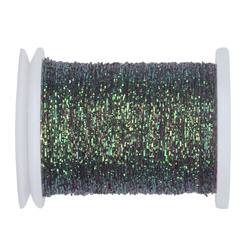


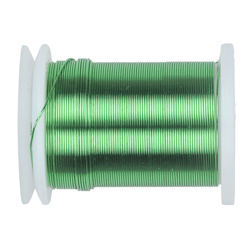

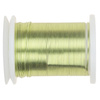

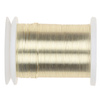

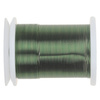
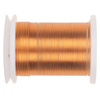
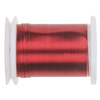
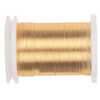
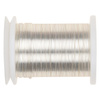

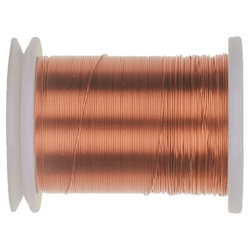
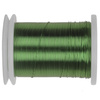
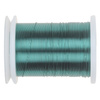
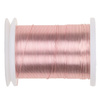
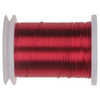

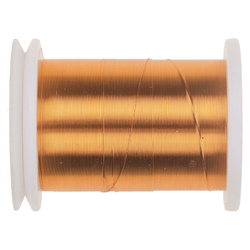

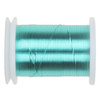

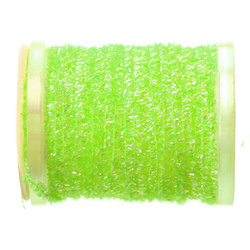
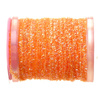
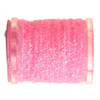
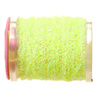
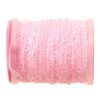
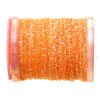
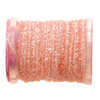
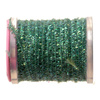
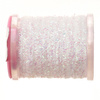
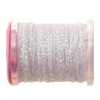
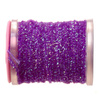


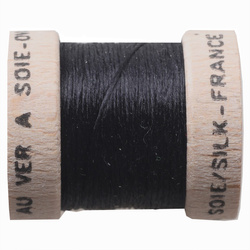


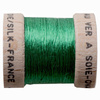
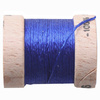










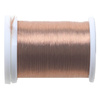
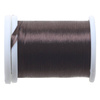
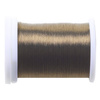

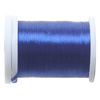









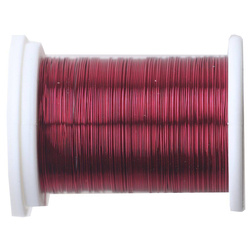



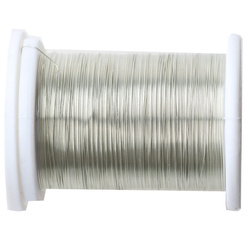







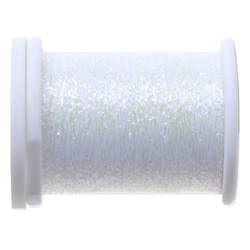

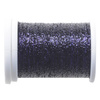
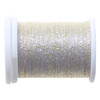
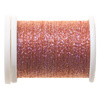
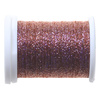



Start with the job the material must perform
Two products on similar spools may react completely differently. Tying thread must grip, flatten or remain round as required and withstand the tension of construction. Body material is selected for the finished surface. A ribbing material must pass over the body without cutting it and may need enough strength to protect delicate fibres.
Tying thread
Thread holds each stage of a fly in place. Diameter, breaking strain, fibre, twist, flatness, stretch, wax and colour all matter. Fine thread reduces bulk on small hooks; stronger thread allows firmer pressure on deer hair and large streamers. The thinnest or strongest option is not automatically the most controllable.
Body material
Floss and flat quill create smooth bodies. D-Rib, Round Rib and elastic strips form pronounced segmentation. Yarn, wool and mohair make softer textured bodies. Chenille and braid cover an underbody quickly and can add volume or reflection. Select the final profile first, then diameter and colour.
Tinsel and wire
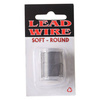
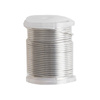
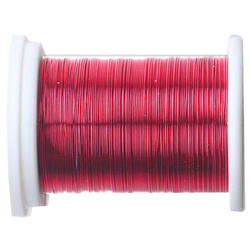
Flat tinsel creates a reflective body or stripe. Oval tinsel gives a raised classical rib. Fine round wire reinforces peacock herl, dubbing and other vulnerable bodies. Heavier lead or lead-free wire builds weight beneath the visible materials. Each changes body diameter, so plan the underbody before tying.
How to compare spool markings
Thread sizes written as /0, denier or a manufacturer's own name are not one universal scale. Wire and tinsel sizes such as extra small, medium or large are also range-specific. Compare actual diameter or width where supplied and test the material on the intended hook.
Controlling bulk
- secure stripped cores rather than tying chenille pile into the head;
- flatten thread where a smooth foundation is required;
- tie in body material along the shank to maintain an even underbody;
- choose a rib fine enough to show segmentation without obscuring the body;
- remove unnecessary turns before adding another layer.
Durability and finishing
A counter-wound wire rib can protect a fragile body by crossing it in the opposite direction. Metallic films may benefit from a thin compatible coating, while heavy resin can conceal texture and add unwanted weight. Cut wire with dedicated cutters rather than fine fly-tying scissors.
Frequently asked questions
Can tying thread be used as a body?
Yes. Flat or carefully wound thread can create a fine smooth body, although its colour may change over a dark underbody or after varnishing.
Can wire replace tinsel?
It can provide colour and reflection, but its round section, stiffness and mass create a different result from flat or oval tinsel.
Does spool size indicate material thickness?
No. It describes the package. Read the product size and construction separately.