
Egg flies and roe patterns
( number of products: 5 )Egg flies imitate loose fish eggs rather than an aquatic insect. Their compact round profile and concentrated colour make them easy to recognise in the water. The range includes natural roe shades and brighter variations, some with flash or contrasting details. Check local rules and use these patterns only where the method is permitted and appropriate.
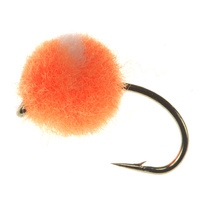
Egg Roe Bug Flame Orange
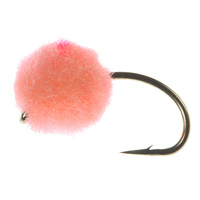

Egg Roe Bug Fl. Yellow

Egg Krystal Flame Orange

Egg Golden Bead Krystal Peach
When are egg patterns relevant?
Eggs can enter the drift where spawning fish are present, and other fish may feed on them downstream. Timing, species and local regulations matter. An egg pattern should not be treated as a general excuse to disturb spawning fish or to fish closed or protected areas.
Choosing colour and size
Natural salmon, peach, cream and pale pink shades provide an imitative starting point. Flame orange, bright pink and fluorescent colours create more contrast in coloured water or low visibility. The correct size depends on the food being represented and on the clarity and pressure of the fishery; an unnecessarily large pattern can look less natural and be harder to present.
Presentation
Egg flies are commonly drifted close to the bottom or at the level where eggs would travel with the current. Weight may come from the pattern, the leader system or another fly where permitted. Avoid dragging the egg faster or slower than the surrounding flow, and maintain contact sufficient to detect a pause.
Rigging considerations
- Use only the number of flies and any additional weight permitted by local regulations.
- Choose a hook and leader appropriate to the target fish, current and expected snags.
- Check the hook point after contact with the bottom.
- Do not assume that a bright egg is always more visible to fish in the same way it appears to an angler above the water.
Egg patterns are a specialised food imitation. Their value comes from placing the right size and shade in a credible feeding lane, not from presenting them as an insect nymph.