
Stretch Film, Elastic Strips and Fly-Tying Rubber
( number of products: 117 )Stretch film and other elastic materials form smooth backs, translucent bodies, wing cases, ribs, legs and flexible accents. Thin elastic films flatten under tension and reveal the underbody; rubber and silicone strips create mobile legs or tails. Width, thickness, stretch and rebound determine the result.
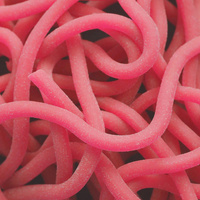
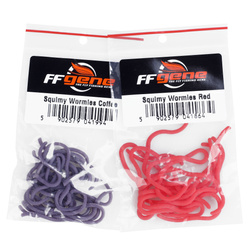




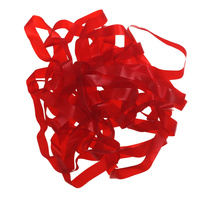
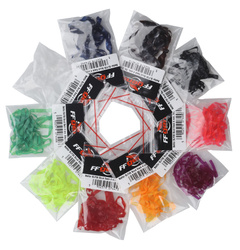


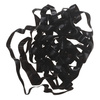
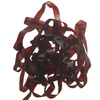
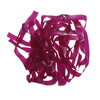
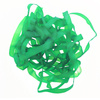

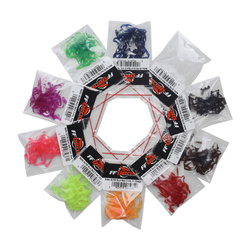
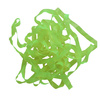

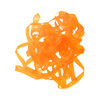


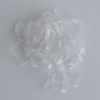


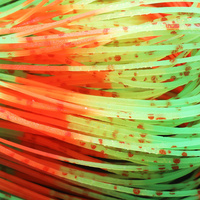
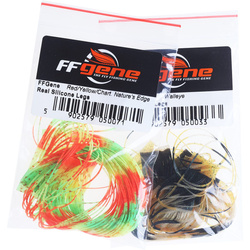


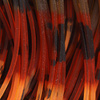







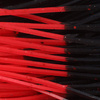

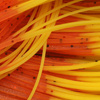

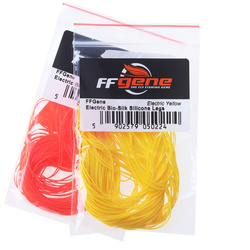



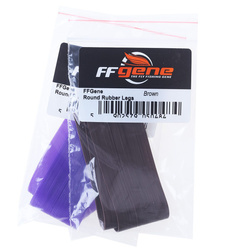

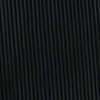




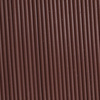
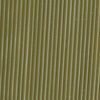


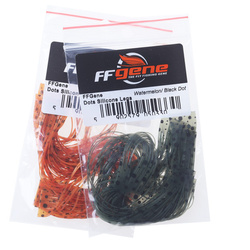




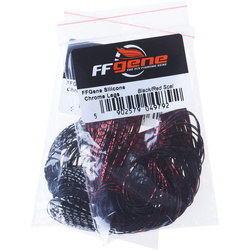


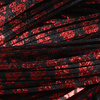
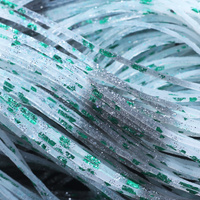


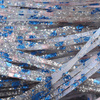
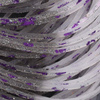
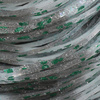

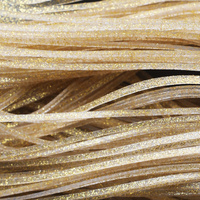
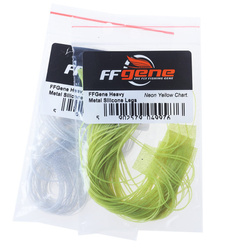
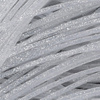




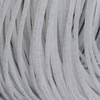
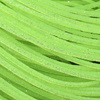

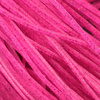
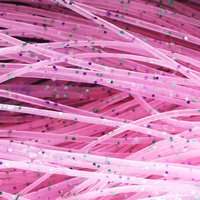
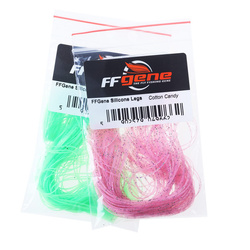
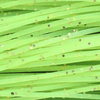

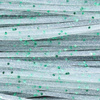


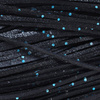

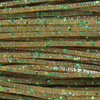


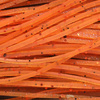
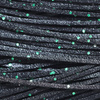


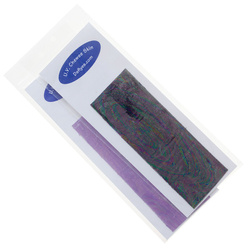



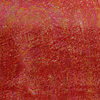


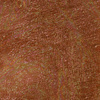

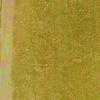
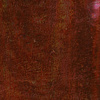








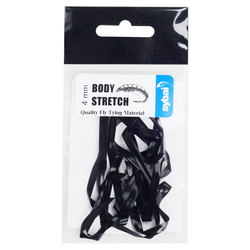




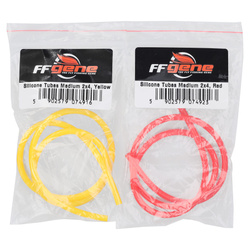


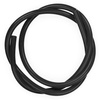


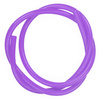

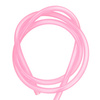


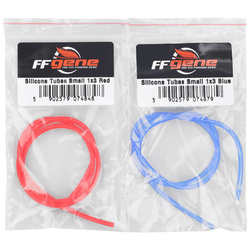
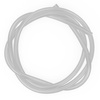
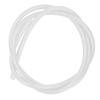

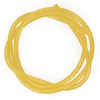




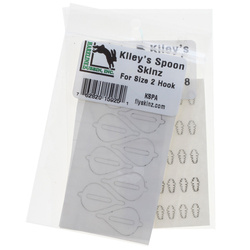

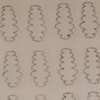
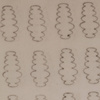


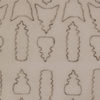










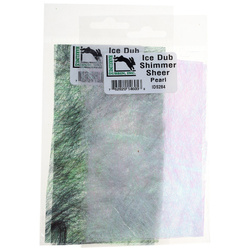


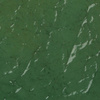
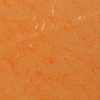


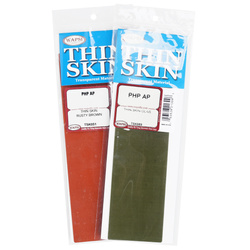


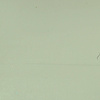


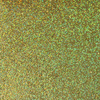






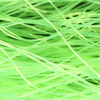


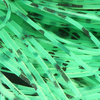


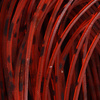


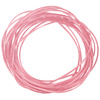


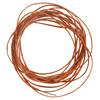

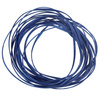





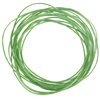


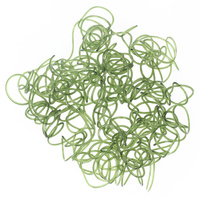
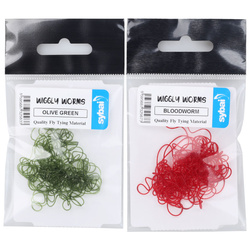

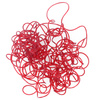


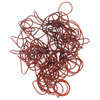


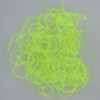


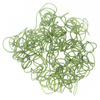

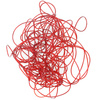
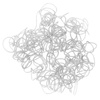





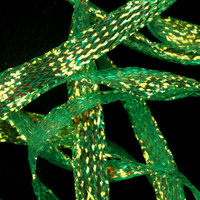








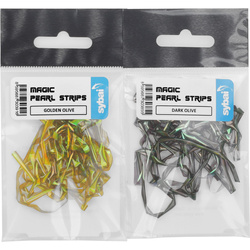


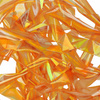




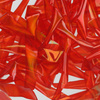








Film, strip and rubber have different roles
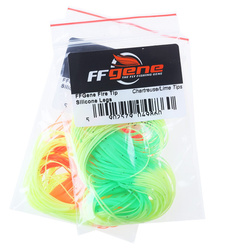
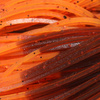
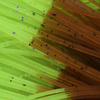
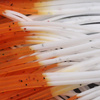
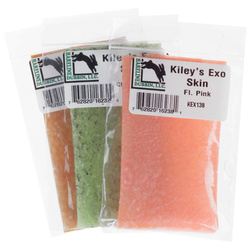
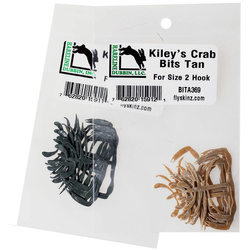
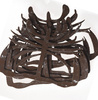
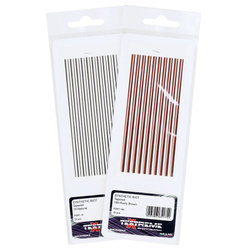
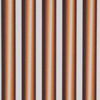
Stretch film is normally wound or laid flat to create a smooth translucent layer. Narrow elastic strips can form ribs and segmented bodies. Round, square or flat rubber and silicone strands are used chiefly for legs, feelers and moving accents. Similar elasticity does not make them interchangeable.
What tension changes
Pulling elastic film makes it narrower and thinner; releasing tension allows it to widen and thicken. This makes one material capable of building a taper, but only when tension changes gradually. Excessive stretch weakens the material, reduces colour density and can cause it to retract from the tie-in point after being cut.
Translucent bodies and backs
A transparent or semi-transparent film allows thread, tinsel, dubbing or marker colour beneath it to influence the finished body. Build a smooth underbody because every ridge can remain visible. For a nymph back or wing case, secure the strip flat, stretch it only enough to control width and coat it only if the pattern requires added protection.
Ribs and segmentation
Narrow stretch material wound over dubbing creates a raised flexible rib. Keep spacing even and do not pull so firmly that the rib cuts deeply into the body. A contrasting underbody produces clear segments without adding another opaque layer.
Rubber and silicone legs
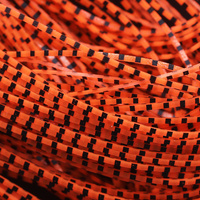
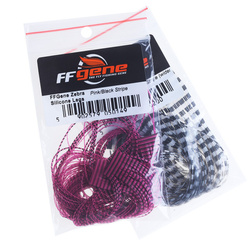
Leg material moves with current and retrieve. Round strands give a clean flexible line; flat or barred strips show a broader visual signal. Tie them in with enough grip to prevent withdrawal but avoid thread pressure that cuts the strand. Equal length is useful in symmetrical patterns, while varied length can create a more irregular silhouette.
Cutting and tying off
Use sharp scissors and leave a short controlled tag until final turns are secure. Some highly elastic materials pull out when cut flush too early. A small amount of compatible adhesive can reinforce the tie-in, but solvent or excessive resin may damage or stiffen the material.
Storage
Keep elastic materials away from heat, direct sunlight, oils and incompatible soft plastics. Store colours separately if migration is possible. Old rubber can become brittle or tacky even when it has not been used; test a strand by stretching it before tying.
Frequently asked questions
Why does a stretch body become patchy?
Tension or overlap is inconsistent, or the underbody has uneven colour. Use adjacent turns and maintain the same stretch.
Can elastic film be used as shellback material?
Yes. It forms smooth nymph backs and wing cases, especially over a contrasting or reflective foundation.
Are silicone legs the same as rubber legs?
Both provide flexible movement, but feel, rebound, durability and chemical compatibility can differ. Follow the exact product description.