
Fly-Tying Eyes for Streamers and Nymphs
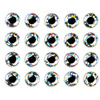
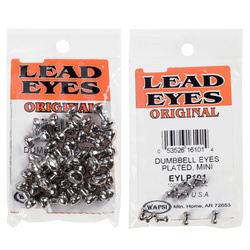
( number of products: 26 )Fly eyes divide into two main families. Adhesive 3D, holographic, prismatic, soft and epoxy eyes build appearance. Dumbbell, bead-chain, lead or tungsten eyes also change mass, balance and the way a fly fishes.
Choose the function first: a visual eye, a light transverse profile or deliberate front weight. Then match diameter, colour, material and attachment method to the pattern.
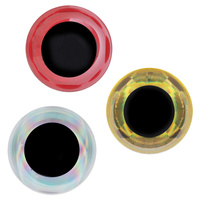
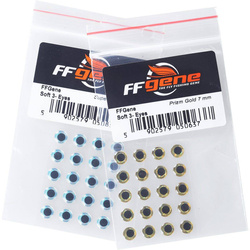
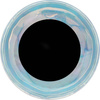

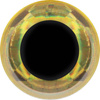
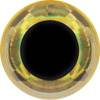


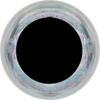


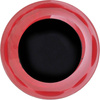
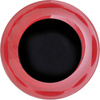




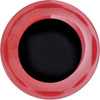


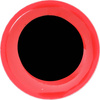

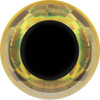
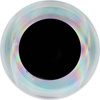
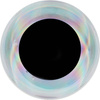


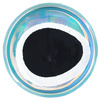


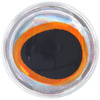

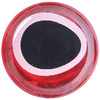


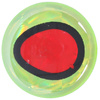


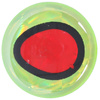
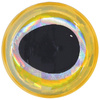


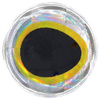

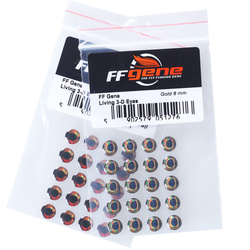


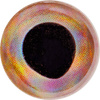
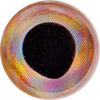


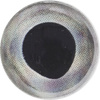







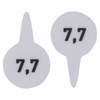
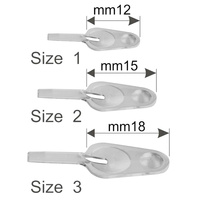


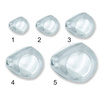


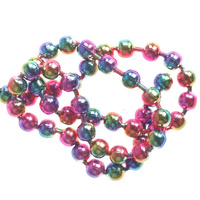
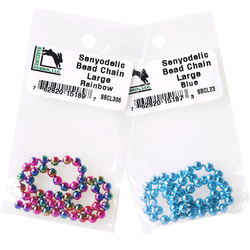


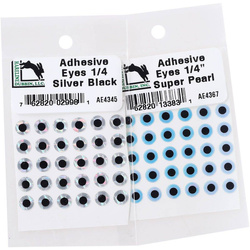
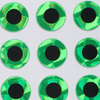


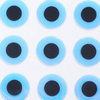


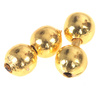
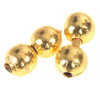

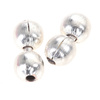
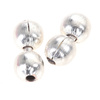
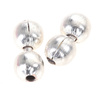
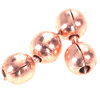

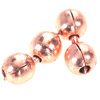
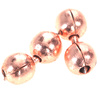


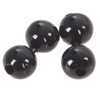

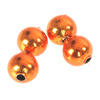
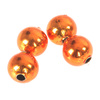


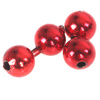

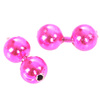


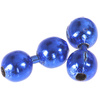


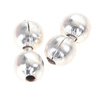


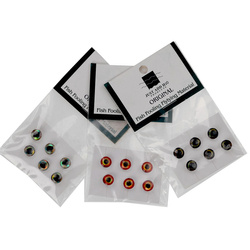


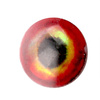

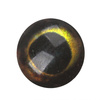
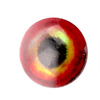

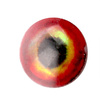

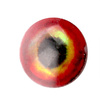
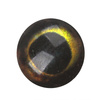


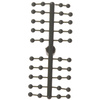
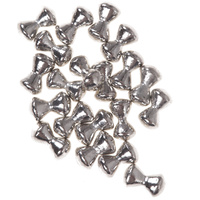



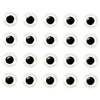


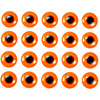
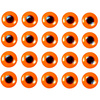


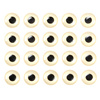


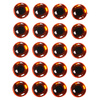
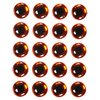
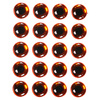

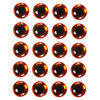


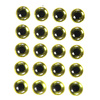


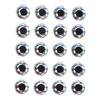
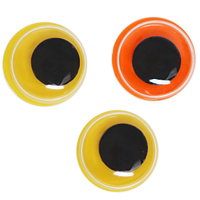


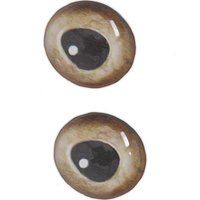

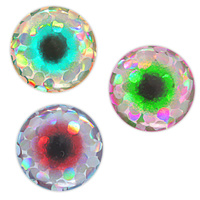


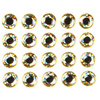


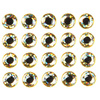
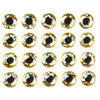

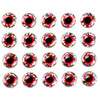


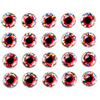


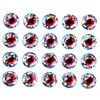
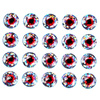






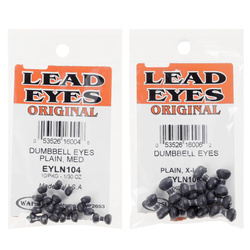
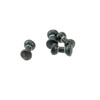
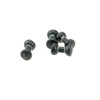
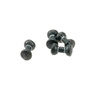


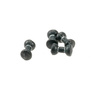


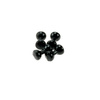


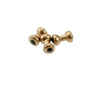
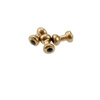

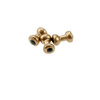
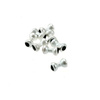


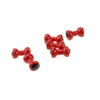


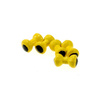


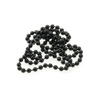


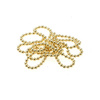












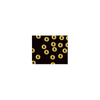



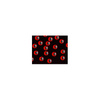


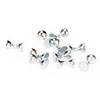

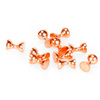


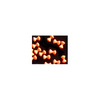











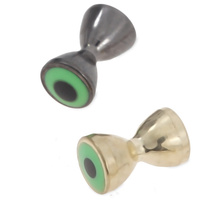



Visual and weighted eyes are not interchangeable
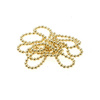
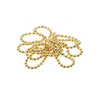
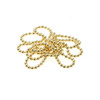
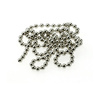
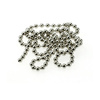
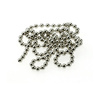
A thin 3D eye adds almost no useful mass and needs a prepared surface. A dumbbell eye forms a rigid crosspiece tied to the hook and can invert or stabilise a pattern when the rest of the construction supports it. Bead chain creates a lighter segmented crosspiece. Select by the required attitude and descent, not simply by visual similarity.
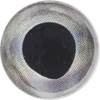
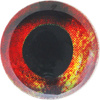
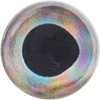
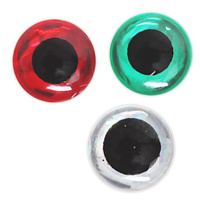
3D, epoxy, holographic and prismatic eyes
These eyes provide an iris and pupil with reflection or depth. They are commonly applied to a flat head, fish-head component, foam or a cured resin base. Diameter should suit the profile: an eye that overlaps an edge is easier to lift, while an undersized eye may disappear beneath a protective coat.
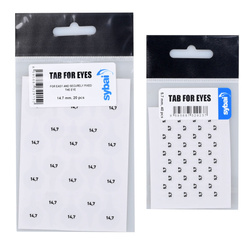
Self-adhesive backing positions the eye; it may not be the final structural bond. Many patterns protect the eye with compatible UV resin or epoxy. Test the coating because excessive solvent, heat or uncured resin can affect print and dome material.
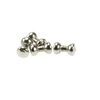
Dumbbell, lead and tungsten eyes
Metal dumbbells add transverse weight. Tungsten provides high mass in a compact size; brass or other alloys provide moderate alternatives. Lead products require careful handling and may be restricted by local rules. Wash hands after use and keep residues away from food and children.
A heavy eye often encourages hook-point-up presentation when tied on the appropriate side of the shank, but hook shape, body buoyancy and current can alter the result. Test the completed fly.
Bead-chain and monofilament eyes
Bead-chain eyes add a small amount of weight and a recognisable paired profile. Cut chain with an appropriate tool and remove sharp edges. Monofilament eyes are primarily visual and can be made or supplied with coloured ends; secure them with controlled thread wraps without collapsing the stem.
Special components
Some eye products are integrated into formed fish heads, masks or crustacean bodies. Others use stems intended to be tied into the body. Follow their mounting design rather than treating every eye as a flat adhesive part.
Choosing eye size
Relate diameter to hook gape, head width and the natural or impressionistic profile. Large eyes can act as a trigger and broaden the head, but they may also obstruct the gape, add casting resistance or change balance. Build one prototype and view it wet before preparing a series.
Attaching adhesive eyes
- Create a clean, smooth and compatible base.
- Position both eyes symmetrically without touching the adhesive surface.
- Press according to the product instructions.
- Add a compatible protective coat where the construction requires it.
- Cure fully and inspect the edges before fishing.
Attaching dumbbell and bead-chain eyes
Use firm figure-eight and locking thread wraps on a stable thread base. Add adhesive only where compatible. Check alignment from above and from the front. The eye must not rotate around the shank or close the hook gape.
Colour: imitation or contrast?
Natural silver, gold, pearl and subdued eyes support a baitfish profile. Fluorescent pupils and contrasting rings form a target point. Reflection changes with viewing angle, so catalogue colour is only part of the appearance in water.
Quick selection map
- Visual eye with little mass: adhesive, epoxy, holographic or monofilament.
- Light crosspiece: bead chain or a light dumbbell construction.
- Pronounced front weight: metal or tungsten dumbbell eyes.
- Integrated outline: formed fish, shrimp or crustacean head.
Frequently asked questions
Must self-adhesive eyes be covered with resin?
Not always, but a compatible coating often improves edge security on flies exposed to repeated impact. Follow the product and pattern requirements.
Will heavy eyes always invert the hook?
No. They strongly influence balance, but hook geometry and all other materials determine the final attitude.
Are larger eyes always more visible to fish?
They create a larger visual point, but visibility and response depend on light, water and the complete pattern. Larger is not automatically better.