
Streamer flies for trout and other predators
( number of products: 44 )Streamers suggest baitfish, leeches and other mobile prey through profile, movement and contrast. This category brings together Woolly Buggers, minnow patterns, Muddlers and Zonkers. Choose the fly together with a line and leader that place it at the intended depth and allow its materials to work.
- 1
- 2


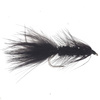
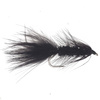
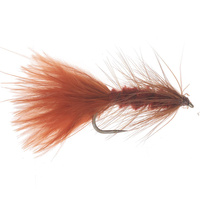
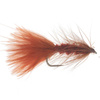
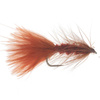
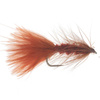

Beads Chain Eyes Zonker Natural Head Silver Yellow
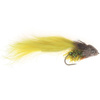
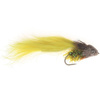


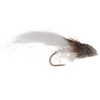
Beads Chain Eyes Zonker Natural Head Silver White


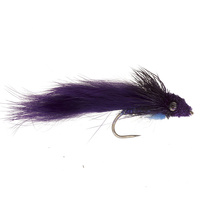
Beads Chain Eyes Zonker Purple Head Silver

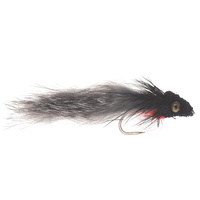
Beads Chain Eyes Zonker Black Head Silver


Beads Chain Eyes Zonker Natural Head Silver

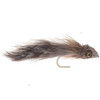
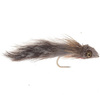

Beads Chain Eyes Zonker Natural Head Red
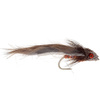
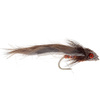
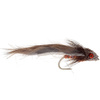

Beads Chain Eyes Zonker Orange Black


Cone Head Flash Body Buggers Yellow


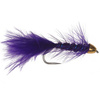
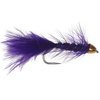
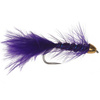
Cone Head Flash Body Buggers Purple

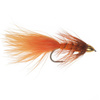
Cone Head Flash Body Buggers Orange

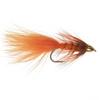

Cone Head Flash Body Buggers Black
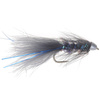

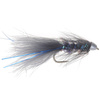

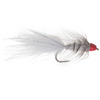
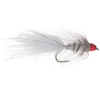
Cone Head Buggers White Red
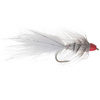

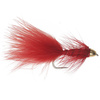
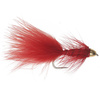
Cone Head Buggers Red Gold


Cone Head Buggers Black Gold
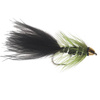
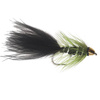


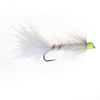
Cone Head Buggers White Chartreuse


 + 2Opcji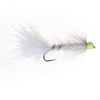

BH Buggers White Silver
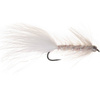
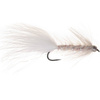
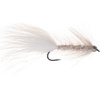
 + 2Opcji

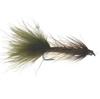
BH Buggers Olive Black
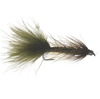

 + 2Opcji

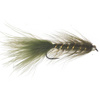
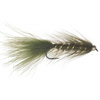
BH Buggers Olive Silver

 + 2Opcji

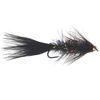
BH Buggers Black Gold


 + 2Opcji

BH Buggers Black Orange


 + 2Opcji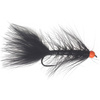

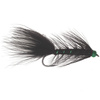
BH Buggers Black Green
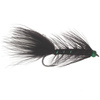
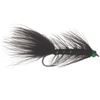
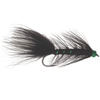
 + 2Opcji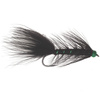

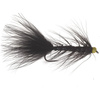
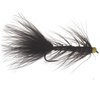
BH Buggers Black Yellow


 + 2Opcji
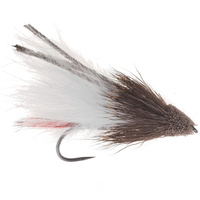
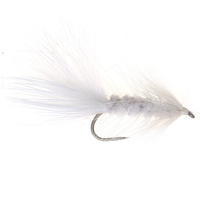
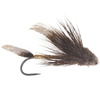
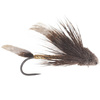
Marabou wings Muddler White
 + 2Opcji
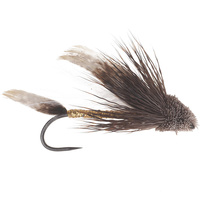
Muddler Natural
 + 3Opcji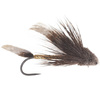
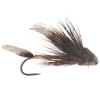
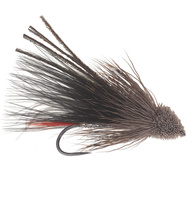
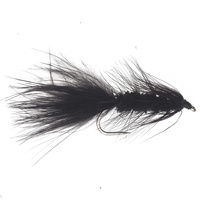
Marabou Wings Muddler Black

 + 2Opcji

Mylar Body Zonker Purple
 + 2Opcji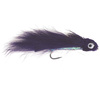

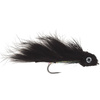
Mylar Body Zonker Black


 + 2Opcji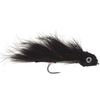

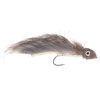
Mylar Body Zonker Natural


 + 2Opcji
Wool Head Zonker Olive

 + 2Opcji
Wool Head Zonker Lt. Tan
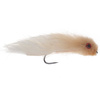
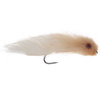
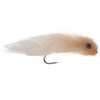
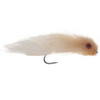 + 2Opcji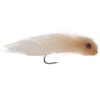

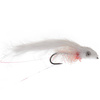
Dear Head Zonker White


 + 2Opcji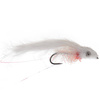

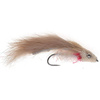
Dear Head Zonker Tan
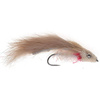

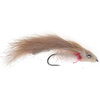 + 2Opcji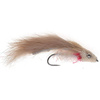

Dear Head Zonker Rusty

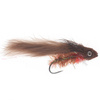
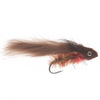
 + 2Opcji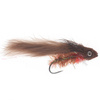
- 1
- 2
What makes a streamer effective?
A streamer is defined less by a single insect or life stage than by the impression of active prey. Its length, depth, direction, acceleration and pause create that impression. Materials such as marabou and rabbit fur continue to move at low speed; shaped hair and synthetics maintain a broader outline; flash can suggest scales or provide a visible trigger.
Main streamer families
- Woolly Buggers combine a mobile tail, body and palmered hackle in a versatile searching profile. Beads and cone heads alter depth and action.
- Minnow patterns present a recognisable baitfish form. Some are slim and bright; others use bulk or a darker back to create contrast.
- Muddlers use a shaped hair head or collar that pushes water and can be fished at several levels according to their weight and treatment.
- Zonkers use a strip of mobile fur to create a continuous, breathing body or wing. Head and eye styles determine how individual versions descend and track.
Retrieve, swing or drift
Across a river, a streamer can be swung under tension, stripped through pools, dead-drifted before the swing or animated with short pulses. In lakes, vary count-down, retrieve length and pause. A follow without a take may call for a change in speed or direction rather than a completely different colour.
Depth and tackle
Line density, leader length and fly weight combine to determine depth. A heavy fly on a floating line does not behave like the same pattern on an intermediate or sinking line. Use a leader capable of turning over the fly and controlling the expected fish. For toothy predators, choose a suitable bite-resistant trace rather than relying on ordinary nylon or fluorocarbon alone.
Colour and water conditions
Natural baitfish shades provide a clear starting point in transparent water. Dark flies form a strong silhouette in low light, while white, chartreuse, orange and reflective details can improve visibility or provoke interest. Treat these as variables to test after establishing depth and retrieve.
Inspect mobile wings and tails regularly. Fur, marabou and long flash can wrap around the hook after a poor cast or missed take, changing the fly from a swimming profile into a compact bundle.