
Bucktail, Fox and Squirrel Tails for Fly Tying
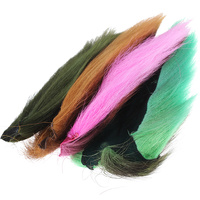
( number of products: 12 )Natural tails provide long fibres with intact tapered tips, but the character changes from base to tip and from one side to the other. Bucktail holds a clear streamer profile, fox produces a softer mobile wing, squirrel gives fine barred fibres, and calf tail supplies resilient hair for traditional wings and tails.
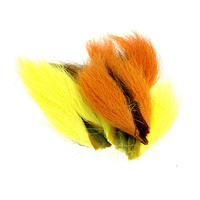


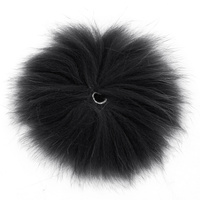


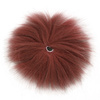

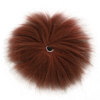
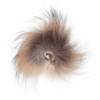

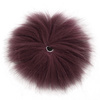
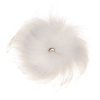
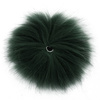


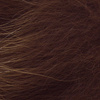
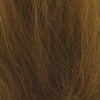

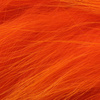


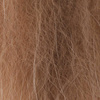

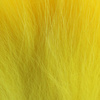

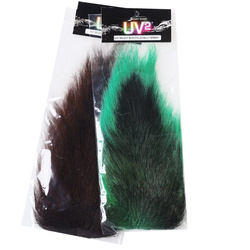


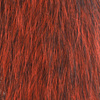

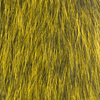

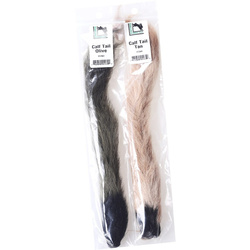
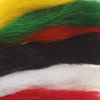
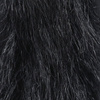

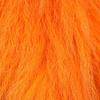
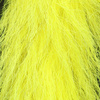
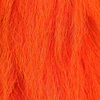
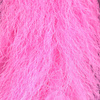
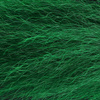
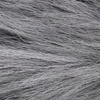
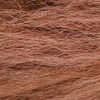
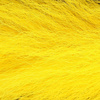

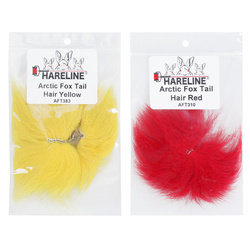





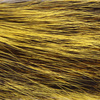
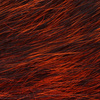
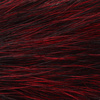


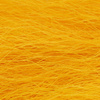
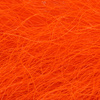
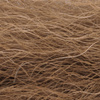

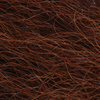

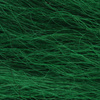
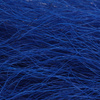

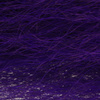


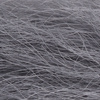
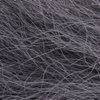
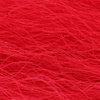
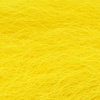

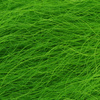
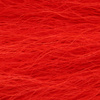


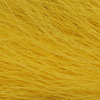
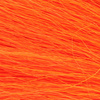


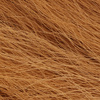

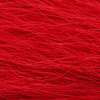

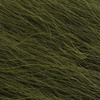
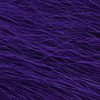
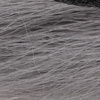
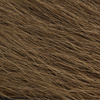
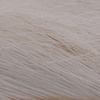
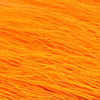
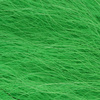

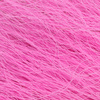


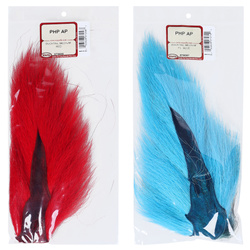


Bucktail: profile without excessive bulk
Bucktail is widely used in streamers because its long tapered fibres retain a recognisable outline without forming a solid wall in the water. Hair near the base is commonly shorter and may flare more; fibres farther along the tail can be longer and straighter. Open the tail and select the area before cutting rather than taking the first visible bundle.
Bucktail is useful as a complete wing, an underwing supporting softer hair, a colour layer or a sparse tail. It is not an automatic floatant. Its principal advantages are length, taper, resilience and control of profile.
Fox: soft movement at low speed
Arctic and polar fox tails contain soft underfur and longer guard hairs. Properly prepared, they create mobile tapered wings for trout, sea-trout, salmon and predator flies. Remove enough underfur to keep the head compact, but retain it when the pattern needs a fuller base. A firmer underwing can limit fouling on long soft patterns.
Squirrel: fine, barred and clearly defined
Squirrel-tail hair is relatively fine and naturally marked. It is used for smaller streamer wings, wet flies and traditional salmon patterns where a crisp fibre structure is wanted. Perfect stacking is not always desirable; slight variation in tip length can make the edge lighter and more natural.
Calf tail and kiptail
Calf tail provides short, resilient and often crimped fibres for wings, posts and tails. Kiptail is an established trade name for prepared calf-tail material, not a separate animal. Because the fibres are crimped, small cleaned bundles stack more successfully than thick bunches.
How to prepare tail hair
- Part the fibres and locate an area with the required length and stiffness.
- Cut a small bundle close to the skin.
- Hold the tips and comb out short underfur and broken fibres.
- Stack only if the pattern needs an even edge.
- Set the bundle with a controlled first turn, then increase thread tension.
Building a layered streamer wing
Two or three thin bundles are easier to secure than one heavy bunch. A shorter, firmer lower layer can support the wing, a middle layer sets length, and a soft outer layer adds movement. Preserve the natural tapered tips; cutting the finished wing square removes one of the material's most useful properties.
Common errors
- leaving too much underfur and creating a bulky tie-in point;
- pulling the first thread turn so hard that the bundle rolls around the shank;
- using soft fox without support when it repeatedly fouls the hook;
- assuming every area of the same tail has identical length and stiffness;
- trimming natural tips to correct a bundle that should have been selected more carefully.
For larger patches and other types of hair, see fur and hair on the skin. For fur that remains on a narrow strip of skin, use zonker strips.