
Fly-Fishing Tippet — Nylon, Fluorocarbon and X Sizes
( number of products: 13 )Tippet is the level, terminal section that connects the leader to the fly. Choose it by actual diameter, fly size, fishing method and required breaking strain. The X rating describes diameter: 3X is about 0.20 mm, 5X about 0.15 mm and 7X about 0.10–0.11 mm.
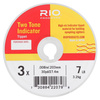
The range includes nylon and fluorocarbon tippet, two-tone sighter material for Euro nymphing and bite-resistant leader material for predators. See the parent guide for the complete 0X–8X diameter chart and full rig layout.



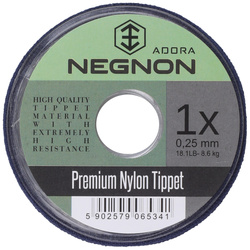

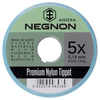
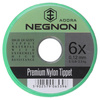

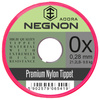

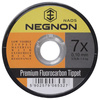
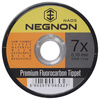
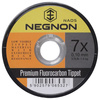
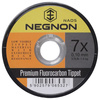
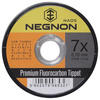
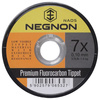
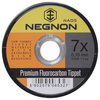
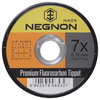

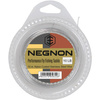


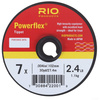
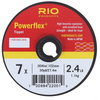
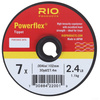
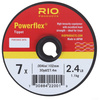
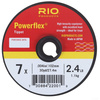
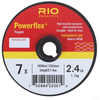


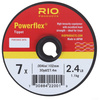


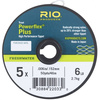
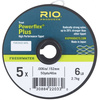
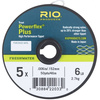
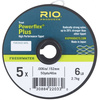

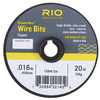


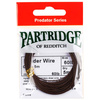
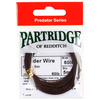
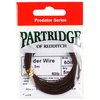
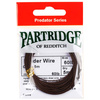

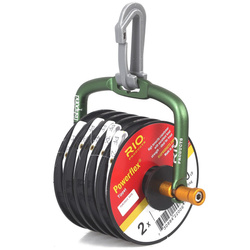

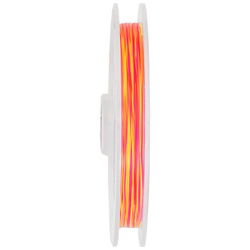

Tippet material and a ready-made leader are not the same
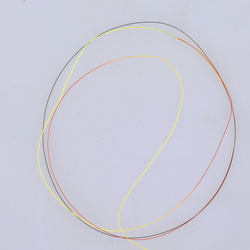
Tippet from a spool has the same diameter along its length. Use it to renew a tapered leader, build a knotted leader from several sections, tie droppers or construct a nymphing leader. A long piece of fine, level monofilament does not by itself reproduce the taper that transfers energy from the fly line to the fly.
Every fly change shortens the end of a ready-made leader. Adding tippet protects its taper and lets you replace the section exposed most often to knots, teeth, rocks and vegetation.
Which comes first: X size, millimetres or breaking strain?
The most direct comparison is the actual diameter in millimetres. X sizes are a convenient shorthand for fine trout tippet, but metric values can be rounded differently. Breaking strain depends on the material and manufacturing process, so it cannot be inferred from X alone.
A finer tippet gives a small fly greater freedom but has less reserve strength and is more easily damaged. A heavier tippet turns over a larger fly and can shorten the fight, yet may be too stiff for a tiny dry. A useful principle is to choose the thickest diameter that still gives the presentation you need.
When is nylon a good choice?
Nylon tippet is available in supple and relatively stiff formulations. Its elasticity can cushion sudden loads, and it works with familiar knots. It is commonly chosen for dry flies because it does not cut through the surface film as readily as denser fluorocarbon.
Not every nylon behaves alike. A supple material gives the fly freedom but may struggle to turn over a bulky pattern. A stiffer material transfers more energy and can stabilise larger flies. Read the specification of the individual range rather than relying only on the word nylon.
When does fluorocarbon help?
Fluorocarbon is denser than nylon and tends to enter the water more readily. It is therefore widely used for nymphs, wet flies and streamers. Many fluorocarbon tippets also resist abrasion well, although performance varies by formula and diameter.
Fluorocarbon is not invisible and cannot replace correct diameter selection. It may be stiffer than nylon, so a supple nylon can present very small dries more naturally. Moisten knots before seating them and inspect the material afterwards for whitening, flattening or heat damage.
Sighter material for Euro nymphing
A bright or two-tone monofilament section placed above the terminal tippet acts as a sighter. Colour changes help reveal tension, drift speed, hesitation and movement. Unlike a buoyant strike indicator, it does not need to suspend the flies at the surface; its job is to make leader behaviour visible.
Use only as much visible material as you can control without introducing slack. Tie the actual tippet below it, often through a micro ring. A pause may indicate a take, but it may also show contact with the bottom or a change in current.
Tippet for dries, nymphs and streamers
- Dry flies: begin with nylon in a diameter that suits the hook and fly. Go finer only if the heavier material restricts presentation.
- Conventional nymphing: balance diameter against fly weight, current and target depth. Fine tippet sinks with less drag but offers less strength.
- Euro nymphing: keep the coloured sighter separate from the terminal tippet; a micro ring simplifies length and diameter changes.
- Streamers: use enough diameter and stiffness to turn over the fly and handle an assertive strike. Add a proper bite trace for toothy predators.
Knots, inspection and replacement
Every knot reduces the strength of the finished system. Gravel, rocks, vegetation and fish teeth can damage tippet without breaking it. After a snag or fish, run the material gently between your fingers and look for roughness, flattening or cloudy areas. Cut away any damaged section.
Store spools away from prolonged heat and sunlight. Age alone does not tell the whole story, but material with an unknown history or signs of brittleness should not remain the weakest part of the rig.
Frequently asked questions
Can nylon leader be joined to fluorocarbon tippet?
Yes. This is common in subsurface fishing. Match the diameters sensibly and use a knot that seats securely between materials of different stiffness.
Does finer tippet always catch more fish?
No. It can free the movement of a small fly or reduce resistance as a nymph sinks, but going too fine impairs turnover, increases tangles and can prolong the fight. Change diameter to solve a specific presentation problem.