
Trousers and Bibs for Wearing Under Waders
( number of products: 5 )Trousers worn under waders provide insulation and move moisture within the wading clothing system. Waders stop external water and wind but do not always supply enough warmth for the temperature of the river. The right layer reduces heat loss, permits movement and carries perspiration away from the skin.
Choose thickness for water temperature, time immersed and activity. A lighter layer suits active walking and milder conditions; thicker fleece is more appropriate for prolonged standing in cold water. Try trousers or bibs together with the waders, because bunching and compression can reduce comfort more than a small difference in fabric weight.
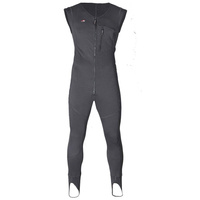
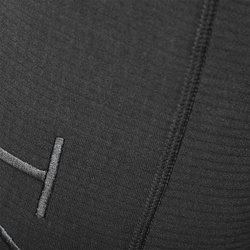



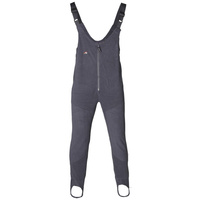
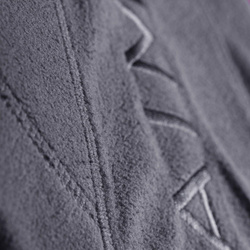
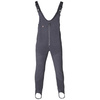
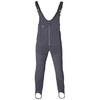
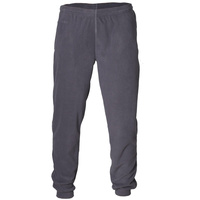
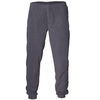
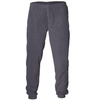
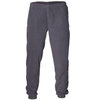
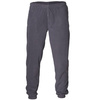

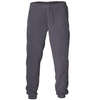


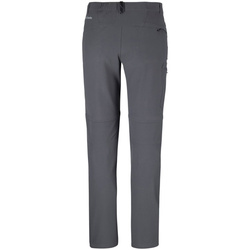



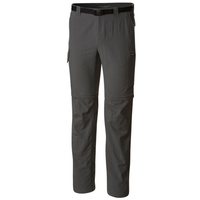
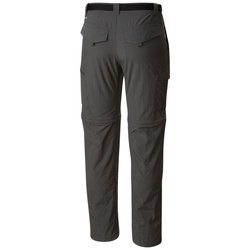
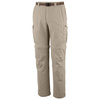

How do under-wader trousers work?
The layer traps air for insulation and transfers moisture towards the wader laminate. It does not heat the body and cannot make the inside completely dry. Breathable waders transfer only part of the water vapour produced, and their neoprene stockingfeet transfer very little. The clothing system should therefore manage inevitable moisture without holding a cold, wet layer against the skin.
Choosing insulation
| Conditions | Starting layer | Watch for |
|---|---|---|
| Warm water and active walking | Light base layer or thin technical trousers | Excess insulation and perspiration |
| Cool water and mixed activity | Base layer with a light or medium mid-layer | Bulk at knees and stockingfeet |
| Cold water or prolonged standing | Full base layer and thicker purpose-designed insulation | Compression restricting circulation |
These are starting points, not temperature ratings. Metabolism, wind, water depth, movement and the wader cut change the result. Carrying a dry spare layer is often more useful than forcing excessive insulation into a tight garment.
Trousers or bibs?
Conventional trousers are simple and easy to combine with several upper-body layers. Bibs extend insulation over the lower torso and reduce a waistband ridge beneath chest waders. Their braces and upper section must lie flat and should not conflict with the wader braces.
Pockets, thick belt loops and heavy zips can create pressure points under the shell. Purpose-designed under-wader clothing normally uses a smooth waist, articulated knees and low-bulk hems.
Fit matters as much as fabric
There must be enough room to bend the knees and hips without stretching the wader seams. At the same time, loose trouser legs can gather behind the knee or form ridges inside the neoprene stockingfoot. Test the complete system with a deep squat, kneeling and a high step.
The lower leg should finish smoothly above or inside the sock according to the garment design. Do not pack several thick cuffs into the boot, where they restrict circulation and create pressure.
Building the system
- Wear a close-fitting base layer that moves moisture away from the skin.
- Add trousers or bibs providing the insulation required by the water temperature.
- Fit socks without thick folds and seat the neoprene stockingfoot smoothly.
- Put on the waders and test movement before lacing the boots.
- Adjust layers during the day rather than waiting until perspiration or cold becomes severe.
Drying and care
Dry the garment after every use even when it does not feel wet. Perspiration accumulates inside a wading system. Follow the fibre-specific wash instructions, avoid fabric conditioner on technical moisture-moving materials and use only the specified process for wool. Store layers clean, dry and uncompressed.