
Fly-Tying Chenille and Yarn
( number of products: 148 )Chenille and yarn build bodies, thoraxes, heads and textured accents, but they do so in different ways. Chenille normally has fibres carried on a central core and creates volume in a single winding. Yarn is a spun or bundled strand whose twist, loft and fibre structure determine whether it forms a smooth body, a fuzzy thorax or a dense woven section.

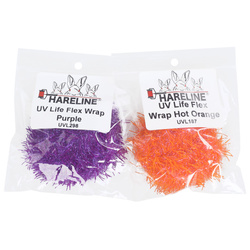
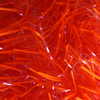


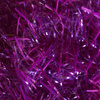

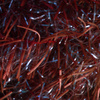


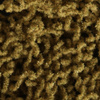
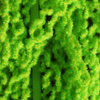

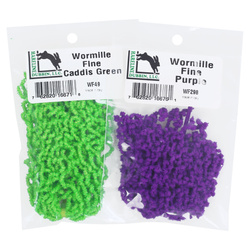
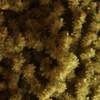
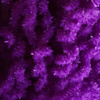
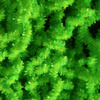
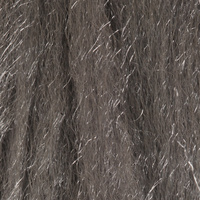
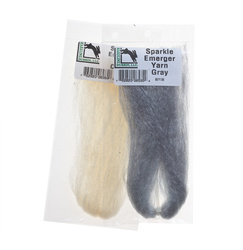

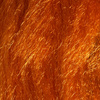

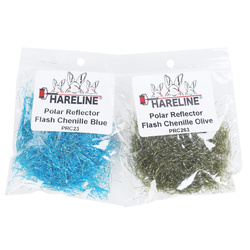
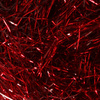
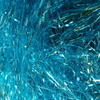


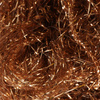
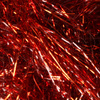
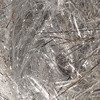

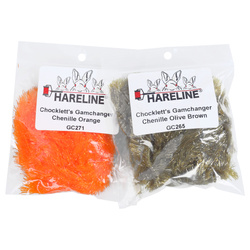
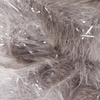
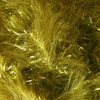
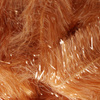

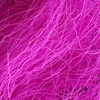
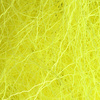
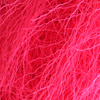

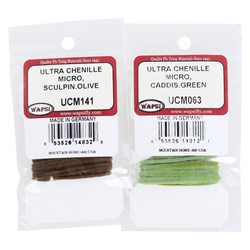


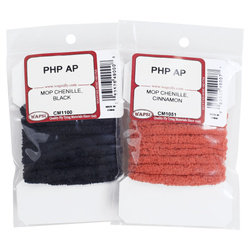
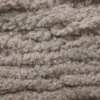
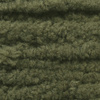
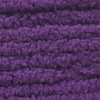
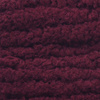

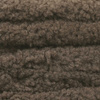
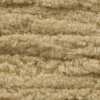


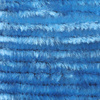
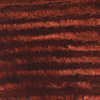
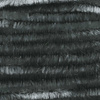
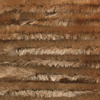
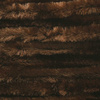
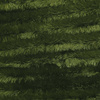
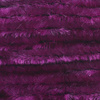
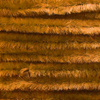

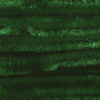
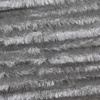
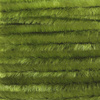
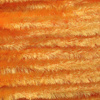
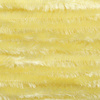
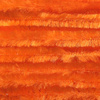
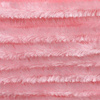

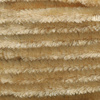
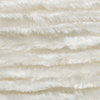
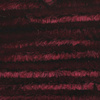
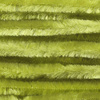

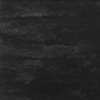
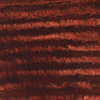
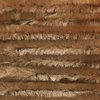
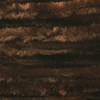
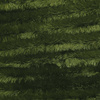
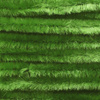
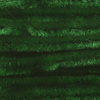
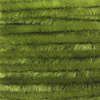
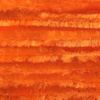
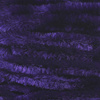
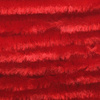
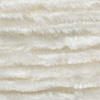
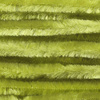
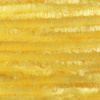

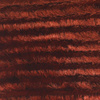
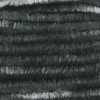
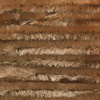
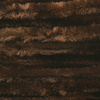

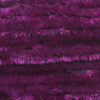
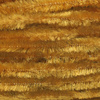
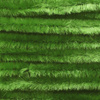
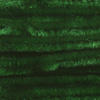
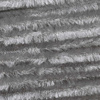
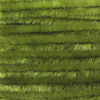
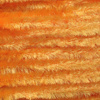
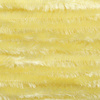
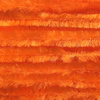

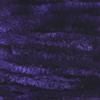
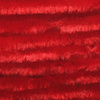
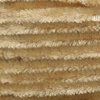
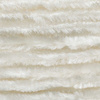
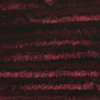
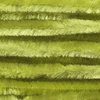



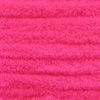
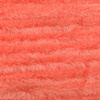
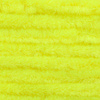

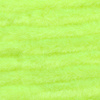
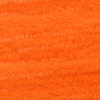
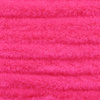
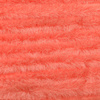

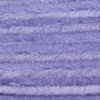
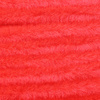
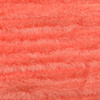
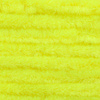


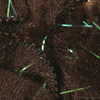
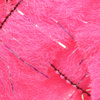
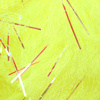
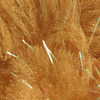
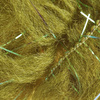
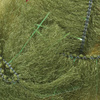
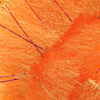
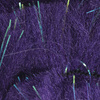
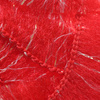
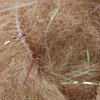
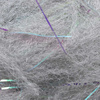
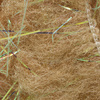


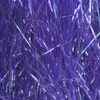
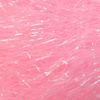
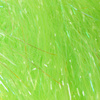
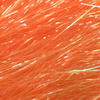
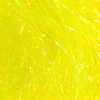
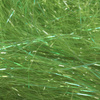
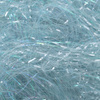
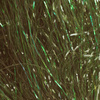
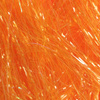
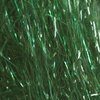

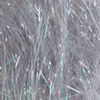
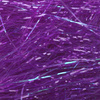
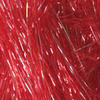
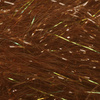
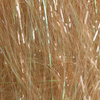
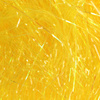

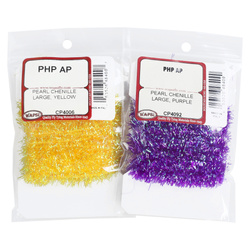
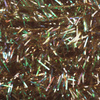
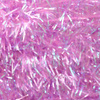


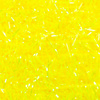
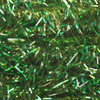
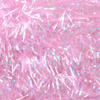
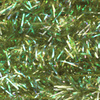
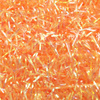
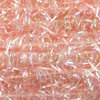
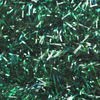
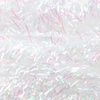
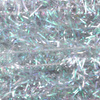
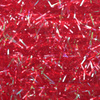
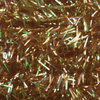
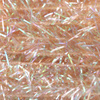
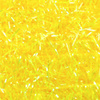


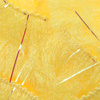
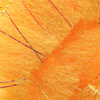
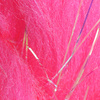
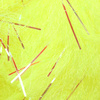
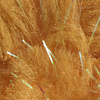
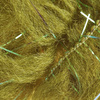
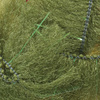
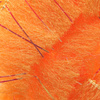
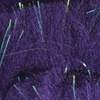
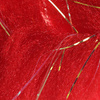
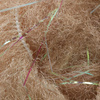
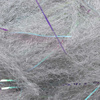
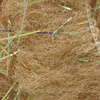


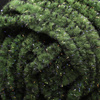
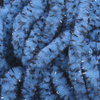
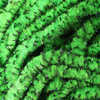
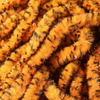
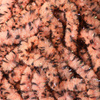

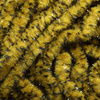
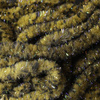


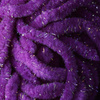

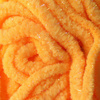
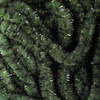
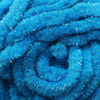


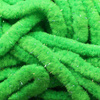
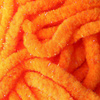


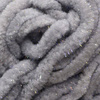
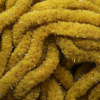
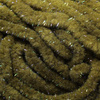
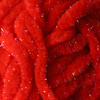
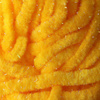
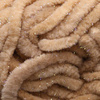


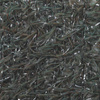
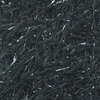

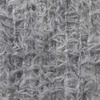
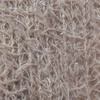
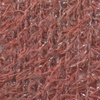
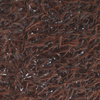
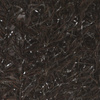
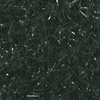
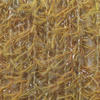
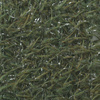
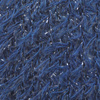

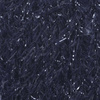
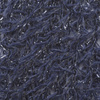
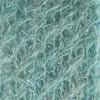
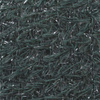


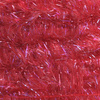
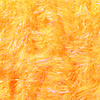
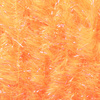
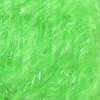


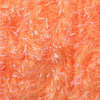

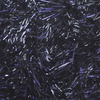


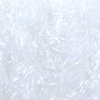
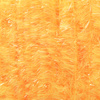
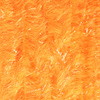
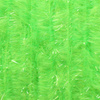
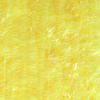

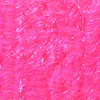
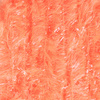
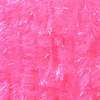
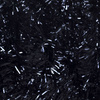

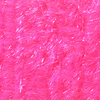
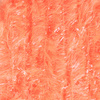
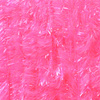


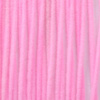
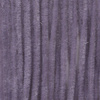
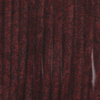
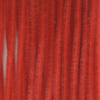
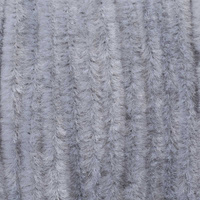
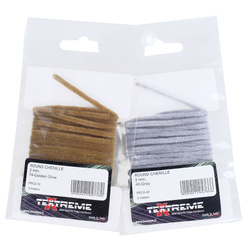


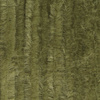
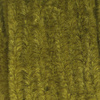
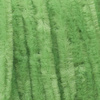

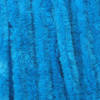




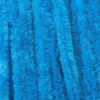
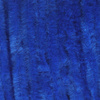
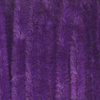
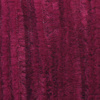
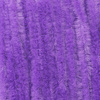
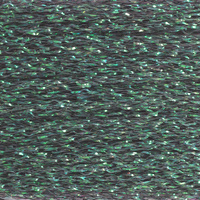

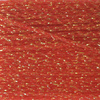

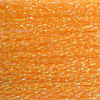
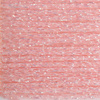
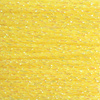
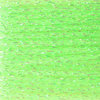

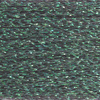
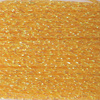
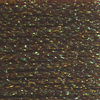
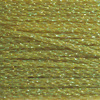
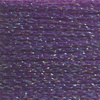
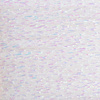
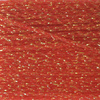
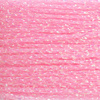

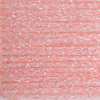

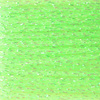
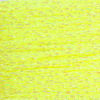
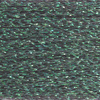
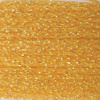
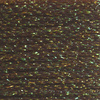
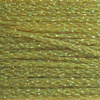
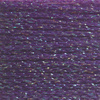


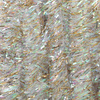



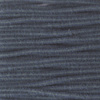
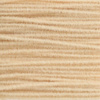
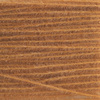
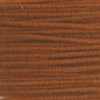
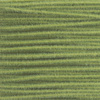
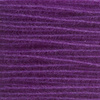
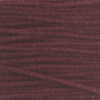


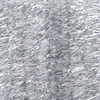
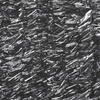
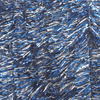
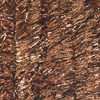
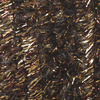
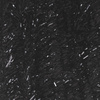
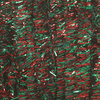


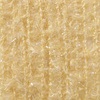
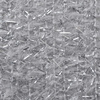
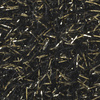
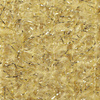
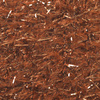


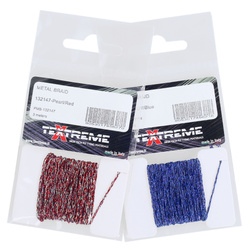
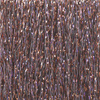
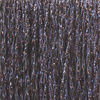

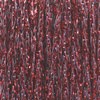
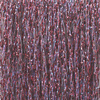
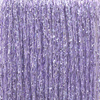
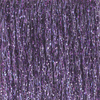
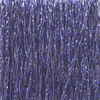
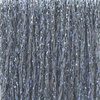
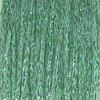
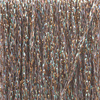
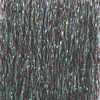
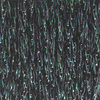
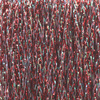
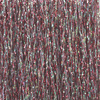
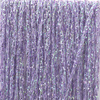
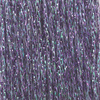
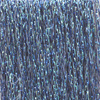
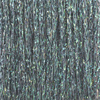
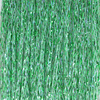
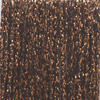
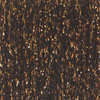
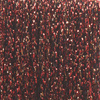
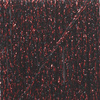
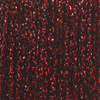
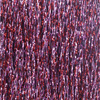
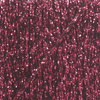
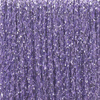
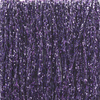
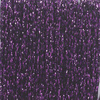
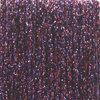
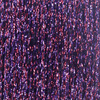
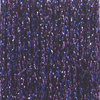
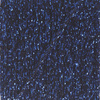
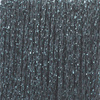
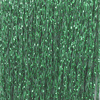
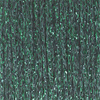


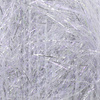
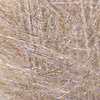


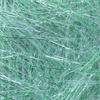

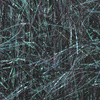
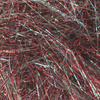

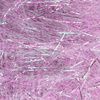
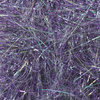
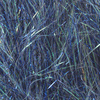
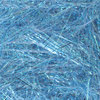
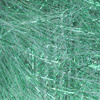


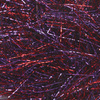

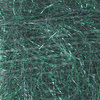


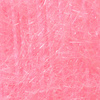
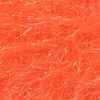
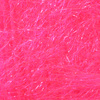
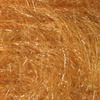
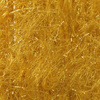
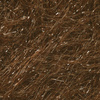
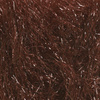
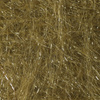
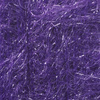

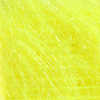
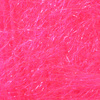
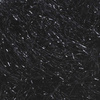
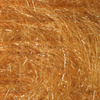
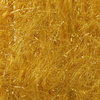
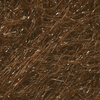
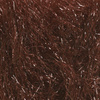
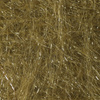
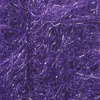


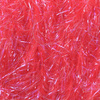

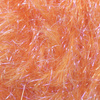
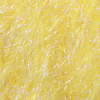
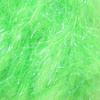
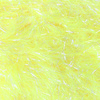
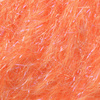
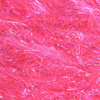
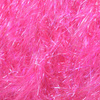
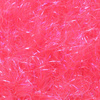


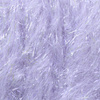
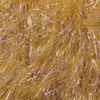
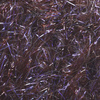
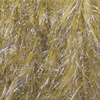
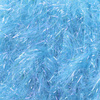
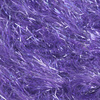
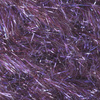


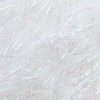
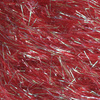
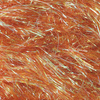
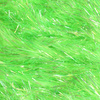
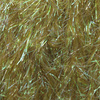



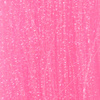
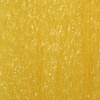
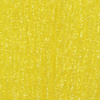
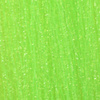


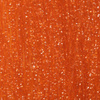
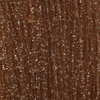

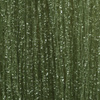
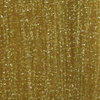


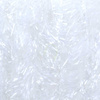
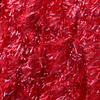
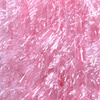
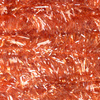
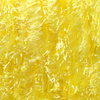
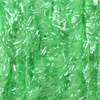
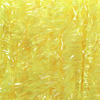

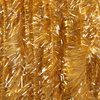
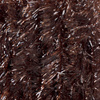

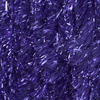

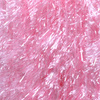
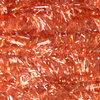
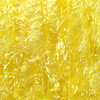
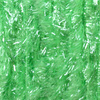
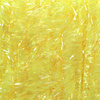
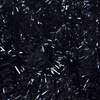
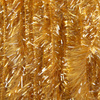
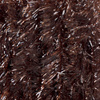
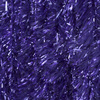
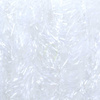
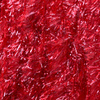
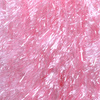
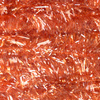
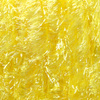
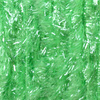
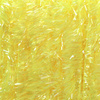

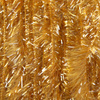
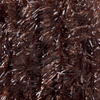
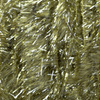
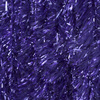


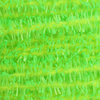
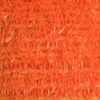
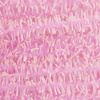
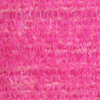


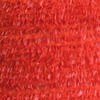

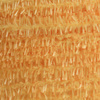
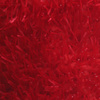
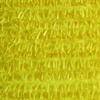
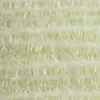
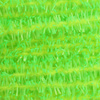
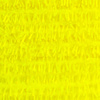
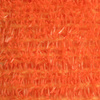
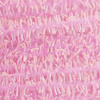
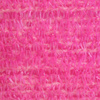
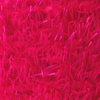

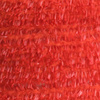
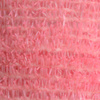
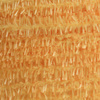
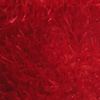
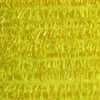


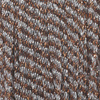
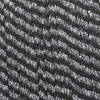
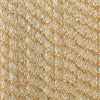
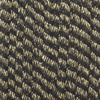
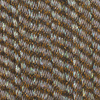
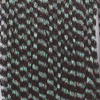
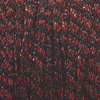
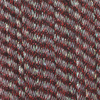
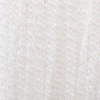
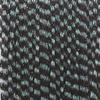
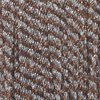
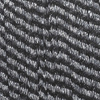
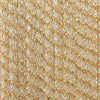
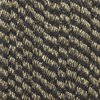
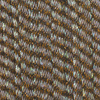
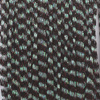
Chenille and yarn are not interchangeable names
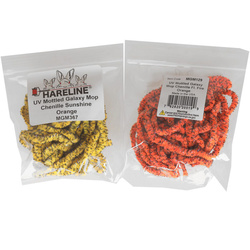
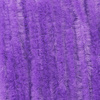
Fly-tying chenille consists of a core with a pile or projecting fibres. The core provides strength and the pile controls diameter, texture and light. Yarn is made from fibres or filaments spun, twisted or bundled into a strand. Some yarns can resemble fine chenille after winding, but their construction and handling remain different.
How to choose chenille
- Diameter: match the finished body to the hook rather than judging the loose material alone.
- Pile length: short pile gives a compact body; long fibres produce a lively or shaggy outline.
- Core: a strong, flexible core follows bends more neatly and tolerates closer winding.
- Surface: matt, translucent, pearlescent, metallic, UV-treated and barred versions change how the body reflects light.
- Density: sparse chenille can be brushed open; dense chenille covers the underbody quickly.
Common chenille constructions
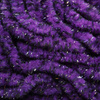
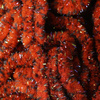
Fine and micro chenilles suit small nymphs, larvae and compact bodies. Standard and medium sizes cover many woolly buggers and general streamers. Cactus, crystal and sparkle chenilles carry reflective fibres through the pile. Polar and long-fibre chenilles create a mobile hackle-like effect, while variegated or barred materials produce colour changes without joining several separate strands.
What yarn contributes
Yarn can form smooth dry-fly bodies, segmented nymphs, woven bodies, indicators, eggs and dense streamer sections. Antron-type and other synthetic yarns add translucency and controlled sparkle. Wool and wool-like yarns absorb more water and produce a softer, more subdued surface. Polypropylene-based floating yarns are often chosen for posts or wings, but flotation still depends on the complete fly and any treatment applied.
Preparing and winding chenille
- Expose a short section of the core by removing fibres from the tie-in end.
- Secure the bare core so the first turn does not create a lump.
- Wind adjacent turns for full coverage or spaced turns when the underbody should remain visible.
- Sweep long fibres backwards before each turn to avoid trapping them.
- Strip the finishing end to its core and tie it off cleanly.
Controlling yarn bodies
Untwist yarn to divide it into thinner strands, or combine strands for more volume. A flat strand gives a smoother surface; added twist makes the body rounder and firmer. Stretching some synthetic yarns reduces their apparent diameter, so keep tension consistent along the whole body.
Choosing material by fly
- Small nymph or larva: fine chenille or a divided yarn strand.
- Woolly bugger: chenille sized to leave room for hackle and a neat head.
- Streamer: reflective, barred or long-fibre chenille selected for the required profile.
- Dry-fly post or visible wing: light yarn with the necessary stiffness and visibility.
- Woven body: yarns of consistent diameter and contrasting colour.
Common problems
A stepped body usually comes from excessive overlap or an uneven underbody. A bulky head results when chenille is tied off with its pile intact. Long fibres disappear when they are trapped under later turns. Correct these issues through preparation and controlled winding rather than cutting the finished body aggressively.