
Fishing Fleeces and Mid-Layers
( number of products: 21 )A fishing fleece can work as a mid-layer: it retains insulating air and passes moisture from the base layer towards the outer shell. It is worn beneath a fishing jacket and, during wading, beneath the upper part of chest waders. It does not replace a rain shell and does not need to be waterproof; its purpose is to match insulation to temperature, wind and activity.
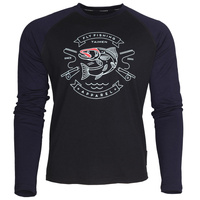
The category includes technical fleece, light and heavy insulating layers, stretch garments, hooded tops, knitted pieces and more casual clothing. Decide whether the garment must work actively beneath waders, serve as an outer layer in dry weather or provide comfort after fishing.

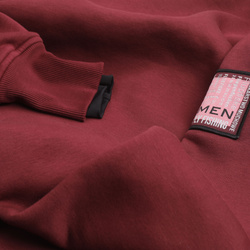


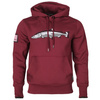
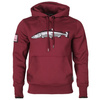
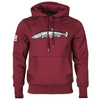
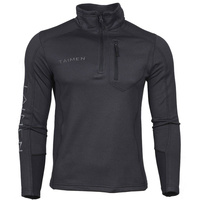

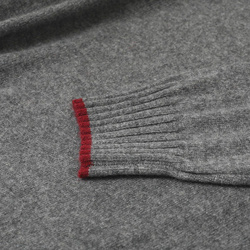



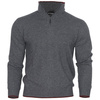





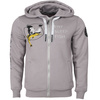
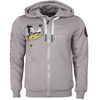
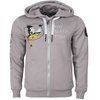

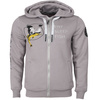


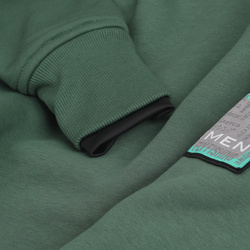

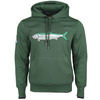
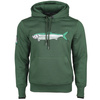


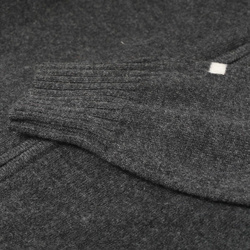
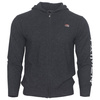
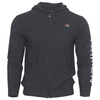

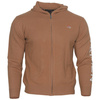
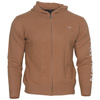
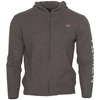
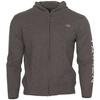









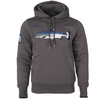


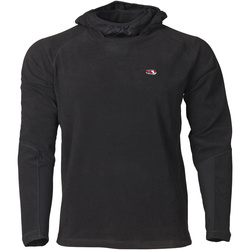
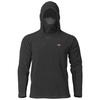
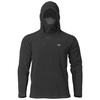
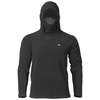


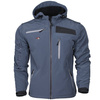



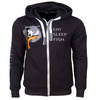
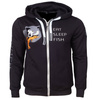
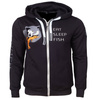


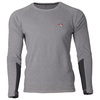
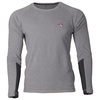
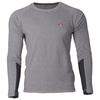
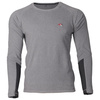
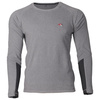
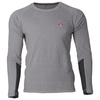
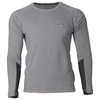

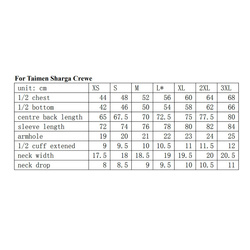

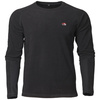
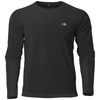

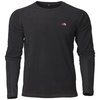
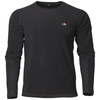
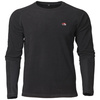

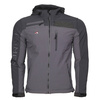

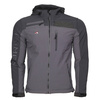
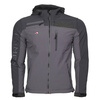
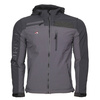
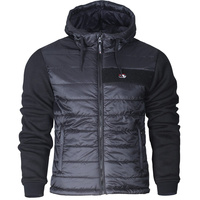
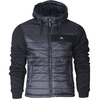


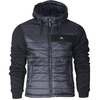
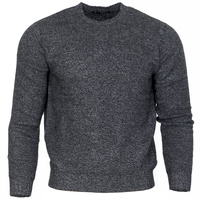
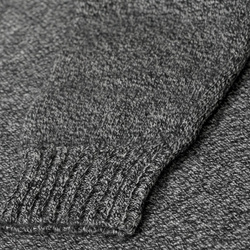
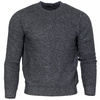

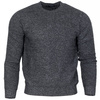
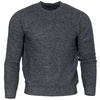
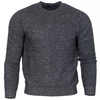

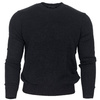


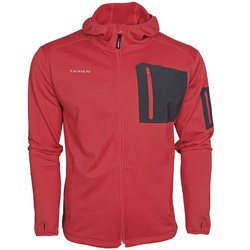
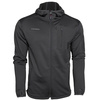


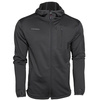
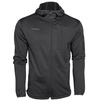
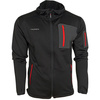
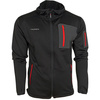

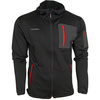
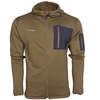
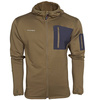

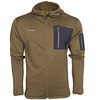


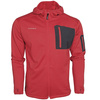
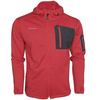
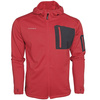
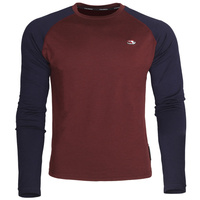






What is a mid-layer?
The base layer moves perspiration away from the skin, the mid-layer provides most of the adjustable insulation, and the shell limits wind and rain. Moisture must be able to continue through the system. A highly breathable fleece cannot perform well when trapped between wet cotton and an impermeable outer layer.
A mid-layer works by holding air within its structure. Thickness, loft and fit influence warmth, but a heavier garment is not automatically more efficient. Wind passing through open fleece removes heat quickly, which is why a shell can make the same mid-layer feel much warmer.
Choosing the level of insulation
For active walking and mild weather, begin with a light stretch fleece or technical knit. It adds modest warmth, dries quickly and fits beneath a shell without excessive bulk. Medium fleece is a versatile choice for mixed activity. High-loft or heavy fleece suits cold water and periods of low movement but can become too warm during an approach.
Two lighter layers sometimes provide better adjustment than one very thick garment, provided that the combined cuffs, collars and waist do not become restrictive. Change layers before heavy perspiration accumulates.
Fleece, technical knit, wool or cotton?
Polyester fleece dries relatively quickly, retains useful insulation when damp and is easy to layer. Stretch technical knits provide a closer athletic fit and freedom of movement. Wool and wool blends manage temperature across a broad range and resist odour, but need fibre-appropriate washing and can dry more slowly. Cotton is comfortable for casual use but absorbs water and dries slowly, making it a poor primary mid-layer in cold, wet conditions.
Blends are designed to balance these properties. Read the exact fibre composition and care instructions instead of assigning performance from a product name alone.
Full zip, pullover or hood?
A full zip provides rapid ventilation and is easy to remove. A half-zip pullover reduces zip length and bulk while still venting the neck and chest. A hood adds warmth but must fit beneath the outer hood without restricting head movement or creating a thick fold at the collar.
High collars protect the neck in wind. Thumb loops keep sleeves in place beneath a shell but should not pull across the hand or interfere with casting and glove use. Pockets need to remain flat beneath waders, a vest or pack straps.
Fit beneath a jacket and waders
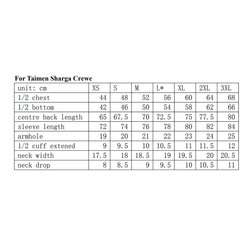
Try the complete system. Raise both arms, imitate a cast, rotate the torso and squat. The hem should remain covered, the sleeves should not pull and the garment should not compress the base layer. Under chest waders, bulky lower pockets and drawcords can create pressure points.
The outer wading jacket must still close and move freely. If adding the mid-layer makes the shell tight across the shoulders, both moisture movement and casting comfort suffer.
Match the layer to the fishing
- Active river fishing: prioritise low bulk, stretch and rapid moisture transfer.
- Cold-water wading: use enough insulation for the water temperature, including the torso inside the waders.
- Stillwater fishing: account for long stationary periods and wind exposure.
- Boat or bank fishing: use a shell to control wind and keep a dry spare layer accessible.
Why can the system feel damp?
Perspiration can be produced faster than the layers and shell move it. Vapour may also condense on a cold inner surface. General dampness after activity does not prove that the jacket or waders leak. Reduce insulation for the approach, ventilate where possible and avoid cotton next to the skin in cold conditions.
Care
Wash technical fleece when body oils and dirt reduce its ability to move moisture, using the labelled temperature and detergent. Avoid fabric conditioner where prohibited. Wash wool on the specified programme and dry it in the recommended shape. Keep hook-and-loop fasteners away from knitted surfaces, and store every garment fully dry.
Frequently asked questions
Is a mid-layer worn next to the skin?
Normally it is worn over a base layer. Some very light garments can serve both roles, but their construction and fit should explicitly support that use.
Is every fishing sweatshirt a technical mid-layer?
No. Casual cotton clothing and technical insulating layers may share a similar cut but manage moisture and drying very differently.
Is one thick layer better than two light layers?
Not always. Two layers permit finer adjustment, while one well-chosen garment may reduce bulk. Fit and activity decide which system works better.