
Flash Materials for Fly Tying
( number of products: 125 )Fly-tying flash adds controlled reflection, translucency or colour shift to wings, tails and bodies. It can imitate the glint of baitfish, mark a lateral line, separate colour layers or make a small pattern easier to see. The useful amount is often only a few strands.






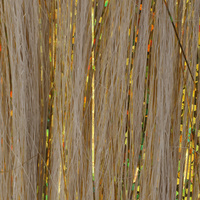
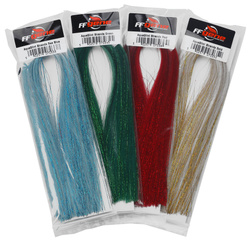



















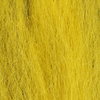
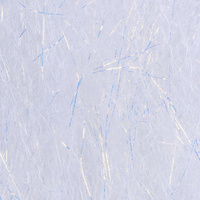
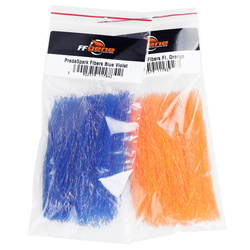

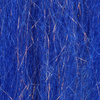
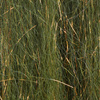
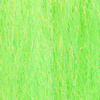
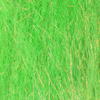
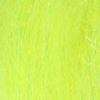
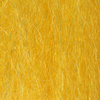
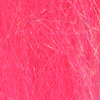
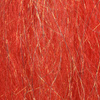
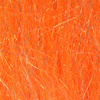

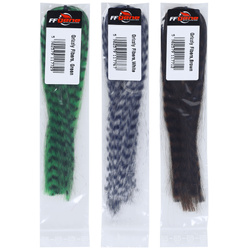


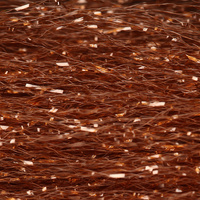
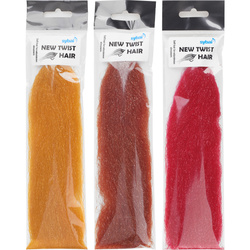






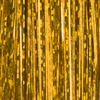


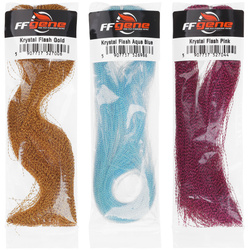


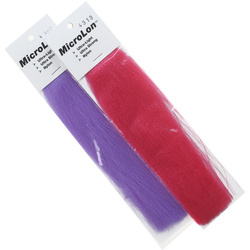










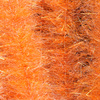


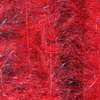


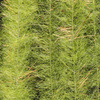

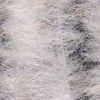


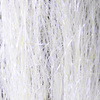


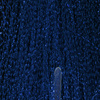
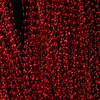
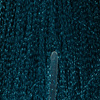








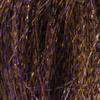


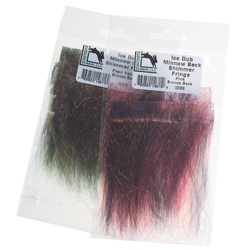

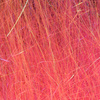


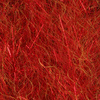
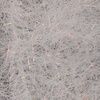
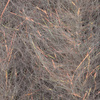


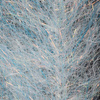
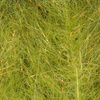

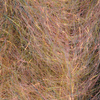


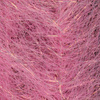


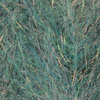


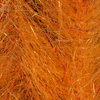
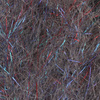


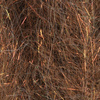
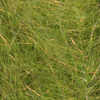


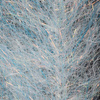
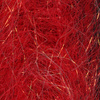

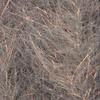


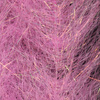


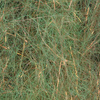


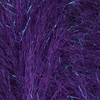


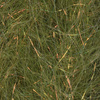

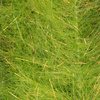




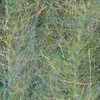


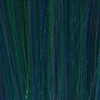
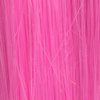


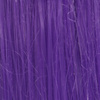

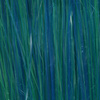


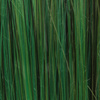




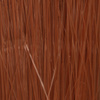




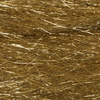


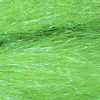
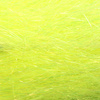
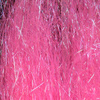

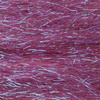





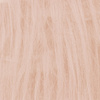


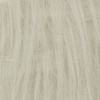


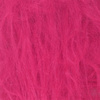


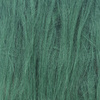










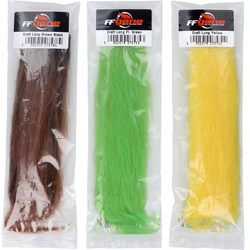








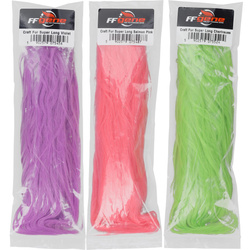












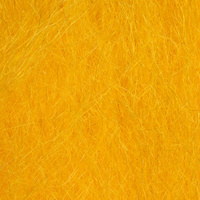
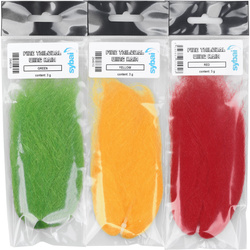













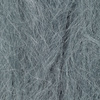


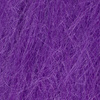

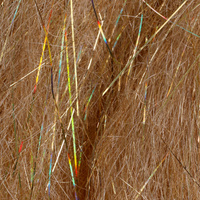


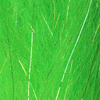


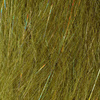


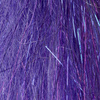


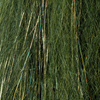
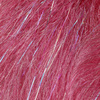



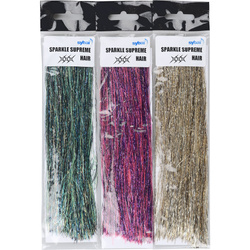


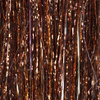


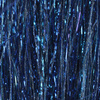


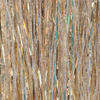


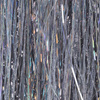
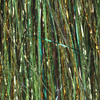


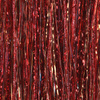

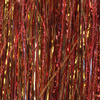


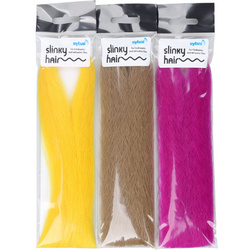


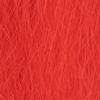


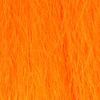

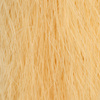
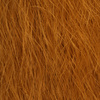


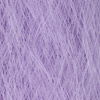
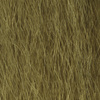


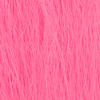


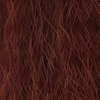


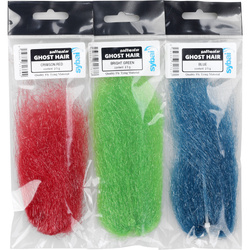








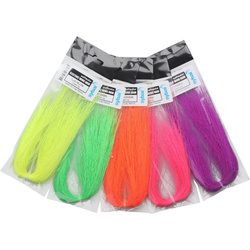

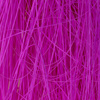
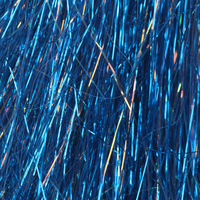


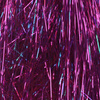

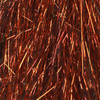


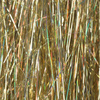

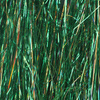

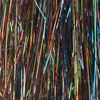

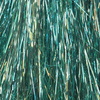


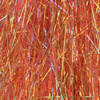


Flash is a function, not one material
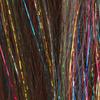
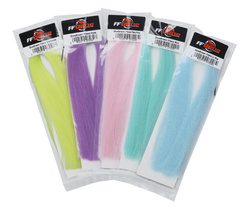
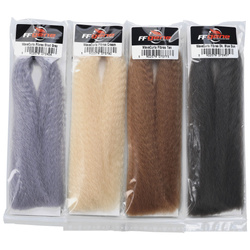
Flat reflective strands, twisted or crimped fibres, fine hair-like flash, translucent films and blends with supporting fibres all produce different effects. Some give a sharp mirror reflection; others scatter light into many small points or show an opalescent colour change as the fly turns.
How the main effects differ
- Metallic: a direct bright reflection resembling a hard scale or lateral highlight.
- Pearlescent and opalescent: colour changes with angle and surrounding light.
- Holographic: a broken multi-colour reflection rather than one flat flash.
- UV-treated or fluorescent: optical treatments that alter appearance under suitable light; they do not make every pattern universally more effective.
- Barred or printed: repeated markings suggesting segmentation or baitfish patterning.
Flash in streamer wings
Place a few strands within, beneath or along the side of natural and synthetic hair. Fibres enclosed in the wing move with it and flash intermittently. A dense outer layer can form a bright solid band, which may suit an attractor but can overwhelm a natural profile. Trim strands to slightly varied lengths rather than creating one blunt edge.
Bodies, ribs and lateral lines
Flat or narrow flash can be wound as a body, rib or back. Overlap evenly and protect delicate surfaces with a compatible clear coating where necessary. A single strand along each side of a baitfish pattern creates a clear lateral accent with little added bulk.
Using flash in small flies
One or two fine fibres may be enough for a nymph wing case, midge rib, tail accent or emerging shuck. Divide wider material or select the finest structure available. On a small hook the tie-in point can add more bulk than the visible flash, so secure it on a level underbody.
Flash length and movement
Stiff flat strands retain a clear outline but can look mechanical in excess. Fine crimped fibres mix with hair and move more freely. Longer strands can foul around the hook; stagger them and support very soft materials when necessary.
Colour selection
Silver and pearl imitate general baitfish reflection; gold and copper create a warmer signal; black, olive and dark blends offer a subdued flash; bright chartreuse, pink, orange or blue act as attractor accents. Water colour, depth, sky and target species matter more than a universal colour rule.
Common errors
- using so much flash that the wing loses its shape;
- cutting all fibres to one rigid length;
- leaving hard ends at the hook eye;
- assuming UV or holographic treatment guarantees better fishing;
- mixing incompatible adhesives or coatings with delicate film.
Frequently asked questions
Is more flash better in coloured water?
Not automatically. A stronger signal can help, but silhouette, vibration, depth and retrieve remain important. Test a controlled accent before building an entirely reflective fly.
Can flash replace wing hair?
Some synthetic flash blends can form a complete wing, while fine flat flash is usually more manageable as an accent among supporting fibres.
Why has old flash become dull?
Abrasion, adhesive contamination and repeated bending can damage the reflective coating. Store it straight, clean and away from direct heat.