
Fly-Tying Fur and Hair on the Skin
( number of products: 34 )A complete skin or selected patch preserves the natural arrangement of underfur and guard hair. It lets the fly tier choose fibres from the area best suited to a wing, clipped head, tail, thorax or dubbing blend.
The category includes deer, wapiti and moose hair; rabbit, squirrel, fox and opossum fur; hare's masks; goat, sheep and yak hair; and wool-like materials used to form streamer heads.
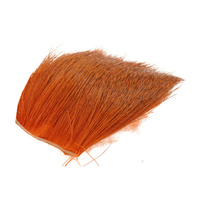
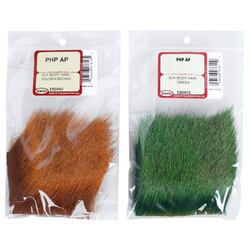


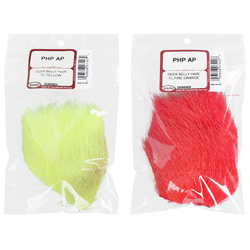




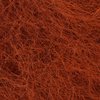



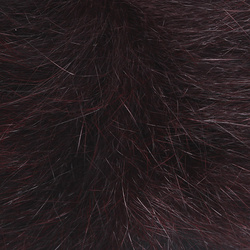
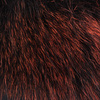

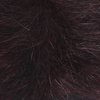


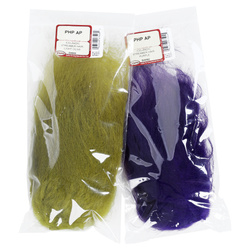






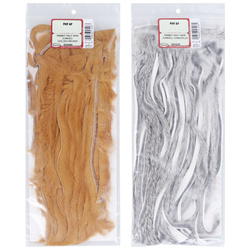


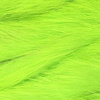
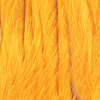


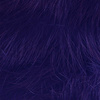

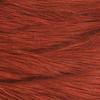


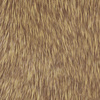

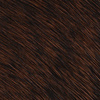

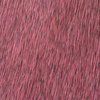

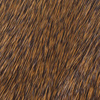



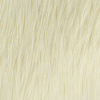

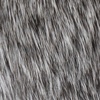


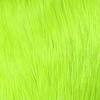
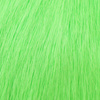







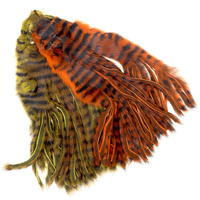


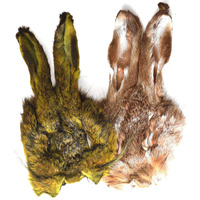
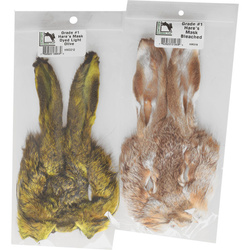

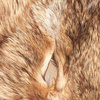


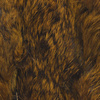
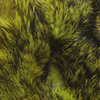
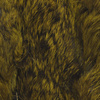





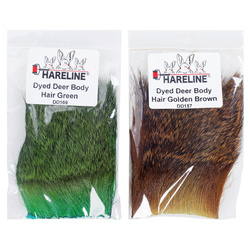




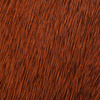
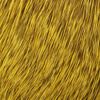


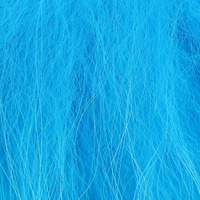
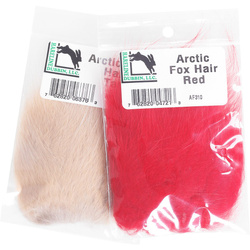
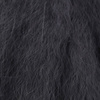


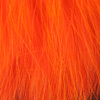

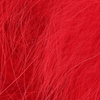

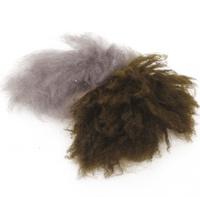











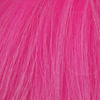


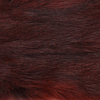




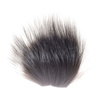


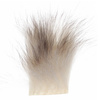

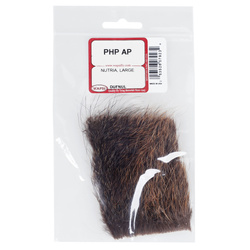

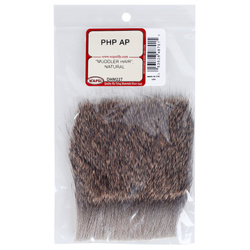


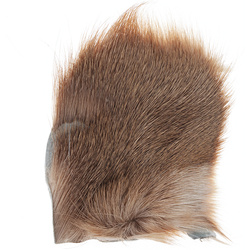
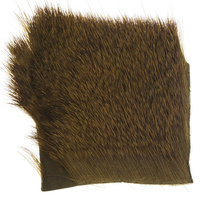




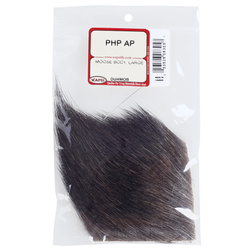
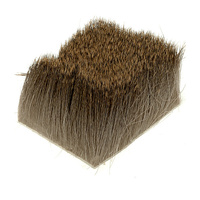


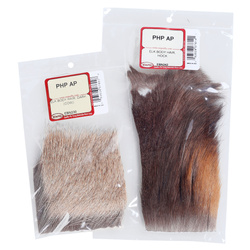


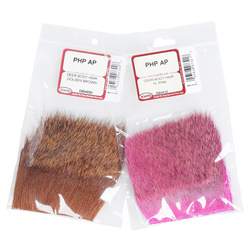


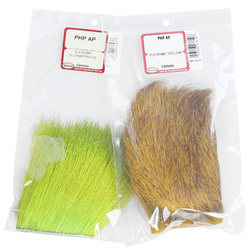


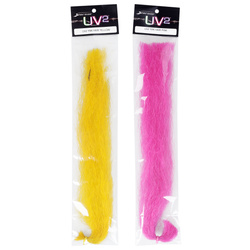




A skin is a map of different fibres
Hair changes from one part of an animal to another. Length, diameter, taper, underfur, stiffness and response to compression can all differ. Labels such as body, belly, rump, hock, mask, whole skin and fur piece identify the source area or presentation and help predict how the material may behave when tied in.
Deer, wapiti and moose hair
Deer belly hair is often selected for larger spun and clipped heads because suitable pieces flare strongly and provide enough length for shaping. Deer body hair covers a wider range used for wings, heads and bodies. Fine or short selected hair is easier to control on smaller flies, while muddler hair is chosen for its ability to spread and pack under thread pressure.
In American product names, elk normally denotes wapiti. Wapiti hair is a classic choice for caddis-style wings and larger dry patterns because of its length and tapered tips. Moose body hair commonly provides long, firm fibres for tails, antennae, legs and segmented bodies. Do not substitute these materials by colour alone.
Soft fur for dubbing and mobile wings
Rabbit, squirrel, opossum, nutria and hare's mask combine soft underfur with more distinct guard hairs. The two layers can be separated or blended: underfur produces a smoother body, while guard hairs give a spikier outline. Different areas of a hare's mask have noticeably different texture, so cheeks, forehead and the area around the ears should not be treated as one uniform dubbing.
Long hair for streamer profiles
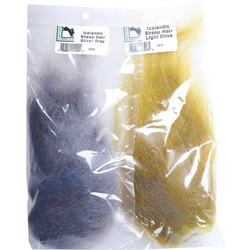
Fox, Finn raccoon, goat, Icelandic sheep and yak provide longer fibres for wings and underwings. Soft fibres create movement; firmer fibres hold shape and can support softer layers. Assess how much short underfur remains after combing and how thick the tie-in point becomes. A long material is useful only if its base can still be secured neatly.
Wool-like materials and speciality hair
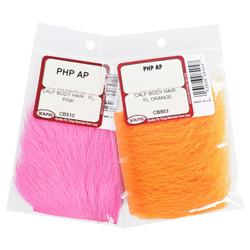
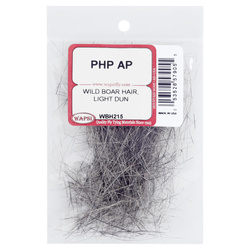
Ram's wool and sculpin wool can be packed and trimmed into dense streamer heads, but they do not tie in exactly like hollow deer hair. Calf hair supplies short, resilient, often slightly crimped fibres for traditional wings and tails. Wild-boar hair is long and firm enough for antennae, legs or structural support.
Choosing a piece for the job
- Dry-fly wing: intact tapered tips, consistent useful length and manageable diameter.
- Spun head: fibres that flare under thread and provide room for trimming.
- Streamer wing: the required balance of movement and profile support.
- Dubbing: underfur, guard hair or a controlled mixture of both.
- Tails and feelers: straight, durable fibres with natural taper.
Preparation and care
Part the fur before cutting, take only a small bundle and comb out unwanted underfur. Do not cut the natural tips after tying unless the pattern deliberately requires a blunt edge. Keep patches dry and individually sealed. Because skins are natural, slight variation in colour, density and length is normal even within one named product.
Prepared strips are listed separately under zonker strips, while whole and partial tails are found under fly-tying tails.