
Fly Hooks for Dry Flies, Nymphs and Streamers
( number of products: 225 )A fly hook must suit the construction and proportions of the artificial fly first, then the size and power of the fish. Dry flies, emergers, nymphs, wet flies, streamers, salmon flies and predator patterns require different combinations of wire, shank, bend, gape, point and eye.
Hook numbers are not fully standardised between models or manufacturers. Compare the actual geometry rather than assuming that two size 12 hooks are identical. Explore barbless fly hooks, Akita hooks and specialist Partridge hooks.
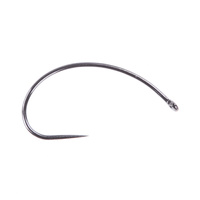

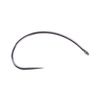
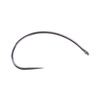
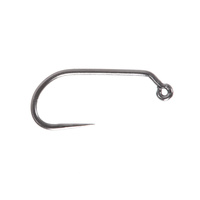

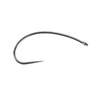
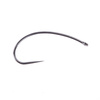

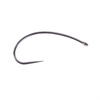
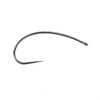
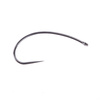

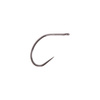
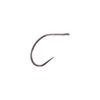
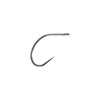
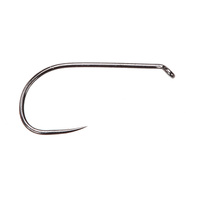
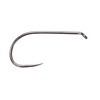
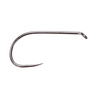
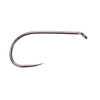
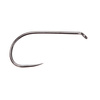
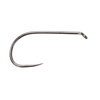
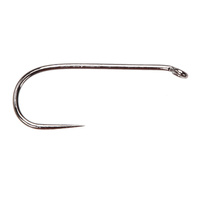
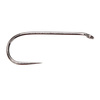

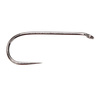
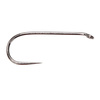

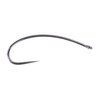
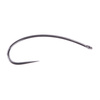
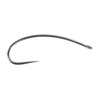
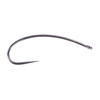
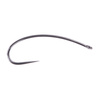


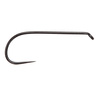
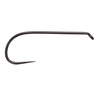
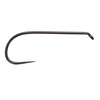


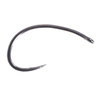
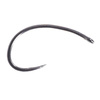
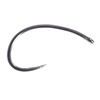
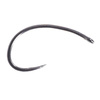

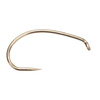
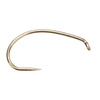
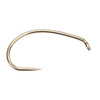
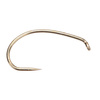
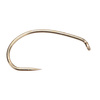

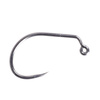

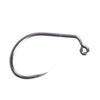
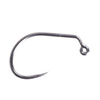
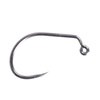
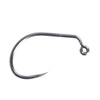

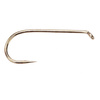

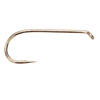
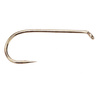
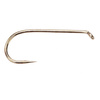
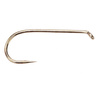


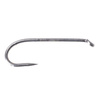

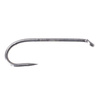

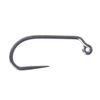
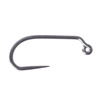
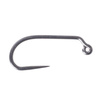
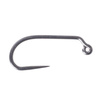
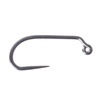

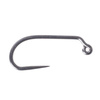

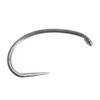
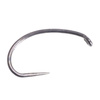
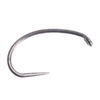
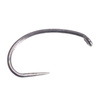

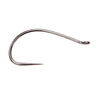
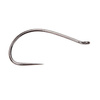
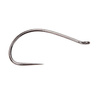
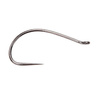
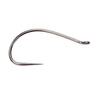


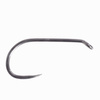
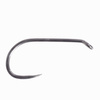
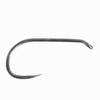
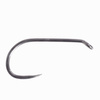


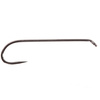
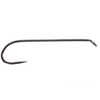
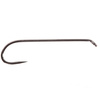
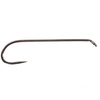
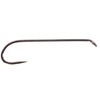
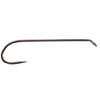
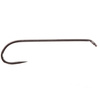

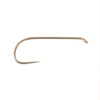

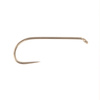

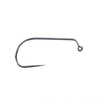
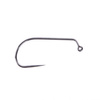
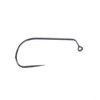

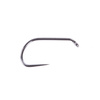
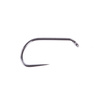
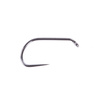
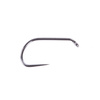
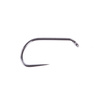


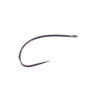
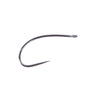
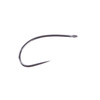
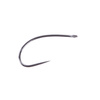
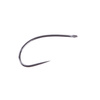

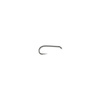
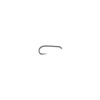


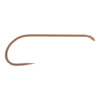
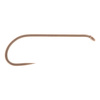
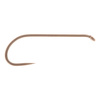
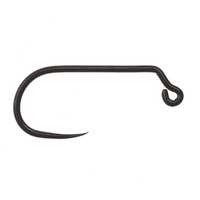

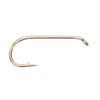

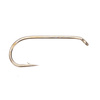
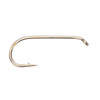

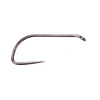
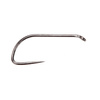

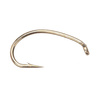
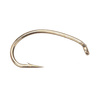
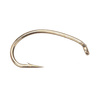
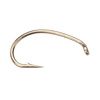
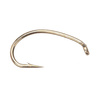
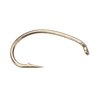

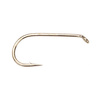
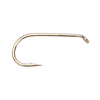
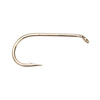
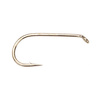
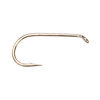


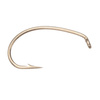
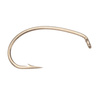
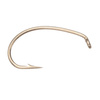
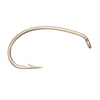
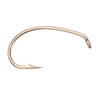

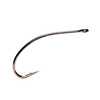

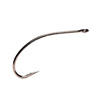
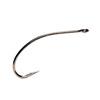
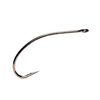


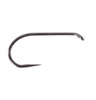
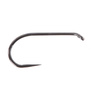

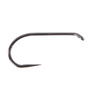
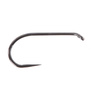
How to choose a fly hook
Begin with the intended fly. Determine the required shank length, body curve, gape and eye orientation, then choose wire strong enough for the fish without making the pattern unnecessarily heavy. Finally select barb type, finish and exact size.
Hook families
- Dry-fly hooks: normally light wire with proportions supporting a surface pattern.
- Emerger and grub hooks: straight or curved shapes matching a suspended or segmented body.
- Nymph and jig hooks: stronger wire and geometry designed for beads, weighted bodies or hook-point-up presentation.
- Wet-fly hooks: standard or heavier wire with proportions for traditional bodies and soft hackles.
- Streamer hooks: longer or stronger constructions selected for the profile and leverage of a larger fly.
- Salmon, saltwater and predator hooks: specialist shapes, strength and finishes appropriate to powerful fish and particular patterns.
The parameters that matter
Wire diameter affects mass and strength. Shank length sets body space and leverage. Gape must remain clear after materials are tied. Bend shape affects the profile and how the hook loads. Point length and angle influence penetration. Eye orientation changes the connection and available space for a bead or head.
Wide gape, heavy wire and long shank are not universal advantages. Every increase changes weight, balance and leverage.
Why sizes differ between manufacturers
Hook sizing developed within individual ranges rather than as a one-dimensional standard. A size number should therefore be used to navigate a model series, not as an exact measurement across brands. Compare a drawing, dimensions or the physical hooks when changing model.
Matching a bead
A bead must pass over the eye and around the bend, then sit correctly behind the eye without closing the gape. Jig hooks often need a slotted bead. Wire, bend angle and barb can prevent a combination that a generic size chart appears to permit. Dry-fit the exact parts.
Barbless or barbed?
A factory-barbless hook has a point designed without a barb. It generally removes more quickly and may be required by fishery rules or competition regulations. A barbed hook can sometimes be debarbed with suitable flat jaws, but the remaining bump and point condition should be inspected.
Landing fish on either type depends on a sound hook-set, controlled pressure and keeping the line under appropriate tension. Barbless does not mean that handling technique ceases to matter.
Finish and corrosion
Black nickel, bronze, silver, tin and specialist saltwater finishes provide different appearance and corrosion resistance. No finish makes a hook immune to salt. Rinse flies used in saltwater, dry them before storage and discard hooks showing deep corrosion or damage.
Why can a hook open?
Possible causes include wire too light for the load, excessive drag pressure, poor hook angle, damage, corrosion or a long shank creating leverage. Select the model for the complete method and test knots and drag before fishing.
Frequently asked questions
What does BL mean?
In most fly-hook ranges BL denotes barbless, but confirm the specification because product-code conventions belong to the manufacturer.
Will one hook model cover every fly?
No. A versatile model can cover several patterns, but dry flies, jigs, long streamers and specialist salmon flies impose different requirements.
Which hook should be used for first nymphs?
A standard nymph or compatible jig hook in a commonly used size is a practical start. Match it to the bead, fly proportions and target fish rather than copying the number alone.