
Zonker streamer flies
( number of products: 23 )Zonker streamers use a mobile strip of fur to form a continuous wing or body that breathes, narrows and opens as the fly moves. The range includes bead-chain, heavy-eye, deer-hair-head, Mylar-body and pearl-body versions. Each head and body construction changes depth, flash, silhouette and the way the fur tracks through the water.

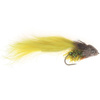
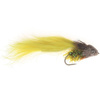
Beads Chain Eyes Zonker Natural Head Silver Yellow


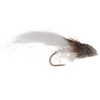
Beads Chain Eyes Zonker Natural Head Silver White


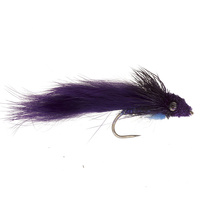
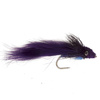
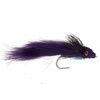
Beads Chain Eyes Zonker Purple Head Silver

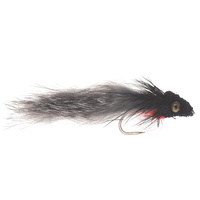
Beads Chain Eyes Zonker Black Head Silver
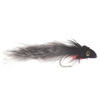

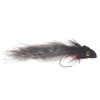

Beads Chain Eyes Zonker Natural Head Silver

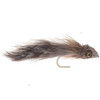
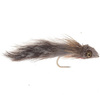

Beads Chain Eyes Zonker Natural Head Red
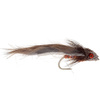
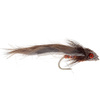
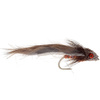

Beads Chain Eyes Zonker Orange Black

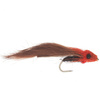
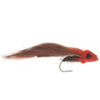

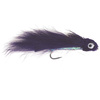
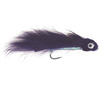
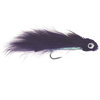
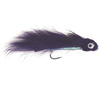
Mylar Body Zonker Purple
 + 2Opcji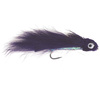

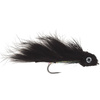
Mylar Body Zonker Black


 + 2Opcji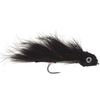

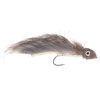
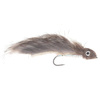
Mylar Body Zonker Natural


 + 2Opcji
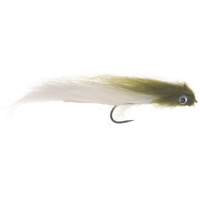
Wool Head Zonker Olive

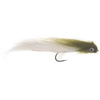
 + 2Opcji
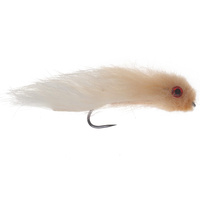
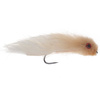
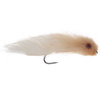
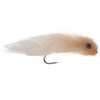
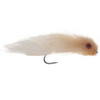
Wool Head Zonker Lt. Tan
 + 2Opcji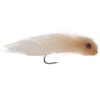

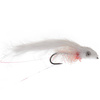
Dear Head Zonker White


 + 2Opcji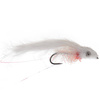

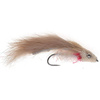
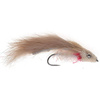
Dear Head Zonker Tan

 + 2Opcji

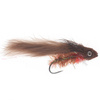
Dear Head Zonker Rusty

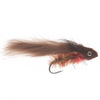
 + 2Opcji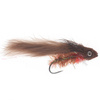
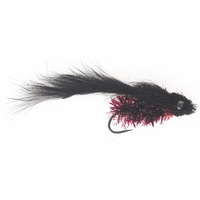
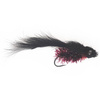
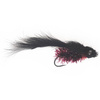
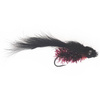
Dear Head Zonker Black
 + 2Opcji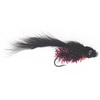
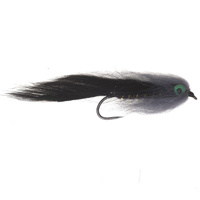
Twin Eyes Zonker Black
 + 2Opcji
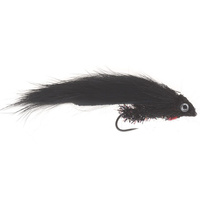
Pearl Body Zonker Black
 + 2Opcji
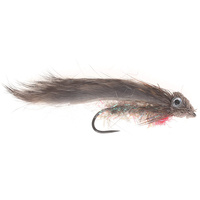
Pearl Body Zonker Natural
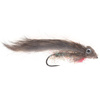 + 2Opcji
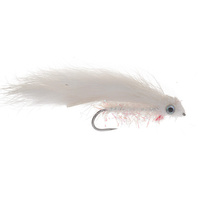
Pearl Body Zonker White
 + 2Opcji
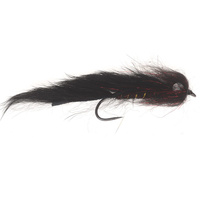
Heavy Eyes Zonker Black

 + 2Opcji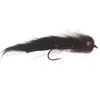

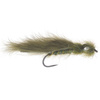
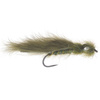
Heavy Eyes Zonker Olive
 + 2Opcji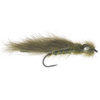

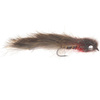
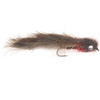
Heavy Eyes Zonker Natural
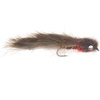
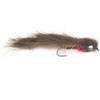 + 2Opcji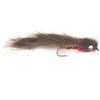
Why fur strips create distinctive movement
A rabbit-fur strip combines a flexible skin strip with dense, soft fur. In the water, the fibres flow while the strip keeps the wing connected along its length. The result is a strong, living profile at both fast and slow retrieve speeds. Because fur absorbs water, larger Zonkers become heavier to cast after fishing.
Head and body variations
- Bead-chain eyes add modest forward weight and a visible eye without the mass of a heavy dumbbell.
- Heavy eyes increase descent and create a more pronounced change of direction during strips and pauses.
- Deer-hair heads add volume and water displacement and may resist sinking depending on density and treatment.
- Mylar and pearl bodies provide a reflective baitfish flank beneath the moving fur wing.
How to fish a Zonker
Use a steady retrieve when you want the wing to narrow into a clear baitfish form. Short strips and pauses make it open and collapse. In current, a controlled swing can show the fly broadside before the line tightens. Choose line density and leader length together with the eye style so the fly reaches the target without repeatedly catching the bottom.
Selecting colour and size
Natural, olive and darker backs provide a familiar prey silhouette; white, silver, pearl and brighter head details add contrast. Match overall size to the expected baitfish and tackle. For larger toothy predators, use an appropriate bite-resistant leader.
Before every cast, check that the fur lies behind the hook rather than around it. After fishing, rinse when required by the water conditions, allow the fly to dry fully and only then return it to closed storage.