
Fly-Tying Tinsels and Wires
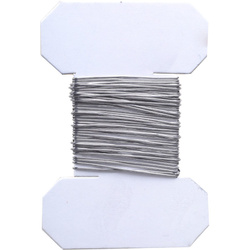
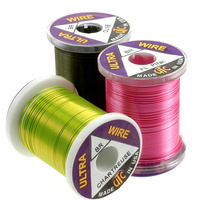
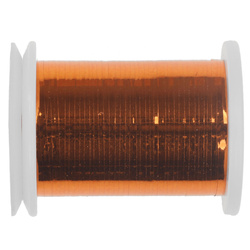
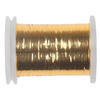
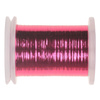
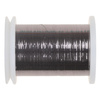
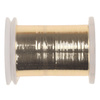
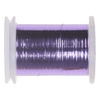
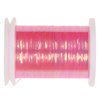
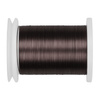
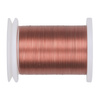
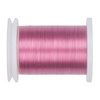
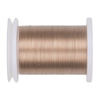
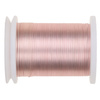
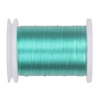
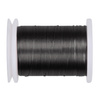
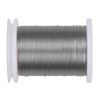
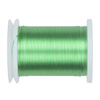
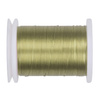
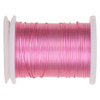
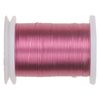
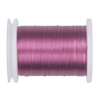
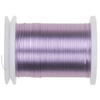
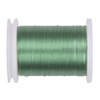
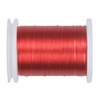
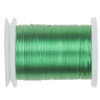
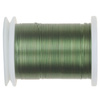
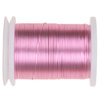
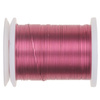
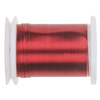
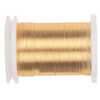
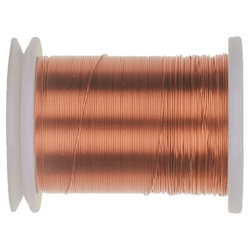
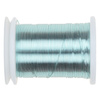
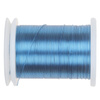
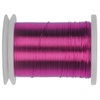
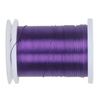
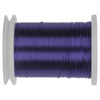
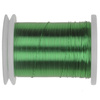
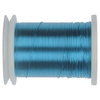
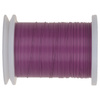
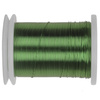
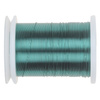
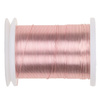
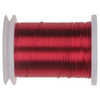
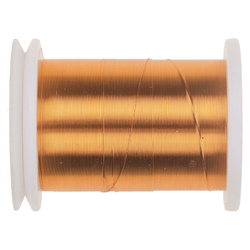
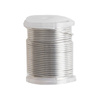
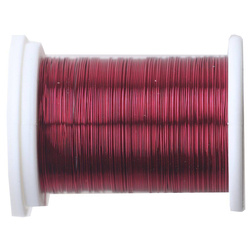
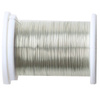
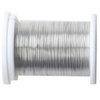
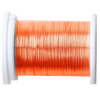
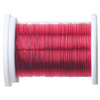
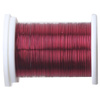
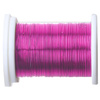
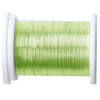
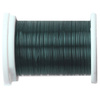
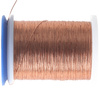
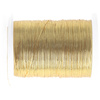
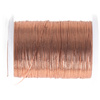
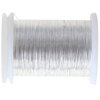
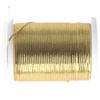
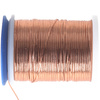
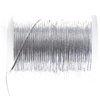
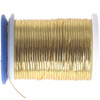
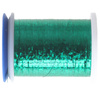
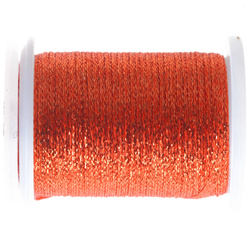
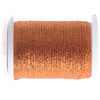
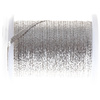
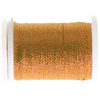
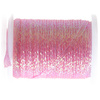
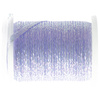
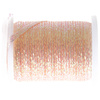
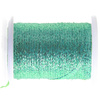
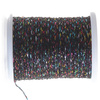
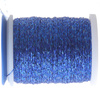
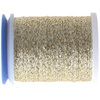
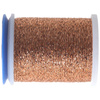
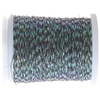
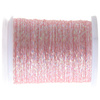
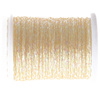
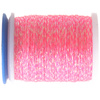
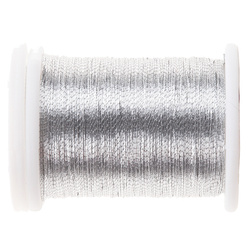
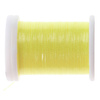
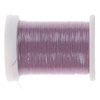
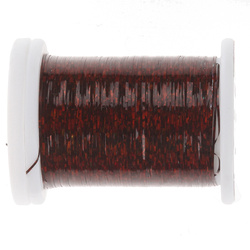
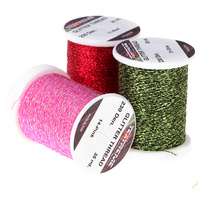
( number of products: 52 )Tinsel and wire can create segmentation, reflection, reinforcement or weight, but their cross-section and stiffness make them behave differently. Round wire forms a raised rib, flat tinsel covers a body or creates a stripe, oval tinsel produces a classical rib, and lead or lead-free wire adds mass beneath the visible materials.









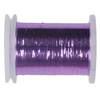
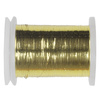
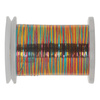
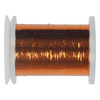









































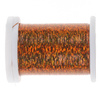

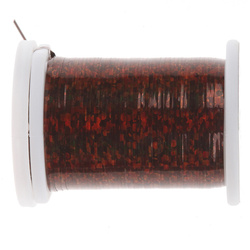


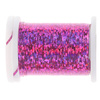






















- 1
- 2
Choose by function before colour
Decide whether the material must show as a rib, protect a fragile body, reflect light or add weight. Only then select diameter, width and colour. A bright material intended for decoration may be too delicate for reinforcement, while a heavy wire can distort a small fly.
Round wire
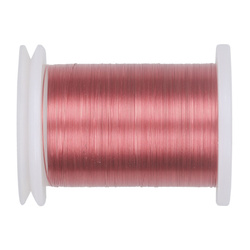
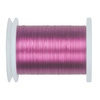
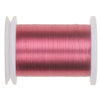
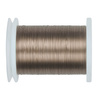
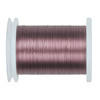
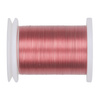
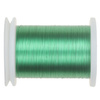
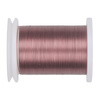
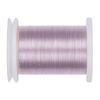
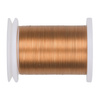
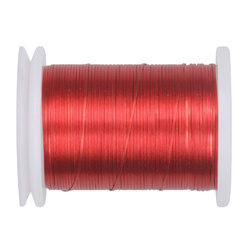
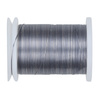
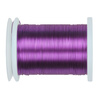
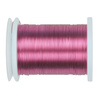
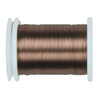
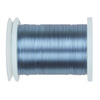
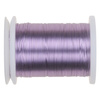
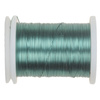
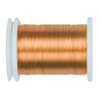
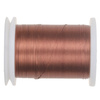
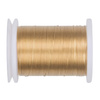
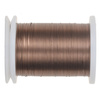
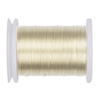
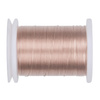
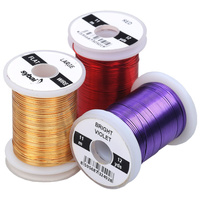
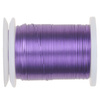
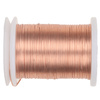
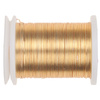
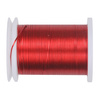
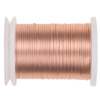
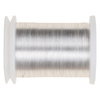
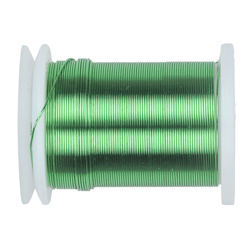
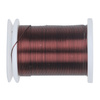
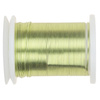
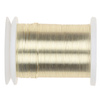
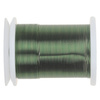
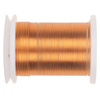
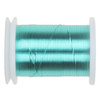
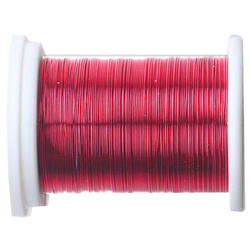
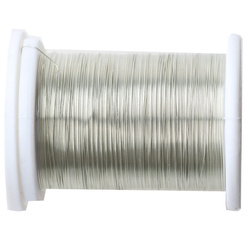
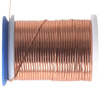
Fine copper and coloured wire forms clear segmentation and protects bodies made from peacock herl, dubbing or other vulnerable fibres. When durability matters, wind the wire in the opposite direction to the body material so it crosses and locks the previous turns. Fine wire also creates small tails, legs and thorax details in suitable patterns.
Lead and lead-free weighting wire
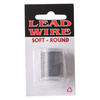
Weighting wire is wound on the hook before the visible body. Select a diameter that fits the shank without closing the gape or producing an abrupt cylinder. Secure the ends with thread ramps and, where appropriate, stabilise the underbody. Observe local rules and handling requirements for lead products.
Flat tinsel and Mylar
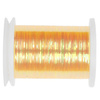
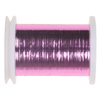
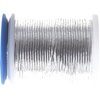
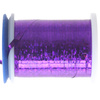
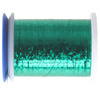
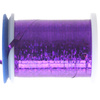
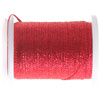
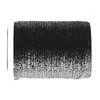
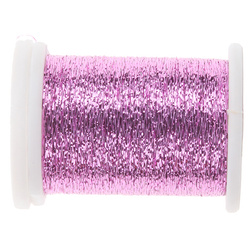
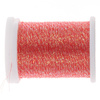
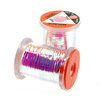
Flat metallic or Mylar tinsel creates a smooth reflective body, rib, back or lateral stripe. It shows every irregularity beneath it, so build an even foundation. Keep the material flat and use consistent overlap. Reversible tinsels offer two colours or metallic finishes in one strip.
Oval tinsel and corded materials
Oval tinsel produces a raised rib used in salmon flies, wet flies and streamers. Its core and metallic covering create a different line from round wire. Tie it in along the shank to avoid a step and maintain steady spacing during winding.
Holographic, pearlescent and patterned tinsels
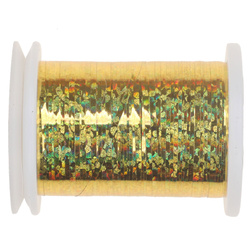
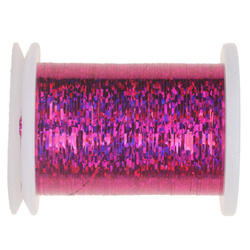
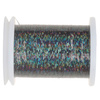
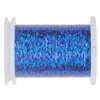
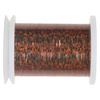
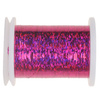
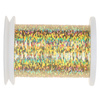
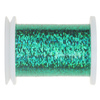
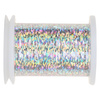
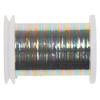
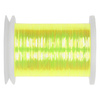
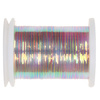
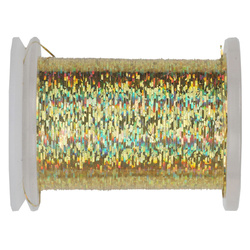
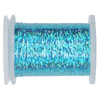
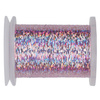
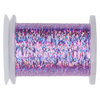
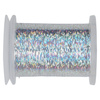
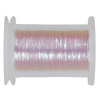
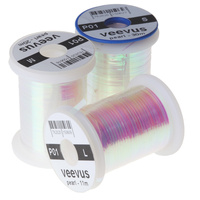
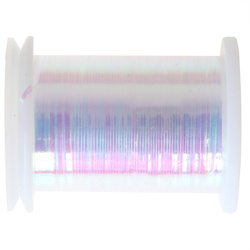
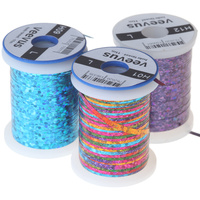
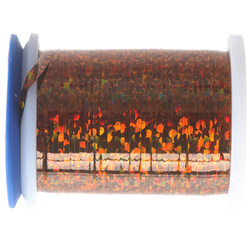
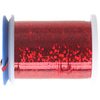
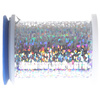
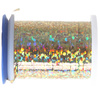
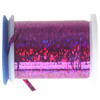
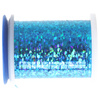
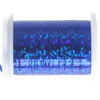
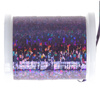
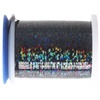
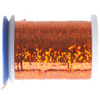
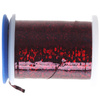
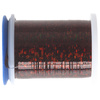
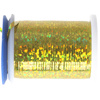
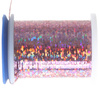
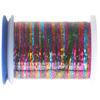
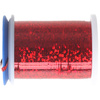
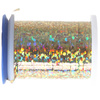
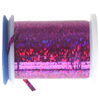
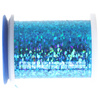
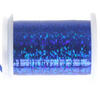
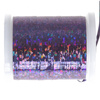
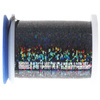
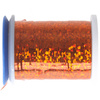
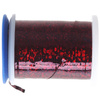
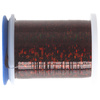
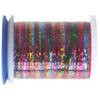
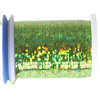
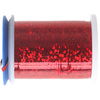
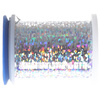
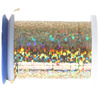
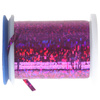
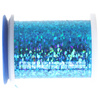
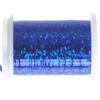
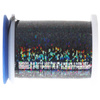
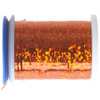
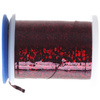
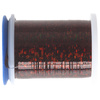
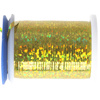
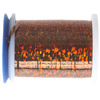
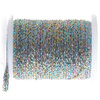
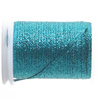
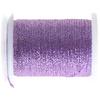
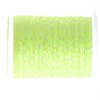
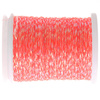
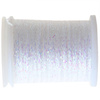
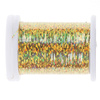
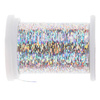
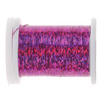
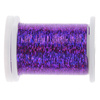
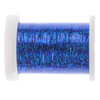
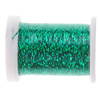
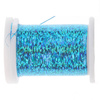
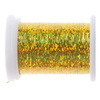
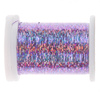
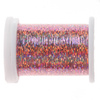
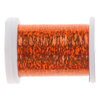
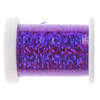
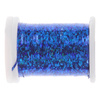
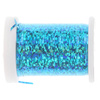
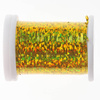
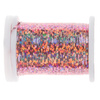
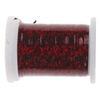
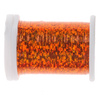
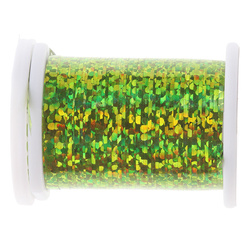
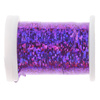
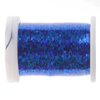
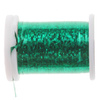
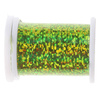
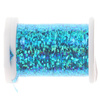
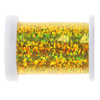
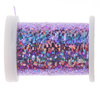
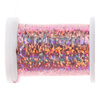
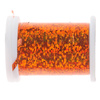
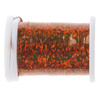
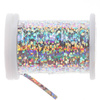
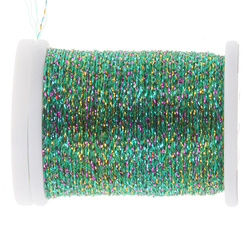
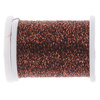
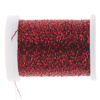
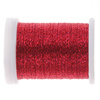
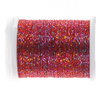
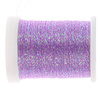
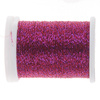
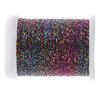
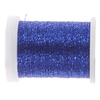
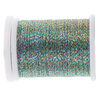
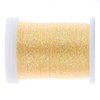
Holographic surfaces split reflection into changing colours; pearlescent films shift with viewing angle; printed and barred materials add repeated markings. These are optical choices rather than measures of durability. Use a compatible thin coating when a tooth-resistant body is needed, but avoid burying the surface beneath excess resin.
Size and proportion
Extra-small, small, medium and large are usually relative to a manufacturer's own range. Match the visible rib to the hook and body: several turns should create rhythm without hiding the material beneath. On small flies, a fraction of a millimetre changes the result substantially.
Handling and cutting
Use dedicated cutters for wire. Fine fly-tying scissors lose their edge quickly on metal. Bend heavier wire back and forth at the tie-off point or cut it carefully without pulling the body out of alignment. Store metallic films so that spool edges do not crease or abrade them.
Frequently asked questions
Can wire be used as the whole body?
Yes, especially in small nymphs, but it adds more mass and stiffness than a thread or film body. Keep the taper and hook gape under control.
Why does flat tinsel twist?
The tie-in may be off-centre, the material may have accumulated twist, or tension is changing. Let the spool hang to release twist and guide the strip flat with each turn.
Does a wire rib always add weight?
It adds some mass, but a fine reinforcing wire is not a substitute for deliberate weighting with a bead or heavier underbody.
For materials forming the main visible surface, see fly body materials. For the thread that secures the construction, see fly-tying threads.