
Body Materials for Artificial Flies
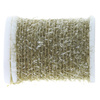
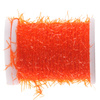
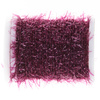
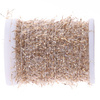
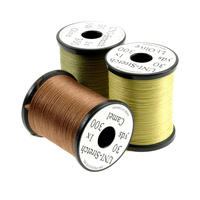
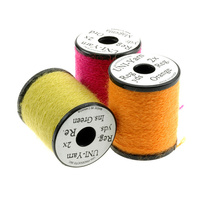
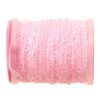
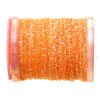
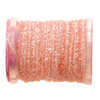
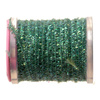
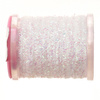
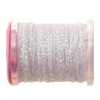
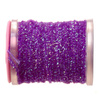
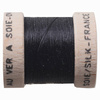
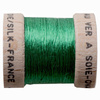
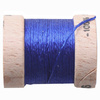
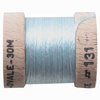
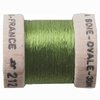
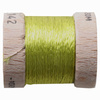
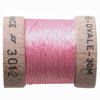
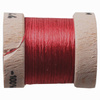
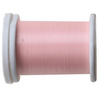
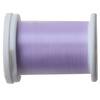
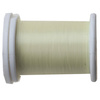
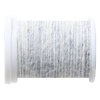
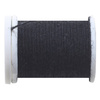
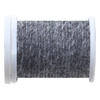
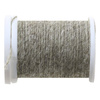
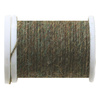
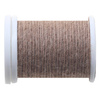
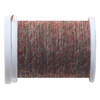
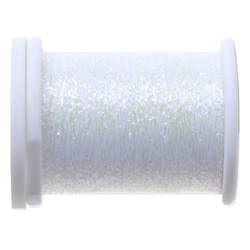
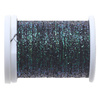
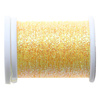
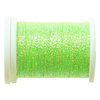
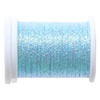
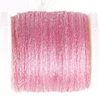
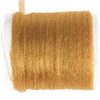
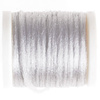
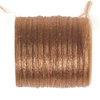
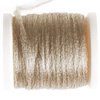
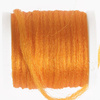
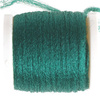
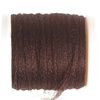
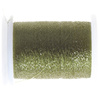
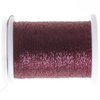
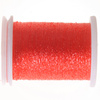
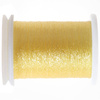
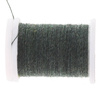
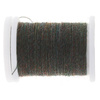
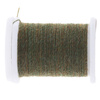
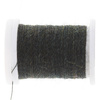
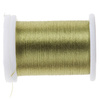
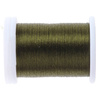
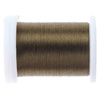
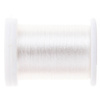
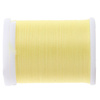
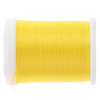
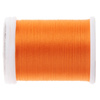
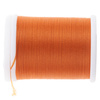
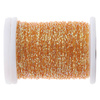
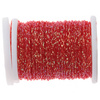
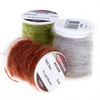
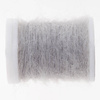
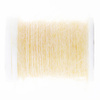
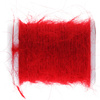
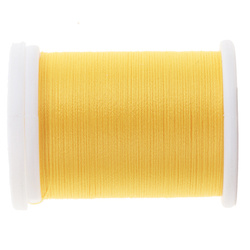
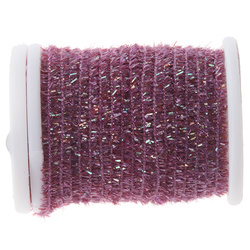
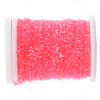
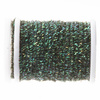
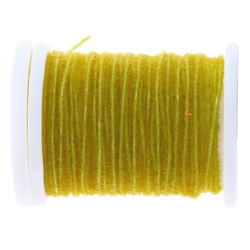
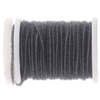
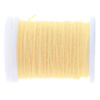
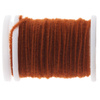
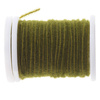
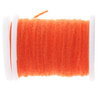
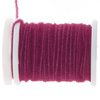
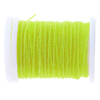
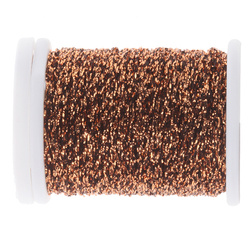
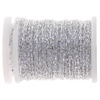
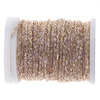
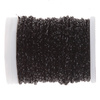
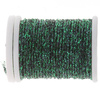
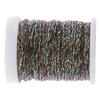
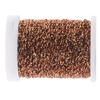
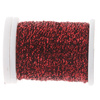
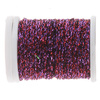
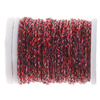
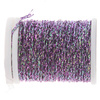
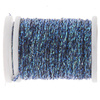
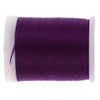
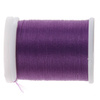
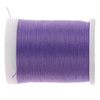
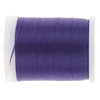
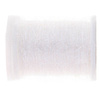
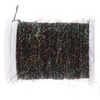
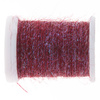
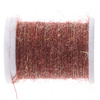
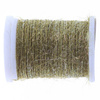
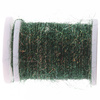
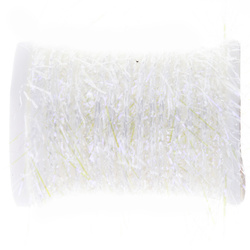
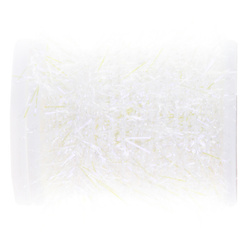
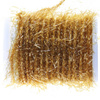
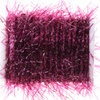
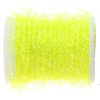
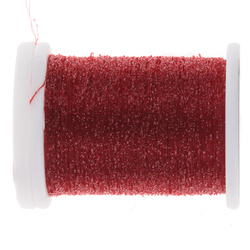
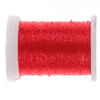
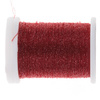
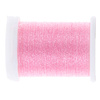
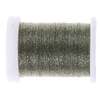
( number of products: 43 )Body material determines the profile, segmentation, texture and optical character of an artificial fly. Floss and body quill form smooth surfaces; D-Rib and Round Rib create defined segments; yarn and mohair give a softer texture; chenille, sparkle materials and braid add volume or reflection.

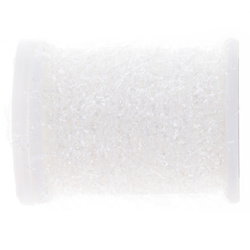


















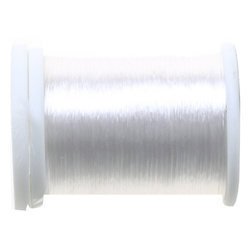






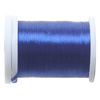

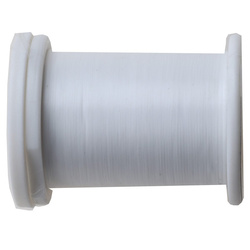















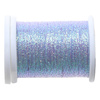

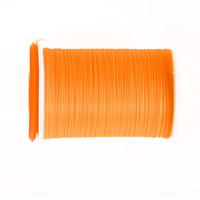

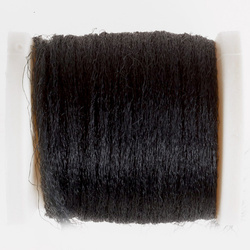

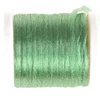
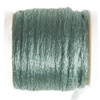
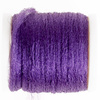
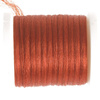

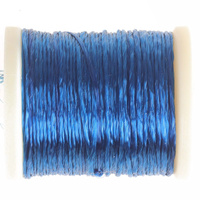
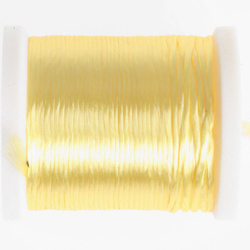

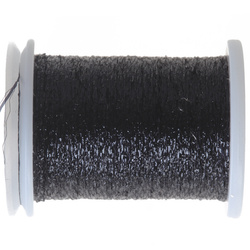



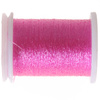


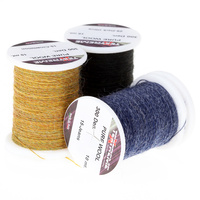
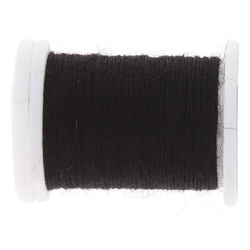






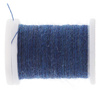

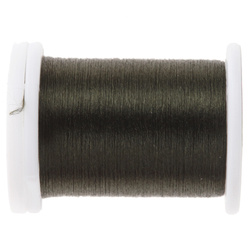





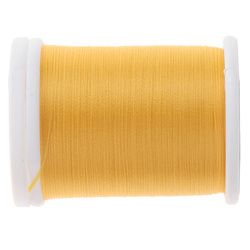










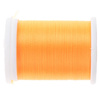
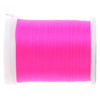

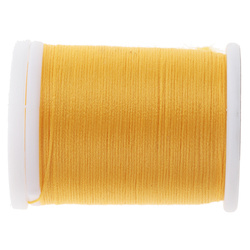











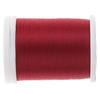

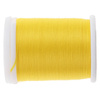


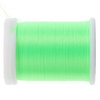

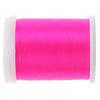


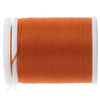

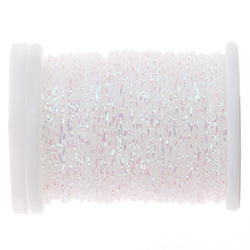














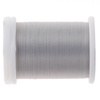
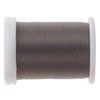
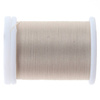
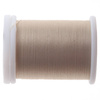





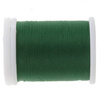
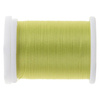


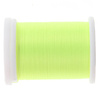
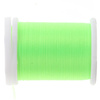

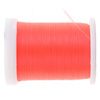

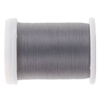

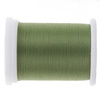
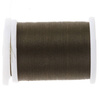




























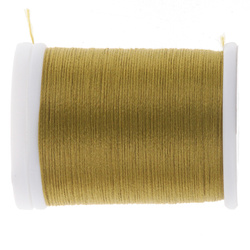




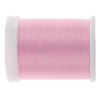
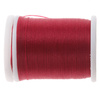
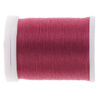
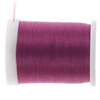
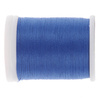
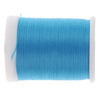


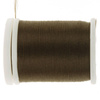
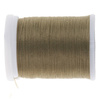


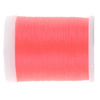
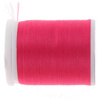
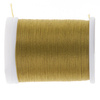

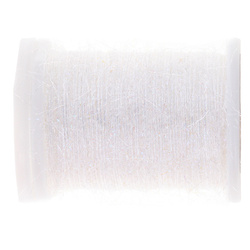






















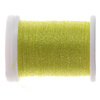


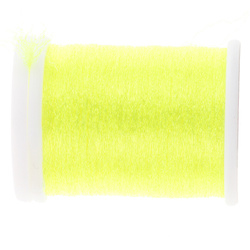

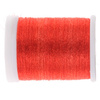


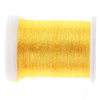


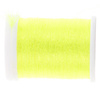

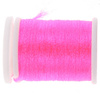
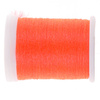

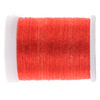
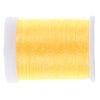


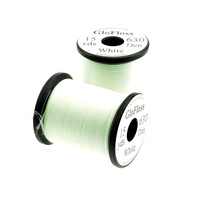


- 1
- 2
Choose the finished surface first
Before selecting colour, decide whether the body should be slim or full, smooth or fibrous, opaque or translucent, evenly tapered or strongly segmented. The same colour in flat floss, elastic rib and fuzzy yarn produces three different flies.
Floss, silk and flat body materials
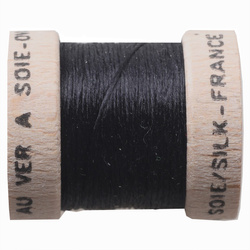
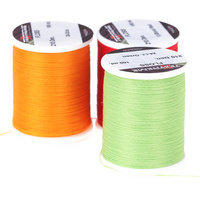
Floss and silk-like strands can be opened and laid flat to produce a smooth even body. They reveal every step in the foundation beneath them, so trim waste ends gradually and build a level thread base. Twist creates a round cord; untwisting makes the material wider and flatter.
Body quill and fine translucent strips
Body quill and similar narrow materials create slim bodies with controlled overlap. A coloured or reflective underbody can show through a translucent layer. Maintain constant tension and spacing because irregular overlap changes both colour density and diameter.
D-Rib, Round Rib and elastic bodies
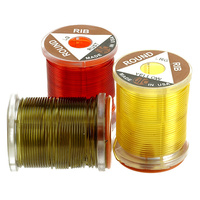
Raised rib materials create clear segmentation. D-shaped material places a flatter face against the hook and a rounded face outward; round material forms a more pronounced cord. Stretch changes width and thickness, so tension must remain consistent. Tie the material along the body before winding to prevent a sudden step.
Yarn, wool and mohair
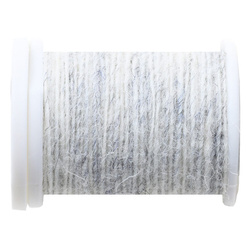
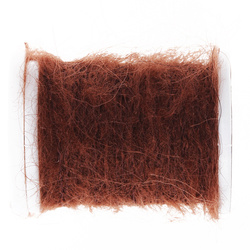
These materials create soft texture and can be divided into thinner strands. Added twist makes the body firmer and rounder; reduced twist opens the fibres. Mohair and brushed yarns can be picked out after winding to create a mobile halo. Use only enough material to preserve the hook gape.
Chenille, sparkle chenille and braid
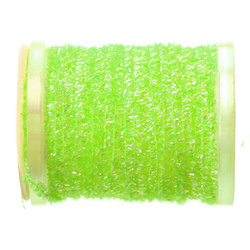
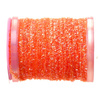
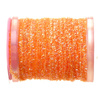
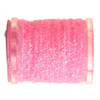
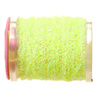
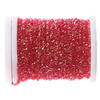
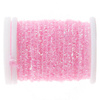
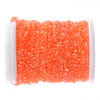
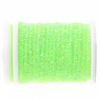
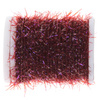
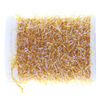
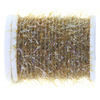
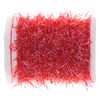
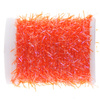
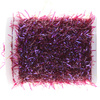
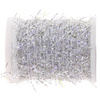
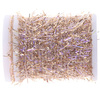
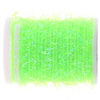
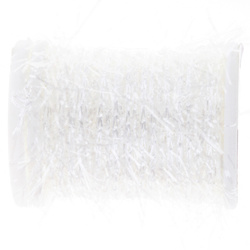
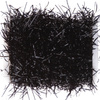
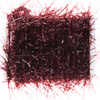
Chenille covers quickly because its fibres are carried on a central core. Strip the pile from the tie-in and finishing ends for a neat transition. Reflective chenilles and braids add light without a separate tinsel layer. Long-fibre chenille should be swept backwards before each turn.
Building a taper
- Create a smooth thread foundation.
- Tie the body material in along the area that needs added diameter.
- Use the underbody to establish most of the taper.
- Wind the visible material with consistent tension and overlap.
- Finish on bare core or a thinned end wherever possible.
Colour over an underbody
Translucent yellow over black thread will not look like the same material over white or silver. Test a short section when exact colour matters. Wetting and clear coatings can deepen colour and increase transparency.
Frequently asked questions
Which material makes the slimmest body?
Fine flat thread, floss or body quill generally creates less bulk than yarn or chenille, provided the underbody is smooth.
How can a segmented body be made?
Use spaced turns of D-Rib, Round Rib, wire or another narrow material over a contrasting foundation, or create segments by varying overlap and tension.
Why does a body become lumpy?
The underbody is uneven, waste ends end abruptly, or winding tension and overlap vary. Correct the foundation rather than adding more visible material.