
Caddis and sedge dry flies
( number of products: 41 )Caddis and sedge flies imitate adult caddisflies, which typically show a low body and roof-like wings when resting. Patterns dressed with CDC, deer or elk hair, hackle and synthetic wings provide different levels of buoyancy, visibility and movement. They can be dead-drifted, lifted or skated according to the behaviour of the insects and the response of the fish.
- 1
- 2

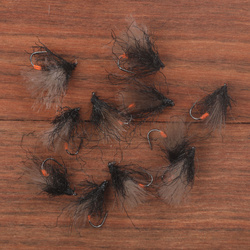
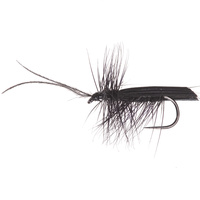



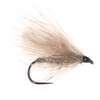

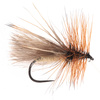
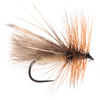
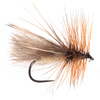

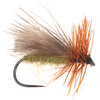
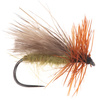
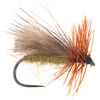
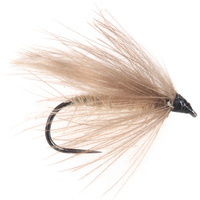

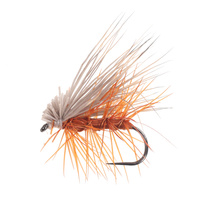
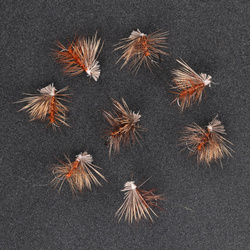
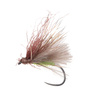
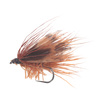
Golden Ribbed Cinamon Elk Caddis


 + 1Opcji
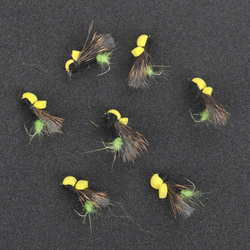
Green Tip Fam and Hair Caddis

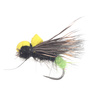

 + 1Opcji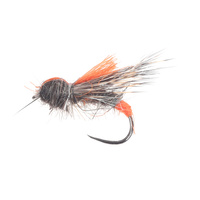
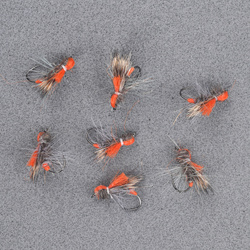
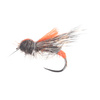
Orange Tip Elk Ind. Caddis

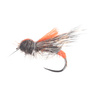
 + 1Opcji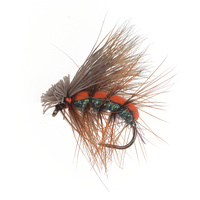
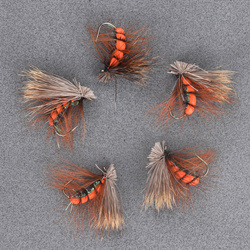
Elk Super Swim Fam Caddis

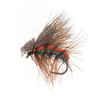
 + 1Opcji

Foam Body Elk Hari Caddis
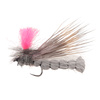
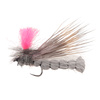
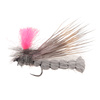

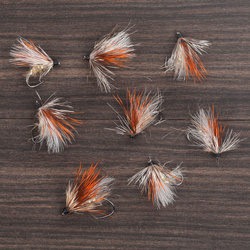
Hair and CDC Wing Caddis

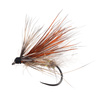

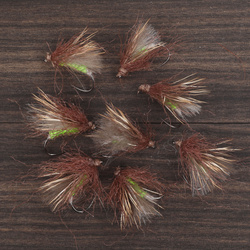
Elk and Fibre Green Body Caddis
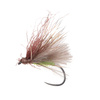

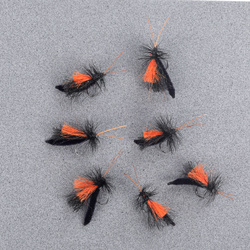
Poly Wings Extended Body Black Caddis
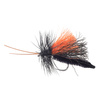
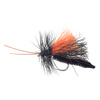 + 1Opcji
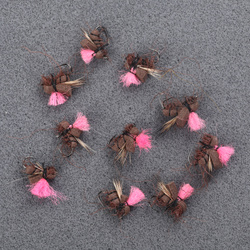
Foam Caddis Pink Indicator

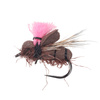

 + 1Opcji
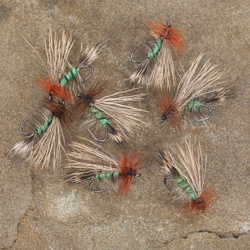
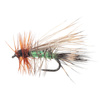

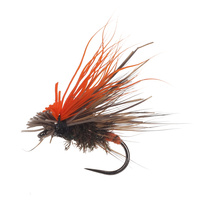
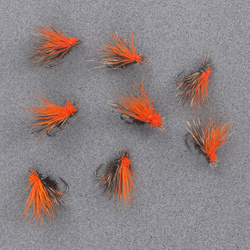
Nat and Orange Elk Caddis


 + 1Opcji
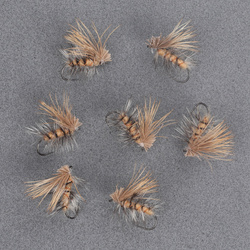


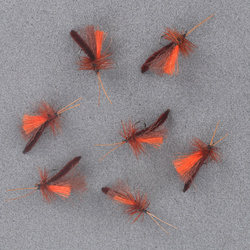
Poly Wings Extended Body Brow Caddis


 + 1Opcji
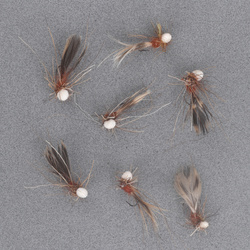
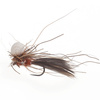
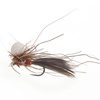
Feathe Wings Caddis


 + 1Opcji
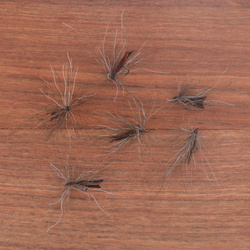
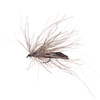
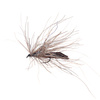
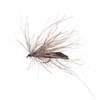
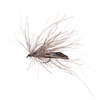
Hair Hacke Brown Caddis
 + 1Opcji
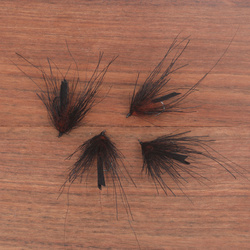
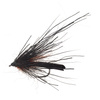
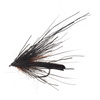
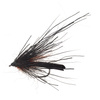
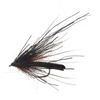
Hair Hacke Black Caddis
 + 1Opcji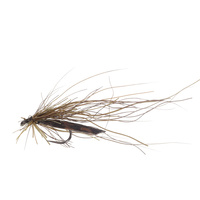
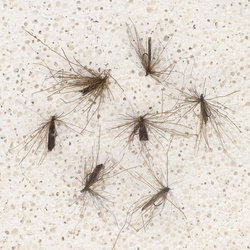
Hair Hacke Spackled Brown Caddis

 + 1Opcji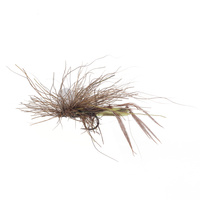
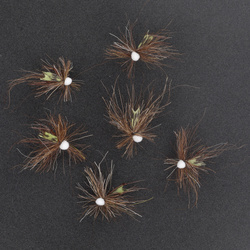
Parachute Hair Nat. Olive Caddis


 + 1Opcji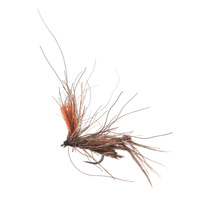
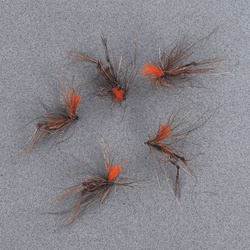
Parachute Hair Orange indicator Caddis


 + 1Opcji
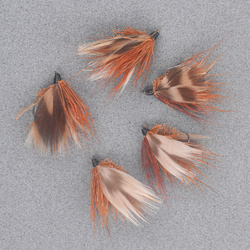
Elk and Feather Caddis


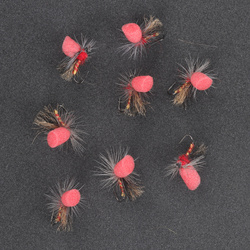
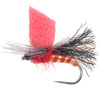
Ping Dot Poly Wings Caddis

 + 1Opcji


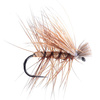

Elk Sedge Brown
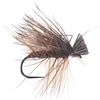
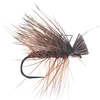

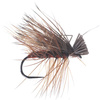 + 1Opcji
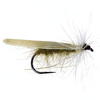
Traditional Tan Sedge


 + 1Opcji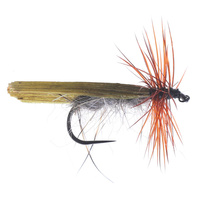
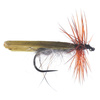
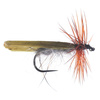
Traditional Olive Sedge


 + 1Opcji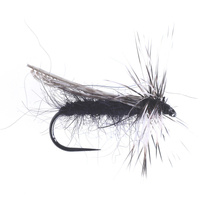
Hackle Wings Black Sedge


 + 1Opcji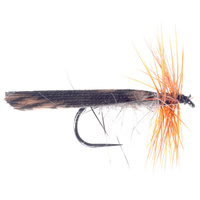
Traditional Dk. Brown Sedge

 + 1Opcji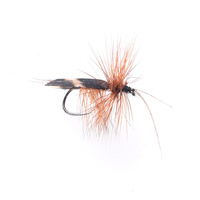


- 1
- 2
Recognising a caddis opportunity
Adult caddisflies often move more actively than mayfly duns. They may run across the surface, flutter, return to lay eggs or become trapped in the film. Trout and grayling can respond with fast, confident takes, particularly around broken water, bankside cover and evening activity. A roof-winged outline is the clearest shared feature of the patterns in this category.
CDC, hair-wing and hackled sedges
- CDC sedges sit lightly and offer a soft, mobile outline. They are useful when a delicate presentation matters.
- Deer- or elk-hair patterns provide a defined wing, useful visibility and enough structure for rougher water or controlled skating.
- Hackled sedges distribute support around the fly and can suggest legs and movement as well as helping the pattern ride at the surface.
- Foam details add buoyancy or visibility, especially in searching patterns, without making every such fly identical in posture.
Dead drift or movement?
Begin with the behaviour you observe. If naturals drift quietly, present the fly without drag. If adult caddis are skittering, a small lift, pulse or controlled skate can be more convincing. Deliberate movement should remain controlled: a fly travelling continuously faster than the current may pull fish up but also produces refusals.
Choosing size and colour
Match the visible wing length and overall footprint before concentrating on minor colour differences. Tan, olive, grey and darker bodies cover many natural appearances, while a bright tag or post can help the angler follow the fly. Carrying more than one size is particularly useful because caddis activity can involve several species at the same time.
When fish take caddis pupae just below the film rather than adults from the surface, move to an emerger or an appropriate subsurface pattern. The rise form and the depth of the take should guide that decision.