
Fly-Tying Fur, Hair, Tails and Zonker Strips
( number of products: 85 )Choose natural hair by its structure and behaviour, not by colour alone. Useful length, taper, underfur, guard-hair stiffness, compressibility and movement after wetting all affect the finished fly. Even two areas of the same skin can serve different purposes.
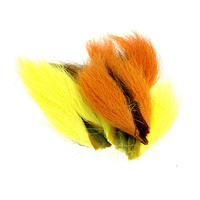
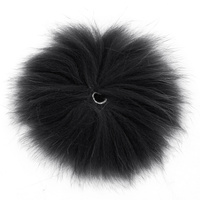
- Fur and hair on the skin provide fibres for wings, spun heads, tails, thoraxes and dubbing.
- Tails include bucktail, fox, squirrel and calf tail for wings and tailing.
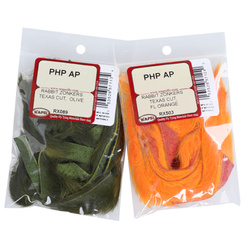
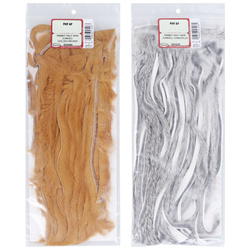
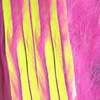
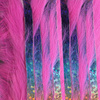
- Zonker strips are strips cut from fur-on skin for mobile streamer wings and wound bodies.
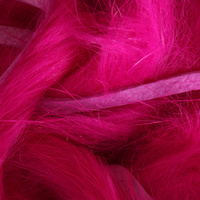





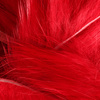




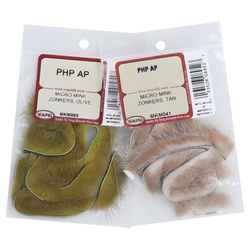


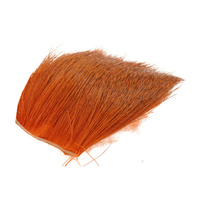
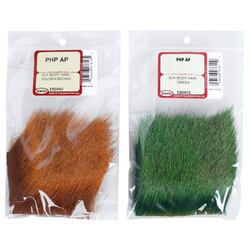


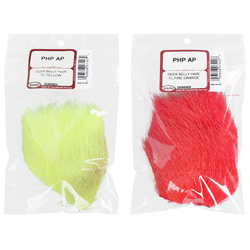








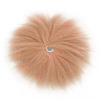
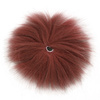

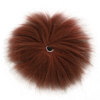
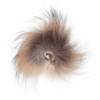

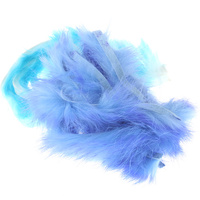




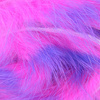
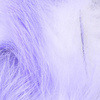

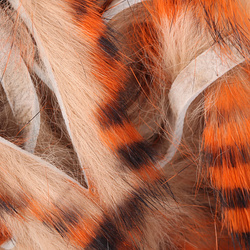


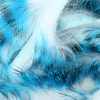


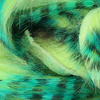
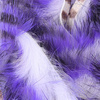


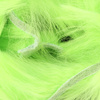
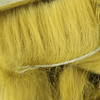
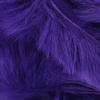


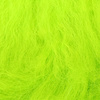


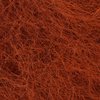


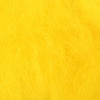

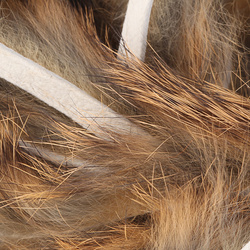



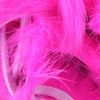
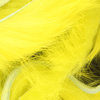
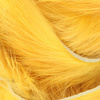

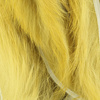




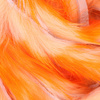

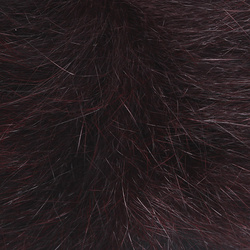



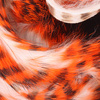
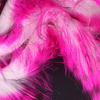

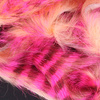
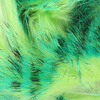
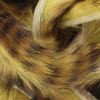

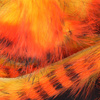
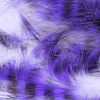
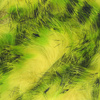


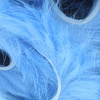
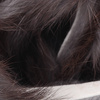


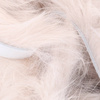


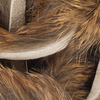

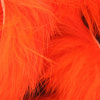
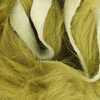
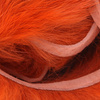
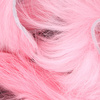
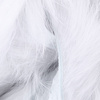
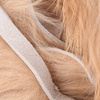
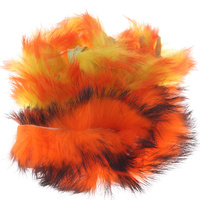




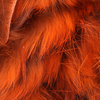
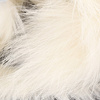

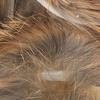
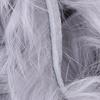
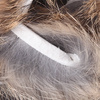
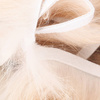
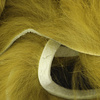
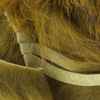
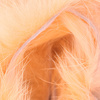







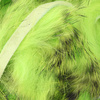
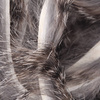


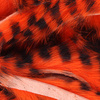
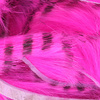
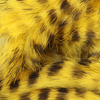



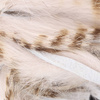


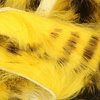
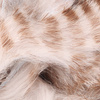
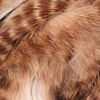

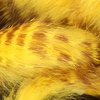











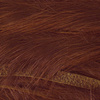
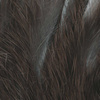
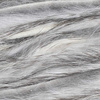
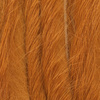
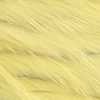
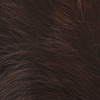
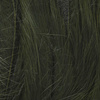
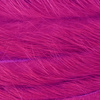

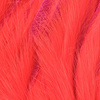
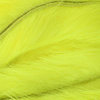

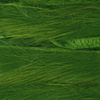
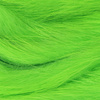

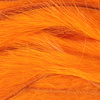
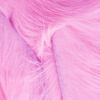
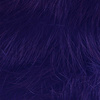
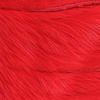
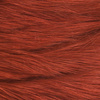
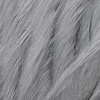
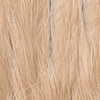
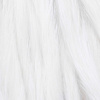

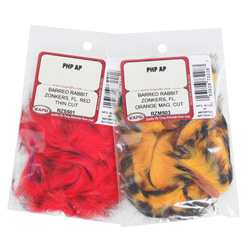

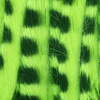

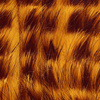
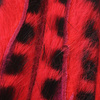


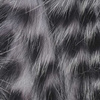
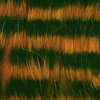
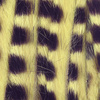
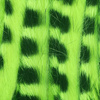
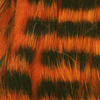
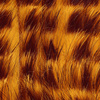


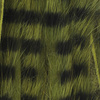
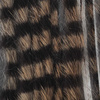
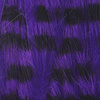
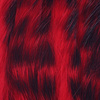
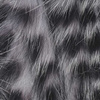
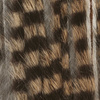
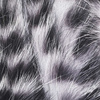
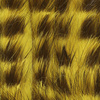

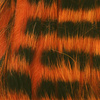
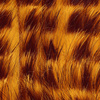
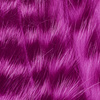
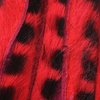

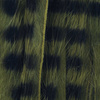

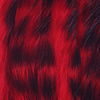
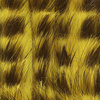


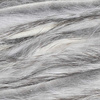
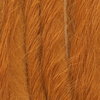
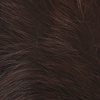

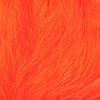
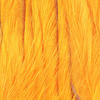
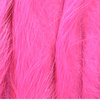
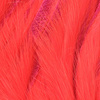
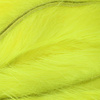


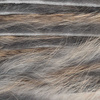
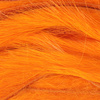



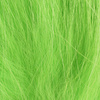

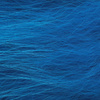
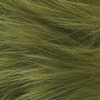
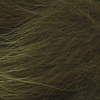


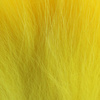

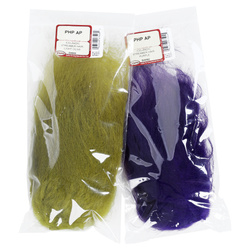


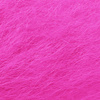


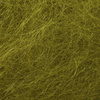




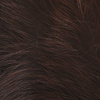
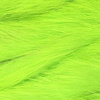
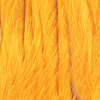


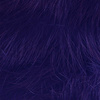

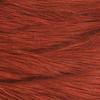


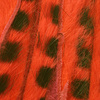

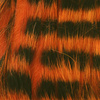
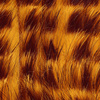
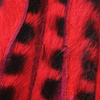
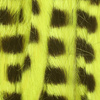
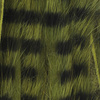
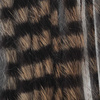



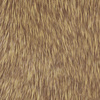

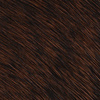

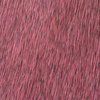

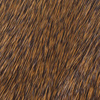



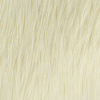

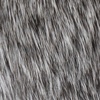


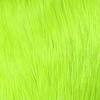
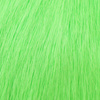

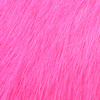




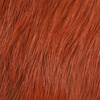


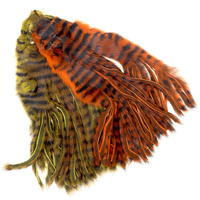


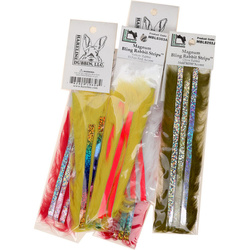




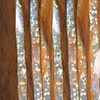
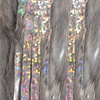


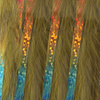


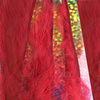


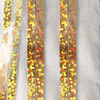

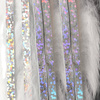

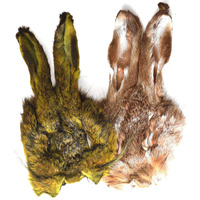
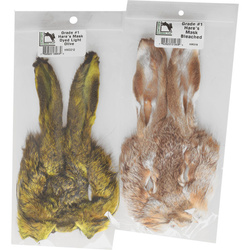



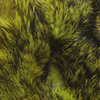
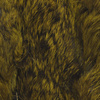


What determines how natural hair works?
The animal species is only the beginning. Hair length and diameter change across the body, as do the amount of soft underfur, the stiffness of the guard hairs and the way a bundle reacts to thread pressure. Body, belly, rump, hock, mask, tail and whole-skin are therefore useful technical descriptions rather than packaging terms.
Elk, moose and deer in fly-tying terminology
In North American fly-tying names, elk normally means wapiti, whereas moose means moose. The distinction matters because the fibres differ in length, diameter and typical use. Deer body and belly hair can contain a pronounced cellular core and may flare under thread pressure; this makes selected patches useful for caddis wings and clipped muddler-style heads. It does not mean that every deer hair behaves identically or that every fly tied with it will float.
Hair for dry flies and clipped heads
For an even wing, look for intact naturally tapered tips, a useful length suited to the hook and a bundle that does not become too bulky at the tie-in point. Remove short underfur before stacking. For a spun or flared head, test whether the fibres spread under controlled thread tension and whether there is enough length to trim the required profile. Several small bundles are easier to control than one oversized bunch.
Hair and fur for streamers
Rabbit, fox, Finn raccoon, opossum and other soft furs collapse and pulse at low speed. Bucktail, goat, yak and other longer or firmer fibres can support the profile and reduce fouling around the hook. There is no single material with the “best action”: skin-backed rabbit fur moves as a continuous strip and carries more water, loose fox fur forms a soft tapered wing, while bucktail retains a clearer outline. Combining a firmer underwing with a softer outer layer often gives both stability and movement.
How to assess a patch or tail
- Useful length: measure the straight, clean fibre rather than the underfur at its base.
- Natural taper: intact tips create a finer wing edge than fibres cut square after tying.
- Underfur: valuable in dubbing, but usually removed from a stacked wing.
- Guard hairs: add outline, translucency, barring and movement.
- Compressibility: test a small bundle under thread instead of relying only on the product name.
- Skin in a zonker: width, thickness, flexibility and cutting direction affect weight and movement as much as fur length.
Preparing hair before tying
- Select a small area with the required fibre length.
- Cut close to the skin without clipping the useful tips.
- Comb out loose underfur and short fibres when making a wing.
- Stack only when the pattern needs an even edge; natural variation can improve a streamer profile.
- Secure small bundles with controlled turns, increasing pressure only after the position is set.
Natural variation and storage
Colour, density, curvature and fibre length vary between natural pieces and dye lots. For a series of matching flies, select enough material from one piece or batch. Store natural materials dry, closed and labelled, inspect them periodically for insect activity and isolate newly acquired fur until its condition is known. Dry used flies before returning them to the same storage area.
Frequently asked questions
Does all natural hair float?
No. Buoyancy depends on the structure of the particular fibre and the complete fly. Rabbit fur and a wet zonker skin behave very differently from selected deer or wapiti hair.
Is loose fur the same as dubbing?
No. Fur on a patch or tail retains full fibres and natural tips. Dubbing is a prepared loose material applied to thread or used in a loop, although fibres from the same animal may be used in both forms.
Is a zonker simply long hair?
No. It is a strip cut from skin with the fur left intact. The skin makes the fibres move together and is an essential part of the material.