
Mayfly and classic dry-fly patterns
( number of products: 65 )This category brings together mayfly imitations and classic dry flies used for rising trout and grayling. The selection includes upright-wing, parachute, spent-wing and general-purpose patterns. Some closely imitate a recognised stage of an insect; others are suggestive flies that present a familiar size, footprint and silhouette without copying one species exactly.
- 1
- 2
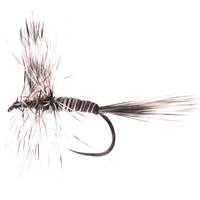



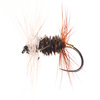
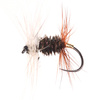


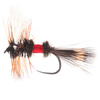

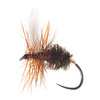


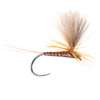
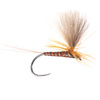
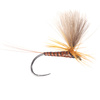
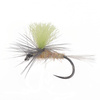
Parachute Quill Body CDC Natural

No Hackle Cinamon Quill

Parachute CDC Hendrickson Pink




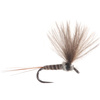



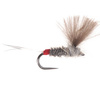
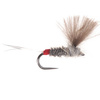

No Hackle Pheasant tail
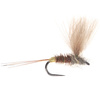
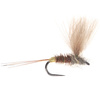

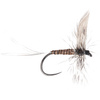

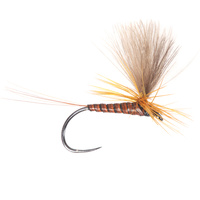
Parachute CDC Red Quill
 + 1Opcji
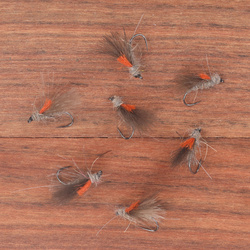
Orange Indicator CDC Hare Body
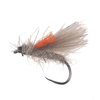
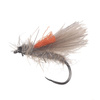

 + 1Opcji
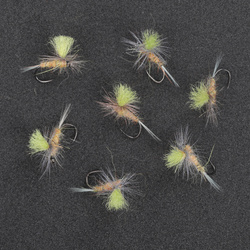
Parachute Poly Wings Tan

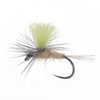

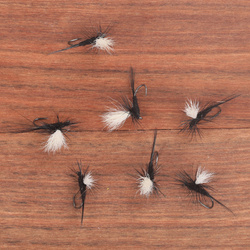
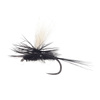
Parachute Calf Wing Black


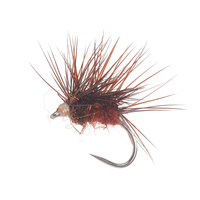
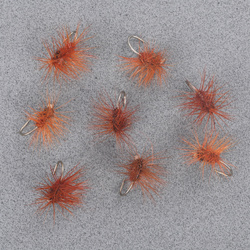


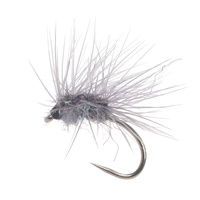
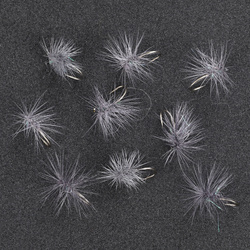


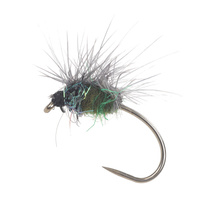
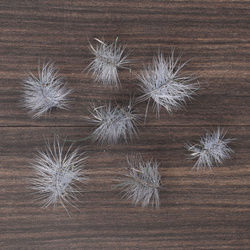
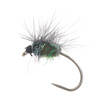

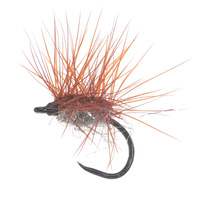
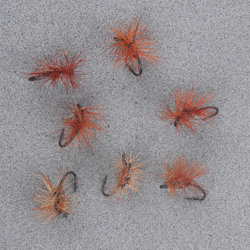
Brown Paraloop


 + 1Opcji

Parachute Faom ind. Dun
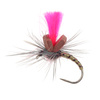


 + 1Opcji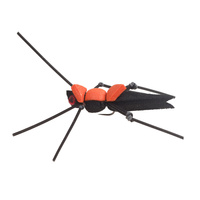
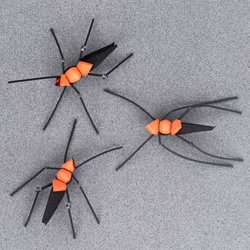
Emerging MayFly Foam Wings
 + 1Opcji
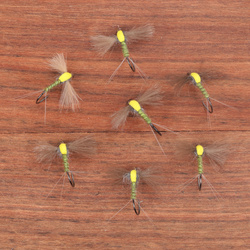
Olive Foam Case Spinner

 + 1Opcji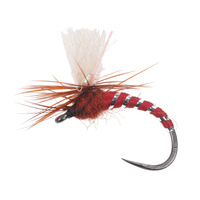
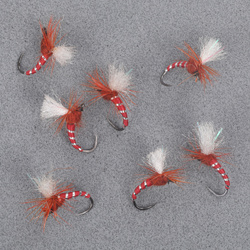
Paracute Red Ribbed Body Emarging Fly

 + 1Opcji
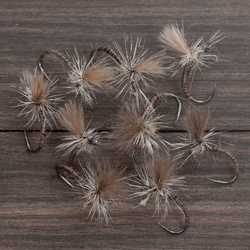
Quill Body Parachute Emerging Fly
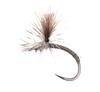


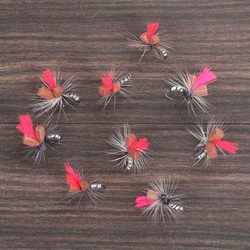
Parachute Tan Foam Fly


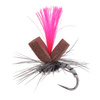
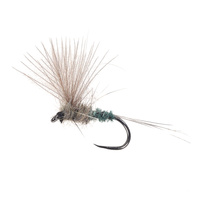
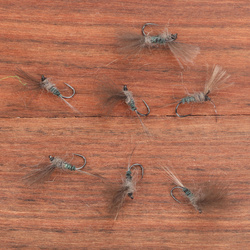
No Hackle Peacock Green

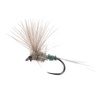

 + 1Opcji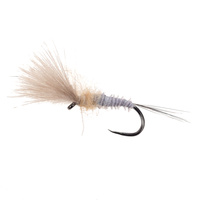
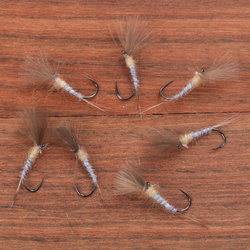
Quill Gray Emarging Fly
 + 1Opcji
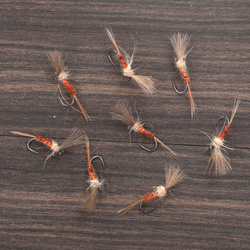
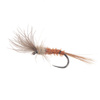
No Hacke Cinamon Guill
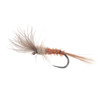
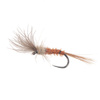
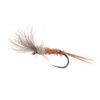
 + 1Opcji
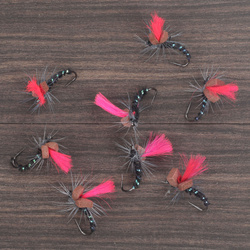
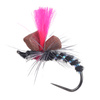
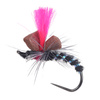
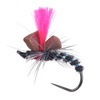
Faom Ribbed Moscqito
 + 1Opcji
- 1
- 2
Mayfly stages and dry-fly profiles
Mayflies reach the surface as emerging insects, then appear as winged duns and later as mature spinners. Spent spinners lie flat with outstretched wings, while dun-style patterns generally show a more upright wing and body. A parachute fly sits differently again: its hackle is wound horizontally around a post, producing a low footprint while leaving the post visible to the angler.
The category also contains established general-purpose dries such as Adams-type patterns and other traditional flies. These are useful when the exact insect is uncertain but the fish are clearly feeding at the surface. Treat their names as pattern families, then use the product image and available size to choose the most suitable version.
How to select a mayfly dry
- Match size: the fly's overall length and footprint are normally more important than a perfect shade match.
- Match posture: select a higher dun-style profile, a low parachute or a flat spent-wing pattern according to what is present.
- Consider visibility: pale or fluorescent posts help the angler track a small fly, but the body and footprint can remain comparatively restrained.
- Account for current: broken water requires stability and visibility; flat glides reward accurate placement and control of drag.
Presentation and leader control
Deliver the fly softly and allow enough slack for a natural drift without losing all contact. Position matters: a good pattern passing outside the feeding lane may receive no response. If refusals continue, change one variable at a time—first drift and position, then size or profile, and only then a finer detail such as colour.
After a fish or several casts, inspect the wings and hackle. Restore the intended shape, remove moisture and apply only a treatment appropriate to the materials. A correctly presented, modestly dressed fly will usually be more useful than an overloaded imitation that no longer sits as designed.