
Fly-Fishing Accessories for Use on the Water
( number of products: 160 )Useful fly-fishing accessories shorten routine tasks and keep essential tools secure and within reach. A practical core usually consists of a tippet nipper, forceps for hook removal and a zinger or safety lanyard. The method may also call for leader holders, fly driers, hook files, landing-net magnets, rod tubes and small tools for preparing a rig.
Choose each item for a defined job rather than carrying every available gadget. Size, corrosion resistance, operation with wet or gloved hands and a secure attachment point matter more than the number of functions printed on the packaging.

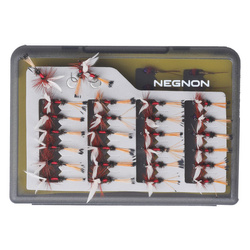

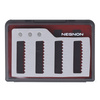

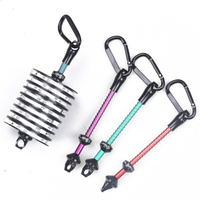
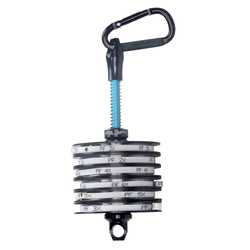
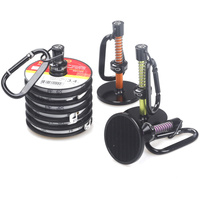
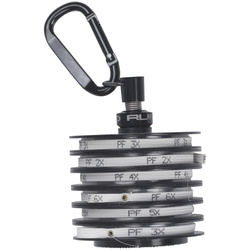





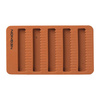
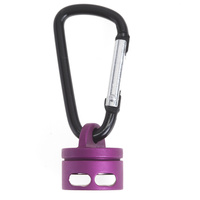
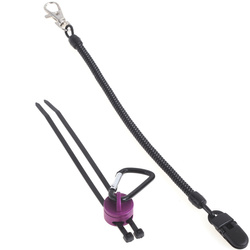


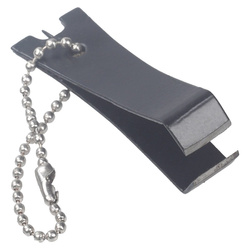

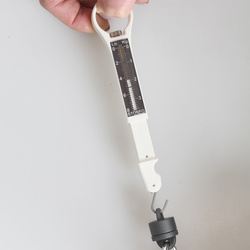


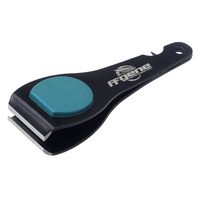
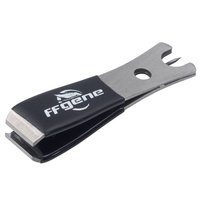
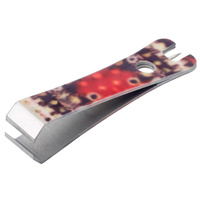





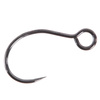


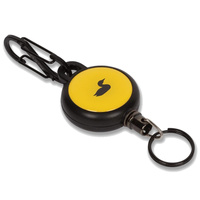

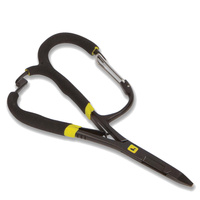


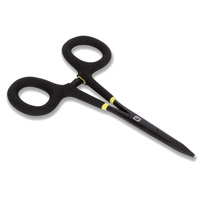

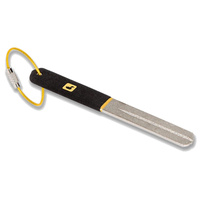
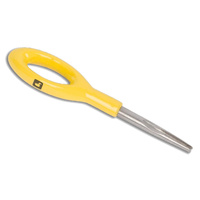
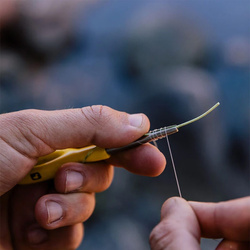
How to choose streamside fly-fishing accessories
Begin with the tasks repeated during an ordinary fishing day: cutting tippet, clearing a hook eye, removing a fly, changing a leader, treating a dry fly and securing tools. Place the most frequently used items where either hand can reach them without looking. Equipment needed only occasionally can stay in a fly box, waist pack or fishing bag.
A compact tool is useful only if it remains controllable when wet. Check the grip, spring action, locking mechanism and the size of any finger loops. Bright or contrasting finishes can make a dropped item easier to find, while a lanyard or retractor prevents many drops in the first place.
Cutting tippet and preparing a leader
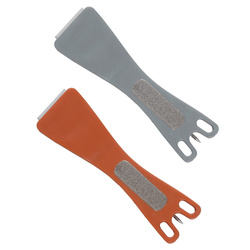
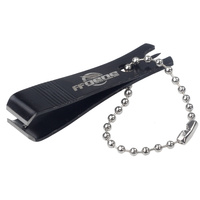
Tippet nippers make a clean cut close to a knot and are normally intended for nylon and fluorocarbon. An edge made for monofilament may not cut braided line or wire safely. Some nippers include an eye-clearing needle, hook file or knot tool, but the basic cutting action should remain comfortable and precise.
After tying a knot, trim the tag end without cutting into the knot itself and test it before casting. Replace or sharpen a tool when it begins to crush and stretch the material instead of cutting cleanly.
Hook removal and hook inspection
Fishing forceps and hemostats provide controlled access to a hook. Fine straight jaws work well with small flies; longer or curved jaws improve reach where the hook is less accessible. A locking clamp can hold the hook without continuous finger pressure, while conventional pliers may be quicker for larger components.
Use the tool on the hook rather than squeezing soft tissue. Support the fish in water whenever possible, control the hook point and turn it back along the path by which it entered. A hook file restores a dulled point; a bent, cracked or deeply corroded hook should be replaced.
Zingers, lanyards and magnetic holders
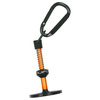
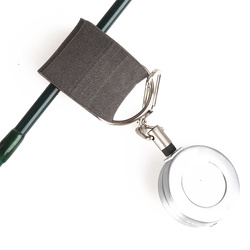
Zingers and retractors keep light tools attached while allowing them to extend for use. Match the retraction force and cable length to the item. A powerful retractor can pull a delicate tool back abruptly, while an overloaded one may not retract completely.
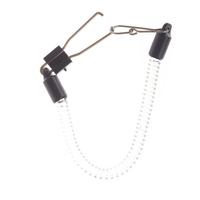
Coiled safety lanyards suit larger items that do not need automatic return. Magnetic net holders release under a deliberate pull and reconnect quickly, but their stated holding force should suit the net and the way it is carried. Attach every system to a sound point on the vest, jacket or pack.
Dry-fly treatment and drying
A dry fly that has absorbed water can be rinsed when necessary, squeezed gently in an absorbent patch or amadou and allowed to recover before a compatible floatant is applied. Desiccant powders remove residual moisture from suitable flies; gels and liquids treat particular fibres or finished patterns. One preparation does not suit every natural, synthetic or CDC material, so follow its intended use.
Organisation, tubes, bags and boxes
Frequently used tools should not cross the casting path or hang where they catch fly line. Fly boxes organise patterns, while fishing bags and rod tubes protect larger equipment in transport. A leader wallet or spool holder prevents coils from opening and helps separate diameters.
A useful minimum for general trout fishing is a nipper, forceps, one secure carrying method and the leader or tippet required by the method. Add a hook file, fly treatment, thermometer, net attachment or specialist tool only where it solves a real task.
Streamside tools and fly-tying tools are not the same group
Some items can serve both purposes, but a tying vice, bobbin holder and whip-finishing tool belong at the bench. Streamside equipment should tolerate water, remain easy to operate and have a safe carrying position. Avoid hanging exposed points or scissors where they can injure the angler or damage clothing.
Care
Rinse tools after saltwater use and remove sand, silt and organic residue. Dry them before closing a box or bag. Check hinges, cutting edges, cables, magnets and attachment rings regularly. Stainless steel resists corrosion; it is not immune to it, particularly after exposure to salt.
Browse task-specific sections for forceps, nippers, zingers and small fishing accessories.