
Fly-Tying Materials, Hooks and Tools
( number of products: 1589 )Fly tying brings together hook geometry, thread control and materials chosen for a specific silhouette and behaviour in the water. Taimen's range has been developed over more than two decades for dry flies, emergers, nymphs, wet flies, streamers, salmon flies and predator patterns.
Start with the fly and its intended size, then choose the hook, weight, structural thread and materials for body, wing, tail or legs. This order prevents attractive materials from dictating proportions that no longer suit the pattern.































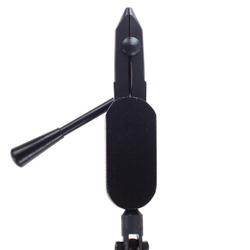


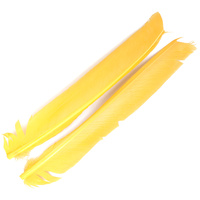
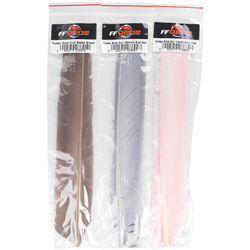


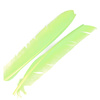


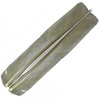

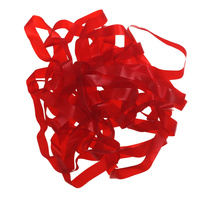
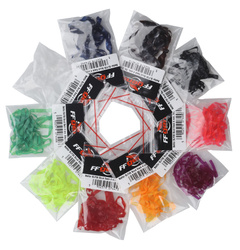


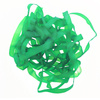

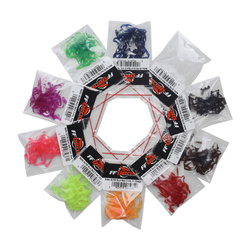
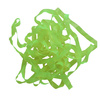

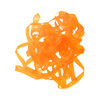




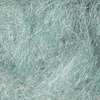
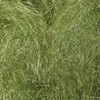

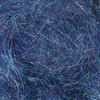
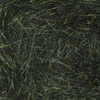
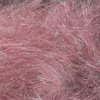
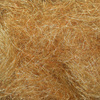
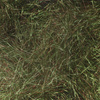
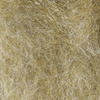
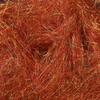
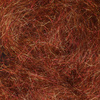
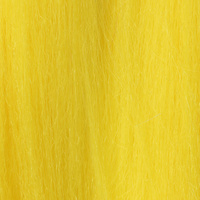
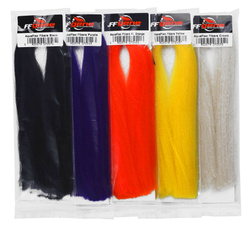






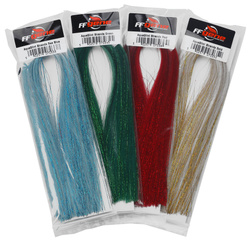

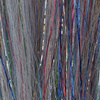

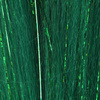


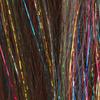

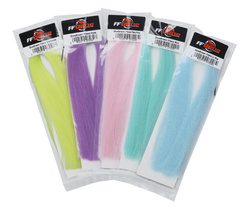



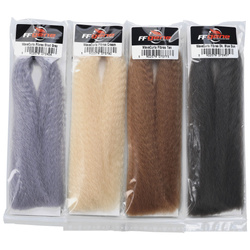




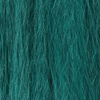


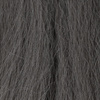
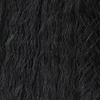
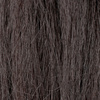


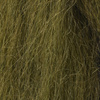


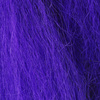

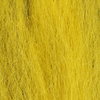
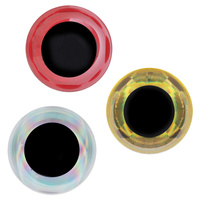


















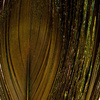
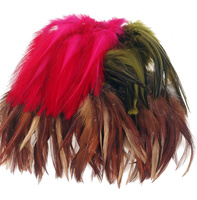
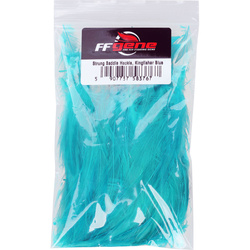




















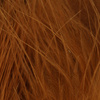
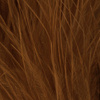
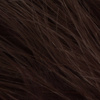
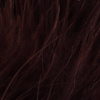
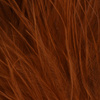

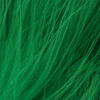

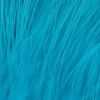
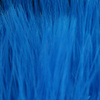

































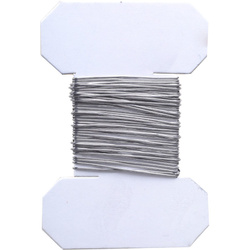

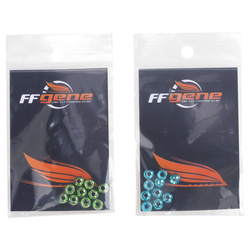

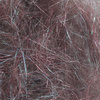

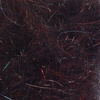


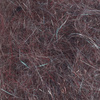

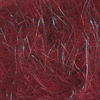



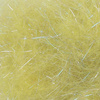
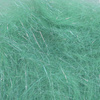
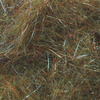
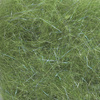
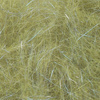

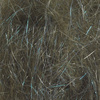
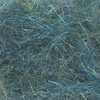
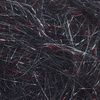
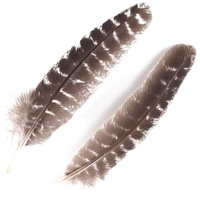
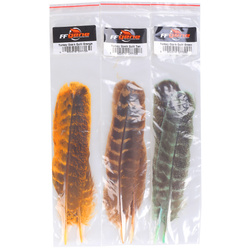
























































A practical map of fly-tying materials
The name on a packet is only the first clue. Fibre length, stiffness, taper, translucency, density, water absorption and response to thread pressure determine what a material can do. A useful substitute therefore matches the function, not merely the colour.
Hooks: the foundation of the fly
Choose hook geometry before building the body. Wire diameter affects mass and strength; shank length defines body space and leverage; bend and gape must remain suitable after materials are added. Nominal hook sizes are not fully standardised between models or manufacturers. Compare the actual shape and, when used, check bead compatibility with the precise hook.
Beads, heads and eyes
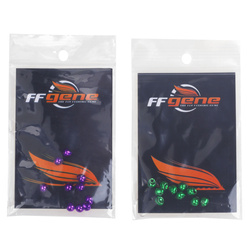
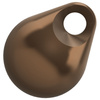
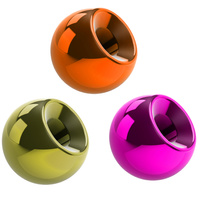
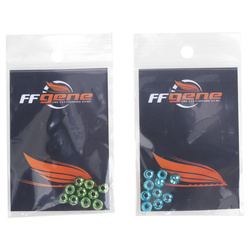
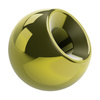
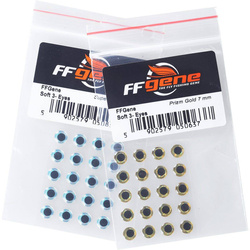
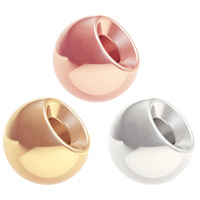
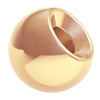
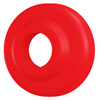
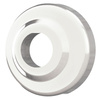
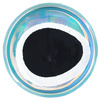
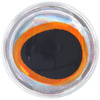
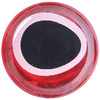
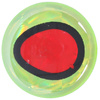
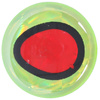
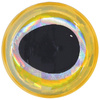
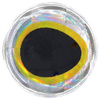
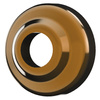
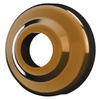
Beads, cone heads and eyes add weight, shape or a visual target. Hole or slot, outside diameter and material all matter. A bead must pass the eye and bend, sit correctly behind the eye and leave enough gape. Brass, tungsten, glass and plastic do not provide the same mass at the same apparent size.
Thread, tinsel and body materials
Tying thread secures the construction; wire and tinsel form ribs, reinforcement, reflection or weight; floss, quill, yarn, chenille and braid create the visible body. Thread sizes expressed in the /0 system and terms such as small or medium are range-specific rather than universal dimensional standards.
Feathers
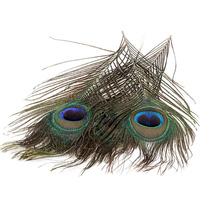
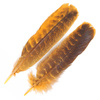
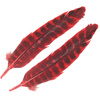
Fly-tying feathers provide hackle, tails, wings, cheeks and mobile collars. Stiff dry-fly hackle, soft hen or game-bird fibres, marabou, CDC and long streamer feathers have different jobs. Choose usable fibre length and web as carefully as colour.
Fur, hair and dubbing
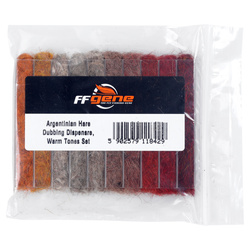
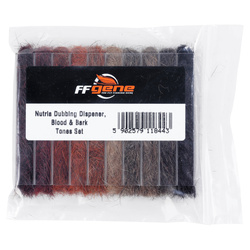
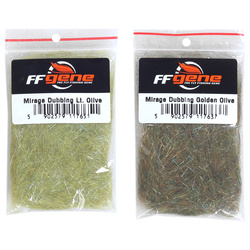
Fur and hair may provide tapered wings, spun heads, streamer movement or dubbing fibre. Underfur and guard hair have distinct roles, and the area of the skin changes the material. Dubbing ranges from fine dry-fly fibres to coarse natural blends and long reflective streamer materials; apply the least amount that creates the required profile.
Synthetic materials
Flash adds controlled reflection, foam creates buoyant volume, stretch film forms smooth backs and wing cases, and synthetic tailing or wing fibres provide repeatable length and stiffness. Mylar tubing and braid form woven reflective bodies and should not be confused with loose flash.
Tools and control
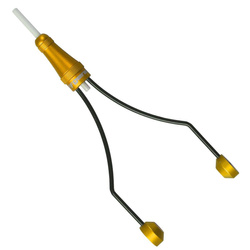
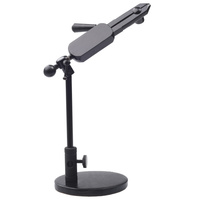
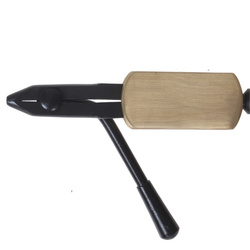
A vice must hold the hook securely and provide access at useful angles. A bobbin holder controls thread delivery, scissors make the cut required by the material, and finishing tools close the head. Specialist tools improve repeatability, but they do not replace correct thread tension and material preparation.
How to plan a new fly
- Identify the insect, prey or attraction and the depth at which it should fish.
- Select hook shape, size and wire.
- Add only the weight required for the intended depth and presentation.
- Choose structural thread appropriate to hook size and tying pressure.
- Build the body from the inside out, preserving taper and hook gape.
- Add wing, hackle, tail and visual accents in controlled quantities.
- Wet the completed fly and examine its true profile before changing the recipe.
Natural and synthetic are tools, not opposing camps
Natural materials provide taper, varied texture and organic movement. Synthetics offer repeatable colour, controlled stiffness, buoyancy or reflection. Many effective flies combine them: a firm synthetic or bucktail support limits fouling, while soft fur or feather supplies movement.
Buying a kit or selecting individual materials
Fly-tying kits provide a coordinated starting point. Individual materials are better when a specific pattern, hook range or colour is already known. A sensible first bench needs reliable thread control, sharp scissors, a secure vice and materials for a small number of proven patterns rather than one of every available material.
Care and storage
Keep natural materials dry, closed and regularly inspected. Store long fibres without crushing them and protect reflective films from abrasion. Keep adhesives away from tool joints and cutting edges. Label divided or blended materials while their identity is still known.
Frequently asked questions
Can one material be replaced by another?
Yes, when the substitute matches the required length, stiffness, taper, density, movement and optical effect. Matching only colour is rarely enough.
What should a beginner tie first?
Choose two or three patterns used on local water and learn thread control, proportion and finishing. A small purposeful selection teaches more than a large unstructured collection.
Do more complicated flies catch more fish?
Not inherently. Presentation, size, depth and a clear working silhouette normally matter more than the number of materials.