
Fishing Base Layers and Underwear for Wading
( number of products: 8 )Fishing underwear is the first layer of the clothing system: it takes moisture from the skin and transfers it towards the layers above. It is not only for warmth. A light technical top helps during an active approach, while a heavier base layer can add insulation in cold water.
Choice depends on activity, temperature and the clothing worn above. Synthetics and merino behave differently, but both should fit without compression or heavy folds. Beneath waders, moisture may be produced faster than the system can transfer it, so the base layer manages dampness but cannot guarantee completely dry skin.
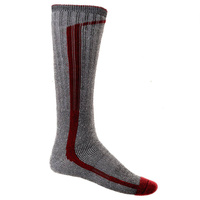
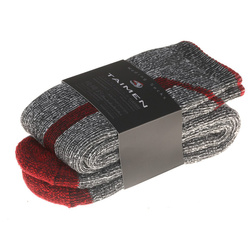
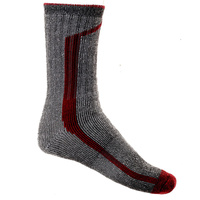
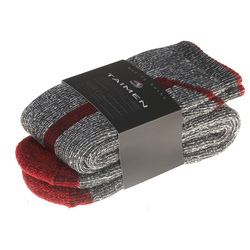

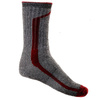


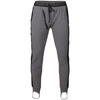

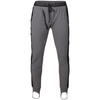

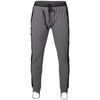
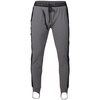
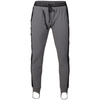

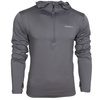
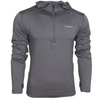
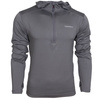
Taimen Polartec Power Stretch Lightweight Hooded Fleece Jacket - Goryla Gray



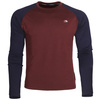
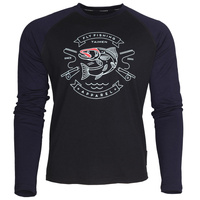

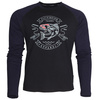


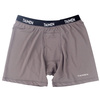

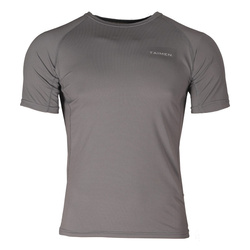
What is a base layer?
A base layer is worn directly against the skin. Its first job is to spread and move perspiration so that evaporation and further transfer can occur. Its second job may be insulation. These functions depend on fibre, fabric structure, thickness and fit.
Breathable clothing is a system. Moisture cannot move efficiently when the next layer is already saturated or when a tight garment compresses the structure. Ventilation and adjusting insulation before strenuous walking remain important.
Synthetic base layers or merino?
| Material | Typical strengths | Points to consider |
|---|---|---|
| Synthetic | Fast drying, durable, available in many structures and weights | Odour retention and skin feel vary with the fabric |
| Merino wool | Broad temperature comfort, useful insulation when damp, natural odour resistance | Usually slower drying and requires fibre-appropriate care |
| Blend | Balances drying, feel, stretch, durability and odour management | Performance depends on percentages and fabric construction |
Neither fibre is universally better. For high-output activity and rapid washing, a light synthetic may be practical. For long wear across changing activity, merino or a blend may be preferred. Skin sensitivity and the exact knit also influence comfort.
Choosing fabric weight
A light base layer suits warm weather and strenuous movement. Mid-weight underwear adds insulation for cool water and mixed activity. Heavy base layers are intended for cold conditions but can cause excessive perspiration during an approach. No fabric weight has a universal temperature rating because metabolism, wind, immersion and the remaining layers differ.
How should it fit?
The fabric should maintain contact with the skin without restricting breathing, circulation or movement. Loose folds reduce efficient moisture transfer and can create pressure beneath waders or a backpack. Seams should avoid high-friction areas, and waistbands and cuffs should remain flat.
Raise the arms, squat and imitate the movements used while wading. A top should stay covered at the lower back; leggings should not pull at the knees or gather inside socks.
Upper and lower base layers
A long-sleeved top adds coverage and works smoothly beneath a mid-layer. Short sleeves can be comfortable in warmth but may leave a damp edge beneath the next layer. Base-layer leggings or long johns provide an even surface under insulating trousers. Ordinary boxer seams and heavy waistbands can form pressure points inside chest waders.
Socks, stockingfeet and circulation
Socks should move moisture, insulate without excessive bulk and fit smoothly inside the neoprene stockingfoot. Neoprene transfers very little vapour compared with a breathable leg laminate, so damp socks are common even without a leak. Two thick pairs are not automatically warmer: if they compress the foot, reduced circulation can make it colder.
Seat the stockingfoot without folds and choose wading boots with enough room for the intended socks. Toes should move freely and the heel should remain secure.
Why can it feel damp beneath waders?
The body produces perspiration, some of which remains liquid or condenses on cooler surfaces. Immersion changes the temperature and humidity around the laminate, while the stockingfeet are effectively non-breathable. A suitable base layer moves liquid away from the skin and spreads it; it cannot make moisture cease to exist.
Uniform dampness after an active session is usually perspiration and condensation. A repeatable local wet patch at the same seam or area of the waders is more suggestive of a leak.
Building the clothing system
- Select the base layer for activity and water temperature.
- Add a mid-layer providing the required insulation.
- Leave enough room in the waders and boots for movement and circulation.
- Use a waterproof shell above the system in rain and wind.
- Carry a dry spare layer where becoming wet would create a safety problem.
Washing and care
Wash base layers often enough to remove body oils and salts that affect comfort and fibre performance. Follow the stated temperature, programme and detergent. Do not use fabric conditioner where prohibited. Wash wool with a suitable process, reshape where instructed and dry every item fully before storage.
Frequently asked questions
Does every technical base layer keep you warm?
No. Very light products primarily manage moisture; insulation increases with fabric structure and weight.
Is merino always better than synthetic material?
No. Each has different strengths in drying speed, durability, odour management and feel. The fishing conditions and care routine determine the better choice.
Should cotton be worn beneath a base layer?
No additional cotton T-shirt is normally needed. It can absorb moisture and interrupt the transfer for which the base layer was selected.
Do damp socks prove that the waders leak?
No. Perspiration commonly accumulates inside neoprene stockingfeet. Look for a repeatable local wet area after complete drying before diagnosing a leak.