
Woolly Bugger streamer flies
( number of products: 18 )Woolly Buggers are versatile streamers built around movement and a suggestive food profile. A mobile tail, body and palmered hackle can suggest a leech, small baitfish, large nymph or other prey without copying only one of them. Our range includes bead-head, cone-head, flash-body and conventional versions in natural and high-contrast colours.
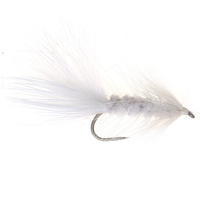


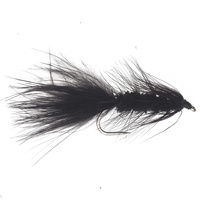
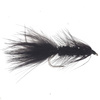
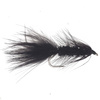
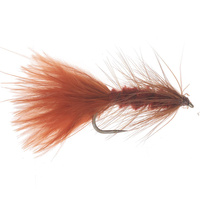
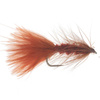
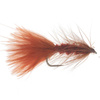
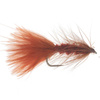

Cone Head Flash Body Buggers Yellow
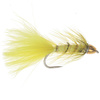
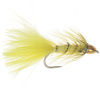


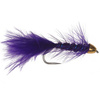
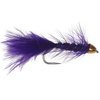
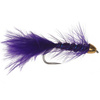
Cone Head Flash Body Buggers Purple

Cone Head Flash Body Buggers Orange

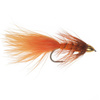
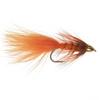

Cone Head Flash Body Buggers Black
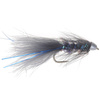

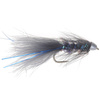

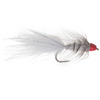
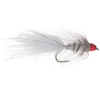
Cone Head Buggers White Red
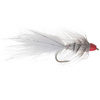

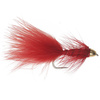
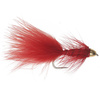
Cone Head Buggers Red Gold


Cone Head Buggers Black Gold
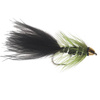
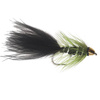


Cone Head Buggers White Chartreuse

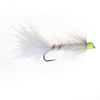

 + 2Opcji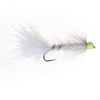

BH Buggers White Silver
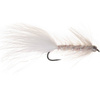
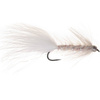
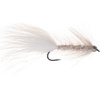
 + 2Opcji

BH Buggers Olive Black
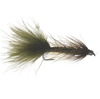
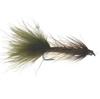

 + 2Opcji

BH Buggers Olive Silver
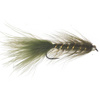
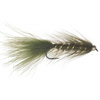

 + 2Opcji

BH Buggers Black Gold

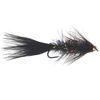

 + 2Opcji

BH Buggers Black Orange


 + 2Opcji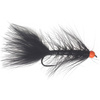

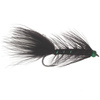
BH Buggers Black Green
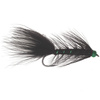 + 2Opcji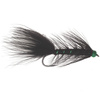

BH Buggers Black Yellow

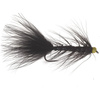

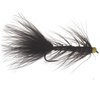 + 2Opcji
Why the Woolly Bugger works in many situations
The pattern combines several useful signals without becoming overly specific. The tail moves during both retrieve and pause, the hackle adds volume and disturbance, and the body creates a clear central profile. This allows one fly family to cover rivers, lakes and a range of target species.
Bead, cone or conventional head?
- Conventional Buggers give the line, leader and dressing the largest role in controlling depth.
- Bead-head versions add moderate concentrated weight and a defined head or flash point.
- Cone-head Buggers generally carry more forward weight and create a different profile and motion during changes of speed.
- Flash-body versions increase reflection while keeping the mobile Bugger outline.
How to fish a Woolly Bugger
In a river, dead-drift the fly into a controlled swing, strip it through deeper pools or pulse it along an edge. In stillwater, count it down and vary short pulls, steady retrieves and pauses. The fly's materials continue to move when it slows, so a pause is an active part of the presentation rather than lost fishing time.
Choosing colour and size
Black, brown and olive provide strong, familiar profiles; white and brighter combinations increase contrast. Select size in relation to the prey and fish, then use head type and line to achieve depth. If a fish follows without taking, try a pause, acceleration or smaller profile before assuming that colour is the only problem.
Check that the tail has not wrapped around the hook and that the palmered hackle remains free. Keeping the materials free and open is central to the movement for which the pattern is chosen.