
Baltic sea-trout flies for coastal fishing
( number of products: 47 )Baltic sea-trout flies cover the prey and attractor profiles used along the coast: shrimp and prawn forms, mysids, gobies, small baitfish and contrasting searching patterns. The selection ranges from restrained grey, tan and olive dressings to pink, orange, fluorescent and reflective flies for changing light, water colour and wave conditions.
- 1
- 2

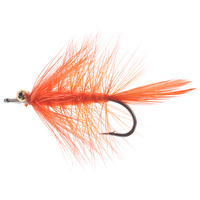


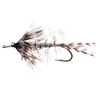
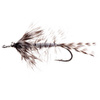
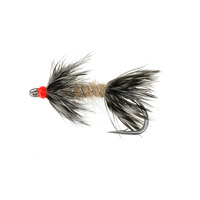
Magnus Grizzly
 + 1Opcji


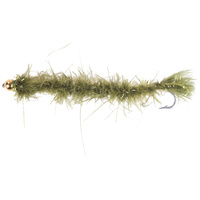

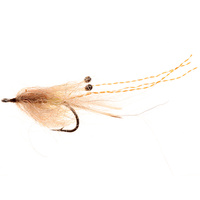
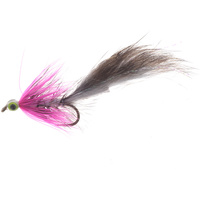
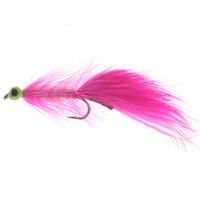


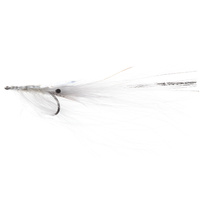
Pattegrisen (Dna-Marabou) White

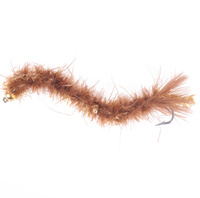
Pattegrisen (Dna-Marabou) Olive


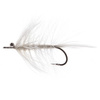
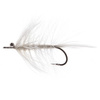
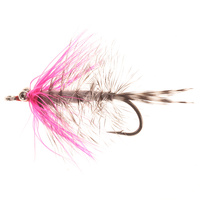
Polar Magnus Grizzly Pink



- 1
- 2
What do Baltic sea-trout flies represent?
Coastal sea trout encounter shrimp, mysids, gobies and small fish across sand, weed, stone and mixed ground. Some flies closely suggest one of these prey forms; others retain the right scale and movement while using a brighter colour or hotspot to remain visible in difficult conditions.
Shrimp, mysid, goby and baitfish profiles
- Shrimp and prawn patterns use translucent fibres, legs and curved proportions to suggest crustacean movement.
- Mysid patterns offer a smaller, lighter crustacean profile for fish feeding on compact prey.
- Goby flies present a bottom-associated fish shape suited to sand, stones and shallow structure.
- Baitfish streamers use flash, a darker back and a pale belly to create a mobile open-water silhouette.
- Attractor flies use stronger colour or contrast when imitation alone is not the main selection cue.
Choosing colour for the coast
Natural grey, olive, cream and sand shades are useful in clear water and bright conditions. Pink, orange and fluorescent accents can be easier to locate in coloured water, low light or active waves. Black and other dark patterns create a strong silhouette around dusk. These are starting points; depth, retrieve and fish location remain decisive.
Retrieve and line control
Vary short strips, steady pulls and pauses. Shrimp and goby profiles often benefit from contact with the lower part of the water column, while mobile baitfish can be searched more quickly. An intermediate line or suitable sinking section can improve depth control, but leader length and fly weight must remain balanced with the water being covered.
Saltwater care and regulations
Rinse flies in fresh water after use, allow them to dry and inspect the hook point and finish. Coastal seasons, protected areas, minimum sizes and permitted tackle vary by country and location, so check current rules before fishing. Use tackle and leader strength that allow a sea trout to be controlled effectively in waves and current.