
Unweighted nymph flies
( number of products: 7 )Unweighted nymphs provide a light, natural subsurface presentation. They are useful in shallow water, slow currents, the upper layers of lakes and situations where a heavy bead would make the fly descend or land too aggressively. The selection includes scuds, caddis forms and other slim or softly dressed nymph patterns.

Natural Flashback Scud
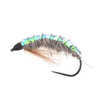
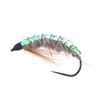
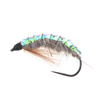

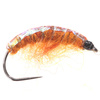
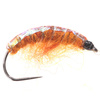
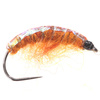

Czech Ribbed Nymph Pink/Gray
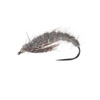
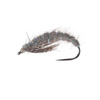
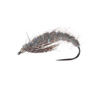

PL Caddis Case green Nymph Natural
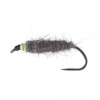
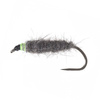
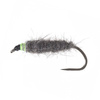

PL Caddis Case green head Nymph
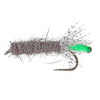
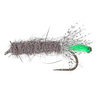
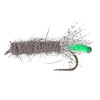

PL Caddis Case Peeping Natural
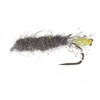
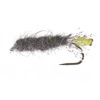
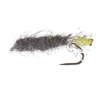

Deli Shrimp Grey (207)
Why choose an unweighted nymph?
Removing concentrated weight allows the fly to respond readily to current, leader movement and small changes in tension. It can enter the water quietly and drift above weed or shallow structure. The absence of a bead also preserves a more continuous head and thorax profile where that appearance matters.
Controlling depth without a weighted fly
Unweighted does not mean restricted to the surface. Leader length and diameter, sinking line or sink tip, cast angle and time all affect depth. Where rules permit, the fly may be fished behind a heavier point fly or beneath a buoyant dry. Additional split shot is another regulated method on some waters; check before using it.
Useful situations
- Shallow riffles and margins: a light fly is less likely to catch the bottom immediately.
- Slow glides: subtle movement and a restrained profile can be maintained without a prominent bead.
- Stillwater upper layers: the fly can be suspended or retrieved slowly without dropping rapidly below feeding fish.
- Multi-fly casts: an unweighted dropper can work at a different level from a weighted point fly.
Presentation and take detection
Because the fly is light, excess line drag can have a large effect on its path. Mend carefully, maintain controlled slack and watch the leader, indicator or dry fly for pauses. In stillwater, use a slow figure-of-eight, gentle lift or static presentation and keep enough contact to register a take.
Choose size and form from the available food, then use the leader and cast to solve the depth. If the target zone cannot be reached consistently, move to a weighted or bead-head nymph rather than overcomplicating the leader.