
Terrestrial flies: beetles, ants, hoppers and spiders
( number of products: 30 )Terrestrial flies imitate land insects that fall, jump or are blown onto the water. Beetles, ants, hoppers and spider-like attractors are especially useful near vegetation, under overhanging banks and during warm or windy weather. Foam, hair, rubber legs and visible indicator details create robust outlines that can be presented deliberately close to cover.
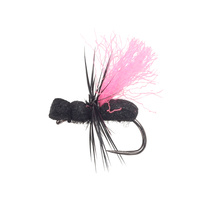
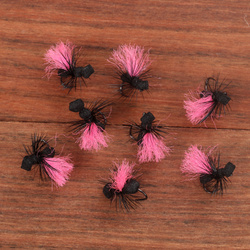
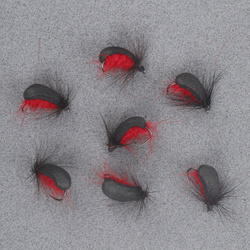
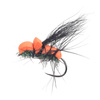
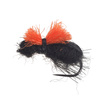
Fl Pink Indicator Black Ant
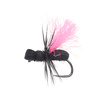
 + 1Opcji
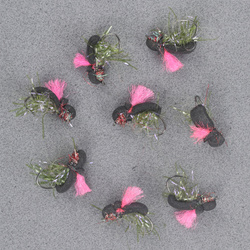
Crystal Biody Black Foam Beetle


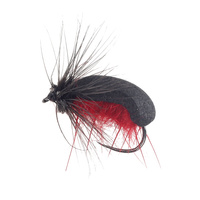



Lady Rubber Legs Olive


 + 1Opcji
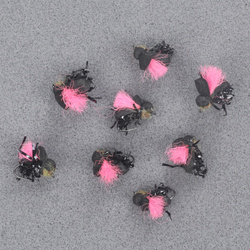
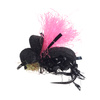
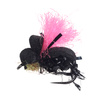
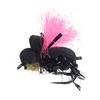
Pink Indicator Black Beetle
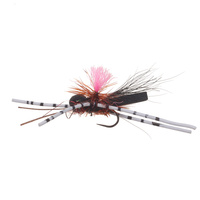
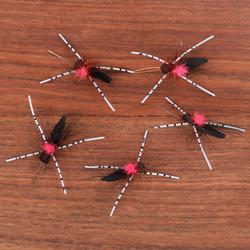
Tarantula Legs Black Foam Hopper

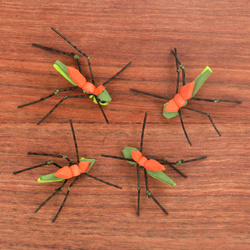
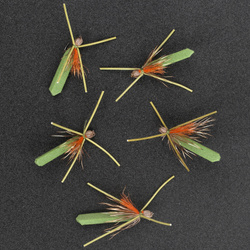
Black Legs Green Hopper


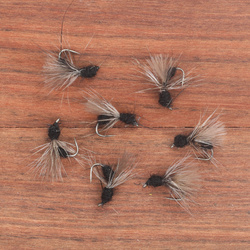
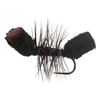
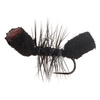
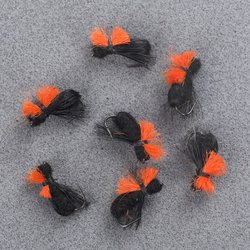
Red Dot Foam Body Balck Ant

 + 1Opcji
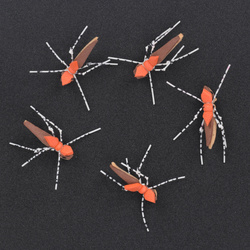
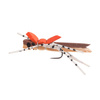
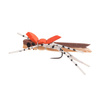
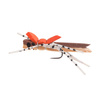
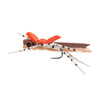
Tarantula Legs Tan Hopper
 + 1Opcji
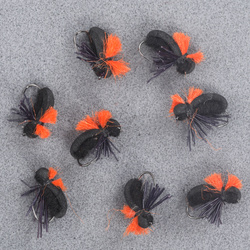
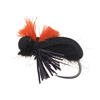
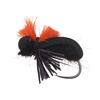
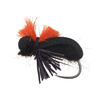
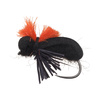
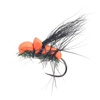
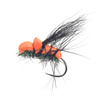
Orange Indicator Black Foam Beetle
 + 1Opcji
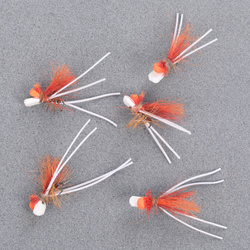
White Legs Orange Beetle
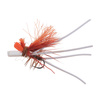 + 1Opcji
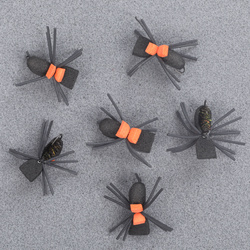
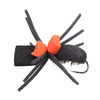


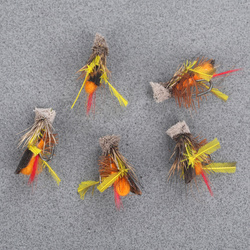


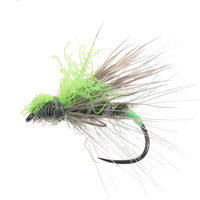
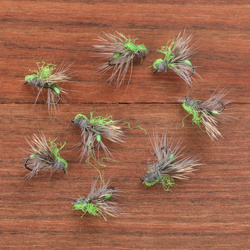
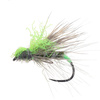
Green Tag Deer Wing Beetle

 + 1Opcji




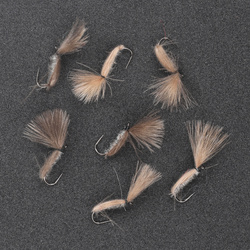
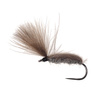
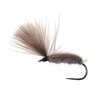
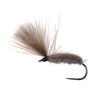
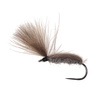
CDC Beetle Brown
 + 1Opcji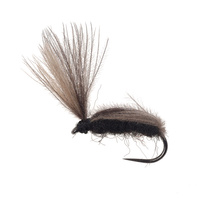
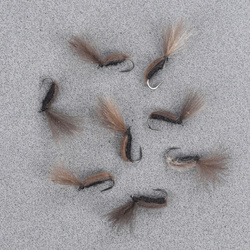
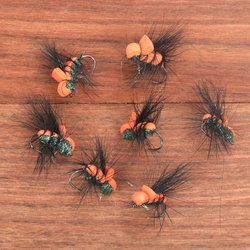
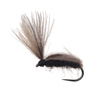
CDC Beetle Black

 + 1Opcji
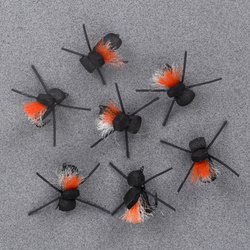
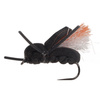
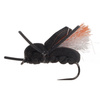
Rubber Legs Indicator Black Beetle
 + 1Opcji
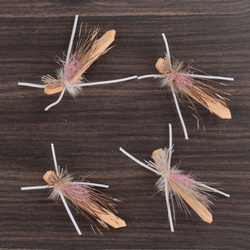
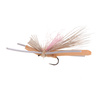
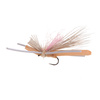
Pale Pink Foam Hopper
 + 1Opcji
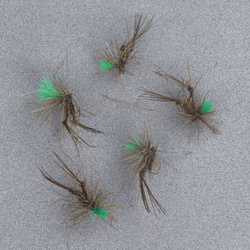
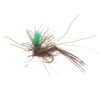
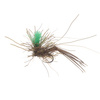
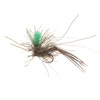
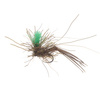
Phrasant Tail Body Poly Wings Hopper
 + 1Opcji
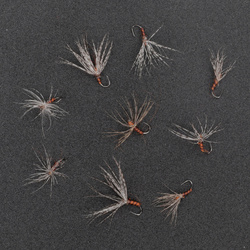
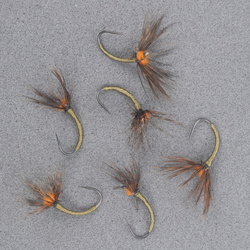
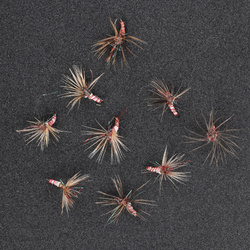
Tenkara Orange Ribbed Black Spider

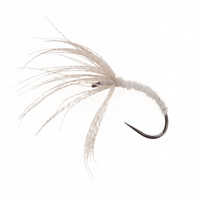
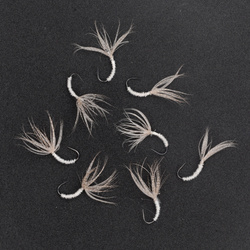
Tenkara Cream Spider
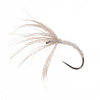
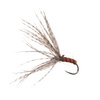 + 1Opcji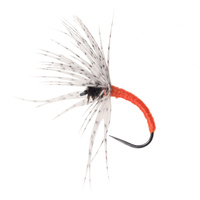
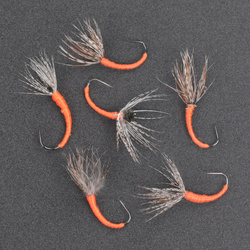
Tenkara Peacock Rib Orange Spider

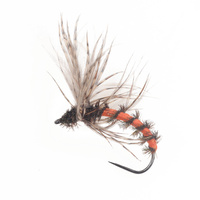
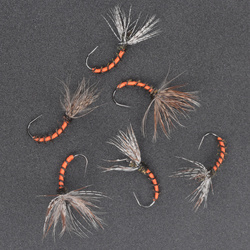


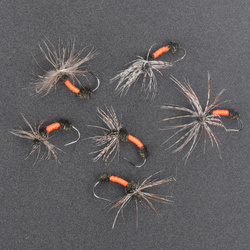
Tenkara Peacock and Orange Spider







Why terrestrial insects matter to fish
Terrestrials do not follow an aquatic hatch schedule. Their importance grows when active insects are present along the bank and wind carries them onto the water. A single beetle or ant can be a concentrated food item, while a hopper creates a much larger disturbance. This makes terrestrial fishing both a response to observed feeding and a practical searching method when little aquatic activity is visible.
Choosing the right terrestrial profile
- Beetles have a compact, rounded outline and often sit low despite a buoyant foam body.
- Ants are defined by a narrow waist between body sections. Small ant patterns can be effective when fish refuse larger flies.
- Hoppers present a longer body and prominent legs. They suit banks, grass margins and water where a larger surface signal is useful.
- Spider and rubber-leg attractors use a recognisable terrestrial silhouette and movement rather than copying one insect precisely.
Placement, movement and visibility
Cast close enough to likely cover to make the presentation credible, but allow room for a clean drift and safe hook set. A gentle plop may be useful with a hopper or beetle because natural terrestrials often enter the water awkwardly. After landing, begin with a natural drift; occasional restrained movement can suggest struggling legs.
Many foam terrestrials include a bright indicator because the dark body itself can be difficult to see against reflections. The indicator is primarily for the angler. Select its visibility according to light and distance while keeping the fly's overall size appropriate for the water.
Terrestrials in a two-fly presentation
A buoyant terrestrial is sometimes used to support or indicate a light nymph beneath it. Whether this is permitted depends on local rules, and the dry fly must have enough buoyancy for the chosen dropper. Treat this as a presentation option rather than the only way to fish terrestrials: a single fly placed accurately along the bank remains one of their strongest uses.