
Wet flies for trout and stillwater fishing
( number of products: 21 )Wet flies are subsurface patterns commonly fished on a drift, swing or controlled retrieve. Soft hackles, traditional wings, tinsel bodies and mobile fibres suggest drowned adults, emerging insects or general aquatic food. Our selection includes established river and loch-style patterns such as Invicta, Bibio, Blue Zulu, Alexandra and other traditional designs.
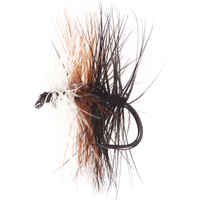

Mayfly Olive Hackled (1)

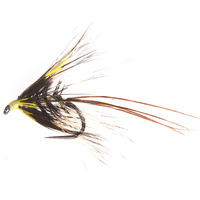
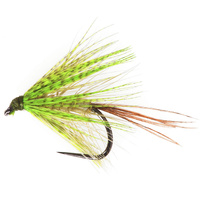
Mayfly Guinea Foul Hackled Yellow (1)


Mayfly French Partridge Hackled (1)

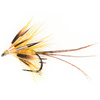

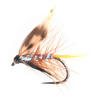
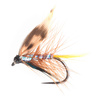

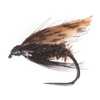
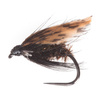


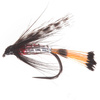
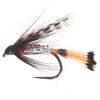
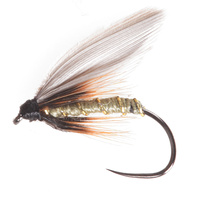
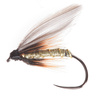
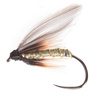
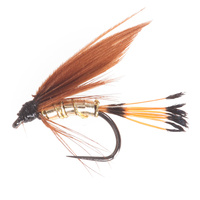


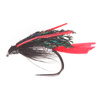
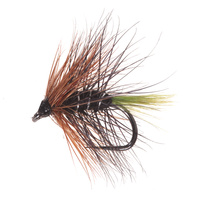
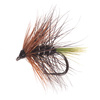
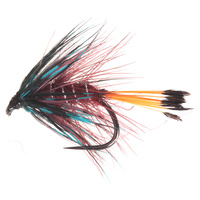
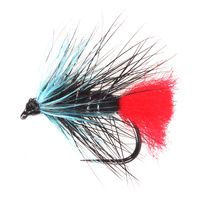

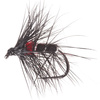

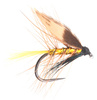
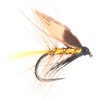
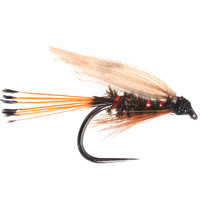
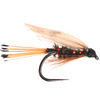
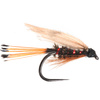
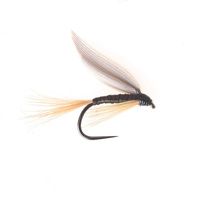
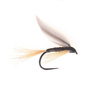


Bumble Golden Yellow (1)
What distinguishes a wet fly?
A wet fly is designed to travel below the surface, but it need not be heavily weighted or close to the bottom. Its hackle and wing respond to current and line tension, often creating movement with little active retrieve. Some patterns are recognisable imitations; many are suggestive designs whose proportion, colour and motion matter more than exact anatomy.
Soft-hackle and winged wet flies
- Soft-hackle flies use mobile feather fibres around the thorax. They open and close as current or retrieve speed changes.
- Winged wet flies carry paired or matched wing materials that preserve a defined silhouette during the swing.
- Loch-style patterns often combine palmered hackle, colour and movement for fishing in a team across stillwater.
- Mayfly wet patterns represent a drowned or subsurface stage rather than the high-floating adult profile of a dry fly.
River presentation
Cast across or slightly downstream and manage the line so the fly enters a controlled swing. A reach, mend or brief upstream dead drift changes where the fly begins to come under tension. Takes often occur as the fly turns or starts to rise at the end of the swing, so keep the rod and line under control until the presentation is complete.
Stillwater presentation
Wet flies can be retrieved slowly, dibbled near the surface or fished as a balanced team where rules permit. Wind and wave provide movement. Vary the retrieve and depth before replacing a traditional pattern that has a credible size and silhouette.
Choosing size and colour
Match the scale of insects and food when a clear clue is available. Dark patterns make a strong silhouette; paler and reflective bodies alter visibility; a bright tag or hackle can provide a small attractor point. The traditional name identifies a dressing family, but always check the product image and size because commercial variants can differ.