
Emerger flies for the surface film
( number of products: 17 )Emerger flies represent insects during the transition from an aquatic stage to the winged adult. They are designed to be fished in, through or immediately beneath the surface film. Low-riding bodies, trailing shucks, CDC wings, soft fibres and visible posts create different combinations of vulnerability, movement and visibility.

Emerger Parachute CDC Hedron Body

Emerger Parachute CDC Pheasant Tail
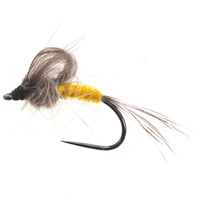

Emerger Parachute CDC Red Quill
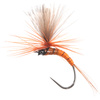

Emerger Parachute CDC BWO
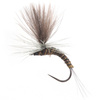
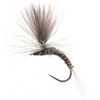
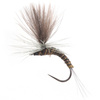
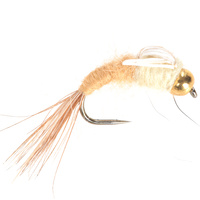
Barr Emerger BH Pale Morning Dun
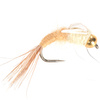
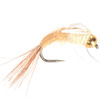

Barr Emerger BH Blue Wing Olive
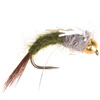
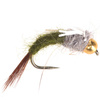
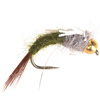
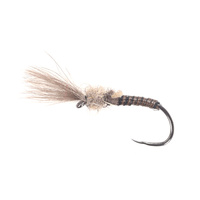
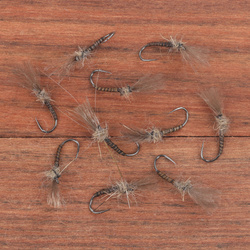
CDC Tan Throax Emerger
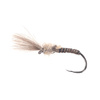


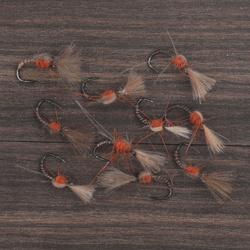
CDC Orange Throax Emerger
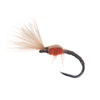
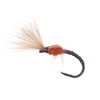

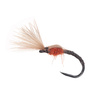 + 1Opcji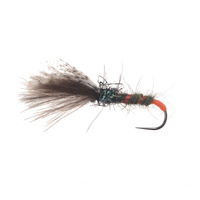
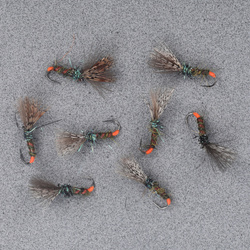
Orange Tag Black Ribbed Emerger
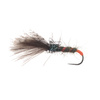 + 1Opcji
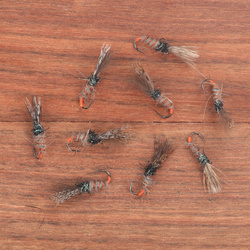
Orange Tag Red Ribbed Hare Emerger


 + 1Opcji
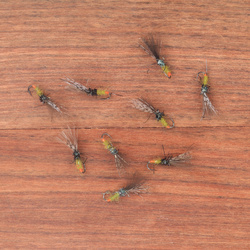
Orange Tag Natural Hare Body Emerger
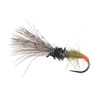


 + 1Opcji
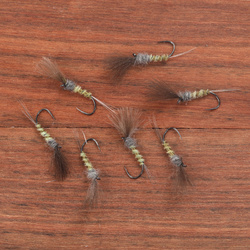
Tan CDC Emerger


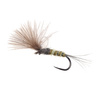
 + 1Opcji
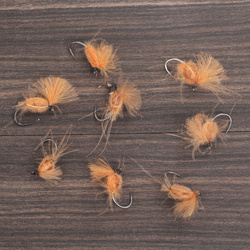
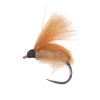
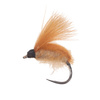
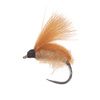

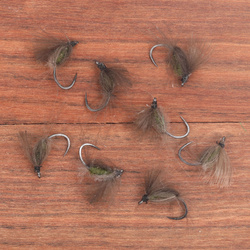

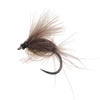

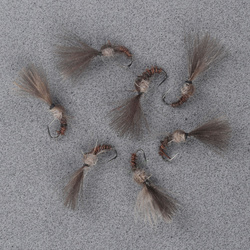
Pheasant Tail CDC Emerger


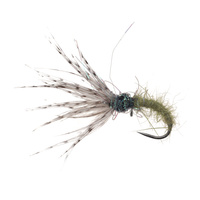
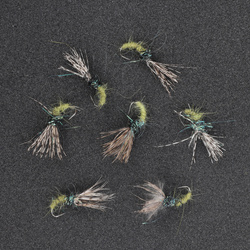
Hare and Spectra Peacock Emerger


When is an emerger the right choice?
Fish can concentrate on emerging insects while apparently rising at the surface. The rise may be quiet: a bulge, swirl or dorsal fin rather than a clear take from above. If a conventional dry drifts through repeated rises without interest, an emerger that hangs lower in the film is a logical next step.
Not every emerger floats in the same position. Some patterns suspend a slim body beneath a buoyant wing or hackle; others are intended to travel just under the film. A bead-head emerger may fish deeper than a CDC or parachute pattern. Check the construction of the individual fly instead of assuming that every product bearing the name will behave identically.
Choosing an emerger pattern
- Trailing shuck: suggests the partly shed nymphal or pupal skin and gives the fly a clear direction.
- CDC: creates a mobile, low-density wing or thorax with a soft outline. It should be treated with a product suitable for CDC if treatment is needed.
- Parachute or visible post: helps the angler follow a fly that otherwise sits very low.
- Slim body: suits delicate mayfly and midge profiles; a fuller thorax can add contrast at the point where the insect is emerging.
- Weighted construction: is useful when the target zone is beneath the film rather than in it.
How to fish emergers
On rivers, use the same attention to drag-free drift that you would give a dry fly, while watching the leader and the water around the expected position of the fly. In stillwaters, emergers can be presented static, moved extremely slowly or allowed to rise through the upper layers. Takes may be subtle, so maintain enough contact to respond without pulling the pattern unnaturally.
Choose size and profile from the insects present whenever possible. During a mixed hatch, the height at which the fish feed can be a more useful clue than exact colour. An emerger is not simply a dry fly that failed to float; its position in the film is the central part of the presentation.