
Fly-Tying Chemicals, Adhesives and Care Products
( number of products: 24 )Fly-fishing and fly-tying chemicals include products used to build and finish artificial flies, treat finished patterns and repair equipment. The category covers thread waxes, head cements and varnishes, UV resins of different viscosities, cyanoacrylate and epoxy adhesives, dry-fly treatments, UV lamps and products for repairing waders and technical clothing.
Products that look similar can behave very differently. Check the curing method, working time, viscosity and compatibility with the hook finish, fibres, foam, laminate or neoprene before use.




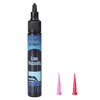
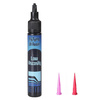

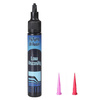


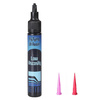












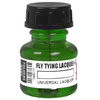

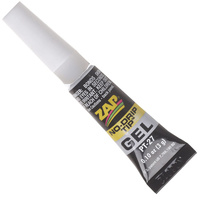






Match the product to the job
An adhesive creates a structural bond; a varnish or head cement protects thread wraps and creates a finish; a wax changes the grip and handling of tying thread; a floatant or desiccant manages a fly on the water. These roles can overlap, but they are not interchangeable. Use the smallest useful amount and test unfamiliar products on spare material.
Head cements, varnishes and flexible finishes
Thin head cement can penetrate thread wraps and secure a compact head. A thicker varnish builds a smoother visible coating but adds more material. Flexible products suit areas that continue to move, whereas a hard brittle finish may crack if applied to a bending component.
Ventilation, drying time and solvent compatibility matter. A coating can darken natural fibres, attack foam or soften paint, so decorative and structural materials should be tested before a full batch of flies is finished.
UV resins
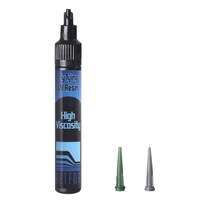
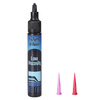
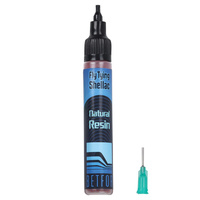
UV-curing resin remains workable until exposed to a suitable lamp. Low-viscosity resin penetrates gaps and forms thin coatings; medium and thick versions build heads, backs, bodies and lenses with greater volume. Apply it in controlled layers so that light can reach the material effectively.
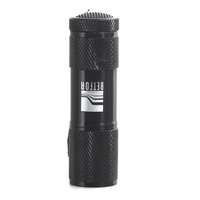
The lamp wavelength and output must suit the resin. Cure every surface for the specified time and avoid looking directly into the light. A surface that feels tacky may need further curing, but some formulations retain a slight surface character even when cured; follow the product instructions rather than adding unlimited exposure.
Cyanoacrylate and epoxy adhesives
Cyanoacrylate bonds quickly and is useful where a small, immediate joint is needed. Excess adhesive can wick into fibres, create a white bloom or form a hard lump. Keep it away from skin and eyes and work with ventilation.
Two-part epoxy provides working time and can build a strong, level coating when resin and hardener are measured and mixed correctly. Pot life, cure time and final flexibility vary. Mix only the quantity required and do not assume that every plastic, foam or painted surface is compatible.
Thread wax
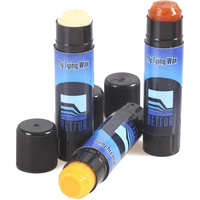
Wax can increase thread grip, reduce slipping and help selected dubbing fibres adhere while a noodle is formed. Too much wax collects dirt, changes colour and makes precise work harder. Apply a light film where it solves a handling problem rather than coating the entire thread by habit.
Dry-fly treatments
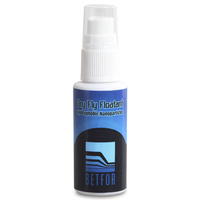
Floatants are available as gels, liquids and powders. A gel normally treats suitable dry fibres before or during fishing; a desiccant powder helps remove moisture from a fly that has already become wet. CDC requires products intended for its structure because a heavy greasy treatment can collapse the fibres that create its characteristic surface.
Remove slime and excess water before treatment. No preparation makes a fly permanently buoyant, and repeated application cannot compensate for a soaked, damaged or unsuitable pattern.
Wader and clothing repair
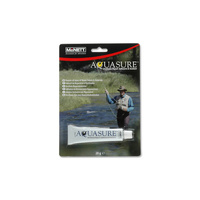
Adhesives, tapes and patches for waders must match the breathable laminate, face fabric or neoprene stockingfoot and the kind of damage. Locate the fault, clean and dry the surface and allow the specified curing time. A general-purpose glue can damage a technical material or create a rigid edge that later peels.
For a concise list of repair and traction products, see wading accessories. Larger or structural damage should be assessed under the garment manufacturer's repair procedure.
Storage and safe handling
- Keep caps and nozzles clean and close containers immediately.
- Store products at the temperature and away from light as stated by the manufacturer.
- Mark the opening date where shelf life after opening matters.
- Use eye and skin protection where the instructions require it.
- Keep chemicals, lamps and uncured resin away from children and animals.
- Dispose of containers and residues under local rules.
Exact curing, compatibility, safety and storage requirements are product-specific. Read the label and safety information before use.