
Mylar Tubing and Braid for Fly Tying
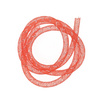
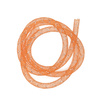
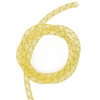
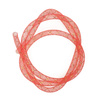
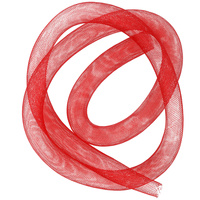
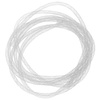
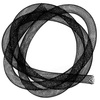
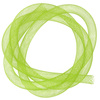
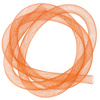
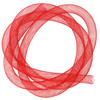
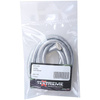
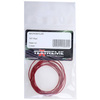
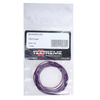
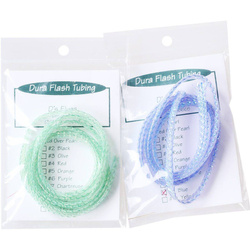
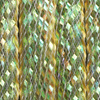
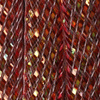
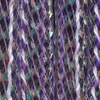
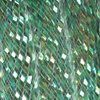
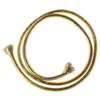
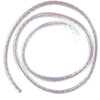
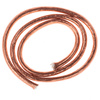
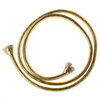
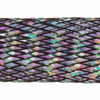
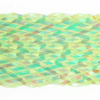
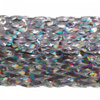
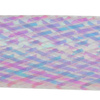
( number of products: 23 )Mylar tubing is a hollow braided material that expands over an underbody and forms a reflective, scale-like shell. It is used chiefly for baitfish bodies, streamer bodies and segmented or reinforced sections. Flat braid and related woven materials create a similar surface by winding rather than sliding over a core.
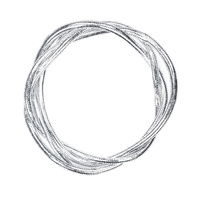


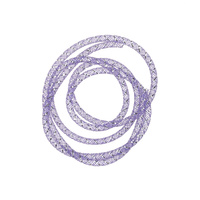

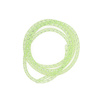
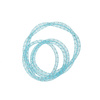
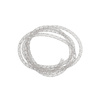


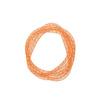

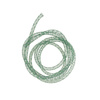
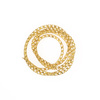
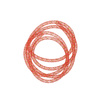


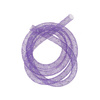
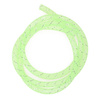
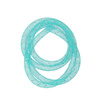
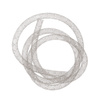
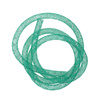





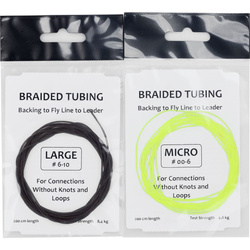





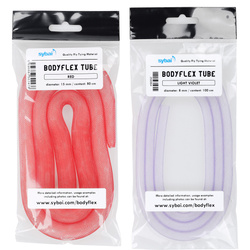
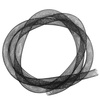

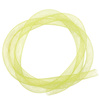

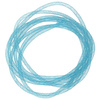
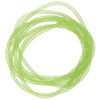
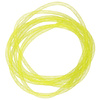


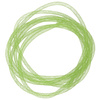

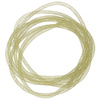





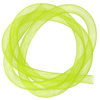

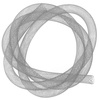
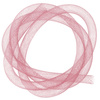

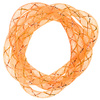





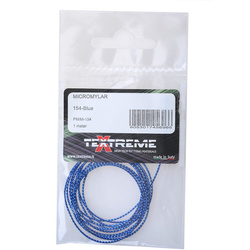








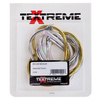
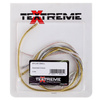

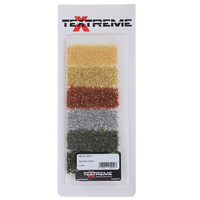
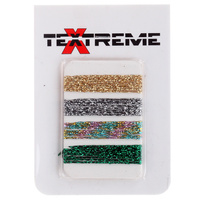






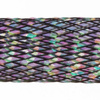



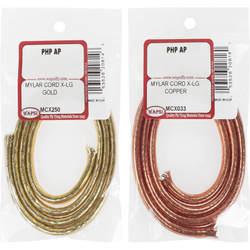


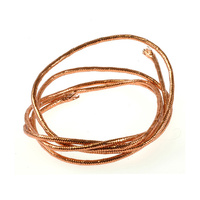
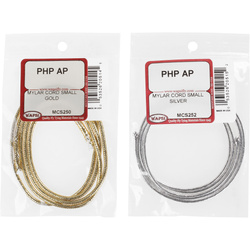


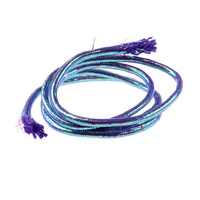


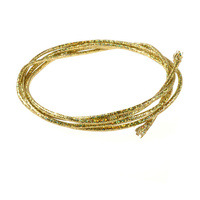
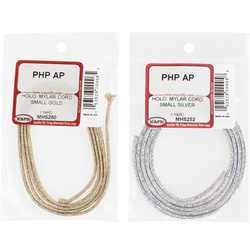


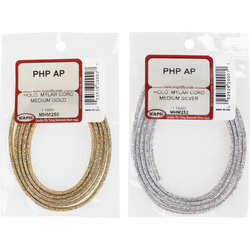


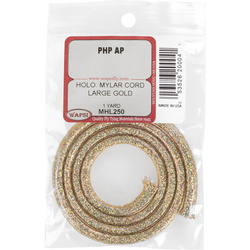


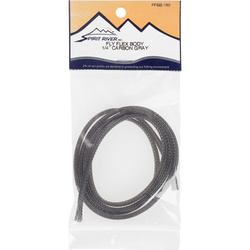
What makes Mylar tubing different from loose flash?
Loose flash supplies individual reflective fibres. Mylar tubing holds its strands in a braided tube, so it can cover a shaped underbody while preserving one continuous surface. The braid opens when compressed lengthwise and narrows when pulled, allowing limited adjustment to body diameter.
Choosing the size
Select tubing that expands over the widest point without becoming so open that the underbody shows unintentionally. Very wide tubing folded onto a small hook creates bulky tie-in points. Very narrow tubing stretched excessively loses coverage and may distort its reflective pattern.
Building a baitfish body
- Create a smooth underbody from thread, foam, yarn or another suitable material.
- Cut the tubing slightly longer than the finished body.
- Slide it over the underbody and adjust the braid evenly.
- Secure one end with controlled thread turns, then set tension along the body.
- Tie off the second end and trim or fray it according to the pattern.
A smooth foundation is important because the reflective surface reveals steps and lumps beneath it.
Flat braid and wound bodies
Flat Mylar braid is tied at one end and wound in touching or slightly overlapping turns. It works well where sliding tubing over the hook is impossible or where a tapered body must be built gradually. Keep tension consistent to maintain width and reflection.
Protecting the surface
Teeth, stones and repeated casting can abrade metallic coatings. A thin compatible resin or varnish may improve durability, but too much creates a rigid heavy body and can mute the woven texture. Test the coating on a short offcut first.
Colour and underbody
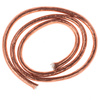
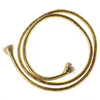
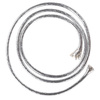
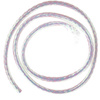
Silver and pearl suggest a general baitfish flank; gold and copper provide a warmer effect; darker or coloured tubing can define a back or attractor body. Open or translucent braids allow the underbody colour to influence the final appearance, so compare the material over both light and dark foundations.
Frequently asked questions
Is Mylar tubing elastic?
The braid changes diameter mechanically as it opens and closes, but it should not be treated like stretch film or rubber. Excessive pulling distorts it.
Can the ends be used as a tail?
Yes. The braid can be unravelled into reflective fibres, although the length and stiffness must suit the pattern.
Why does the tubing fray while tying?
Cut ends naturally open. Secure the intended tie-in area before trimming, use sharp scissors and handle the braid without snagging it on the hook point.