
Fishing Shirts and T-Shirts
( number of products: 17 )Fishing shirts should suit the temperature, sun, activity level and layers worn above or below them. The practical differences lie in fabric, cut, sleeve length, drying behaviour, pockets and stated sun protection rather than the word “fishing” alone.
- Button-up fishing shirts provide adjustable ventilation and practical coverage.
- Fishing T-shirts offer a simpler base or standalone layer.
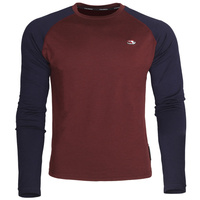



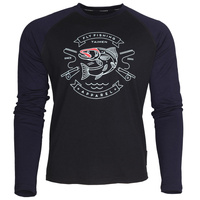



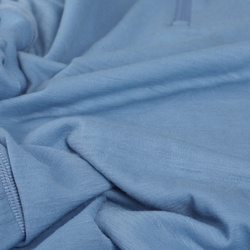
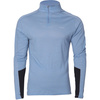
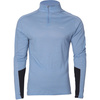
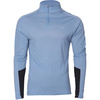
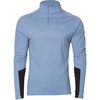

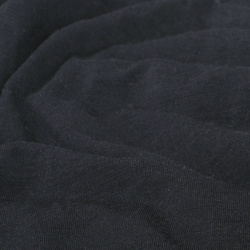
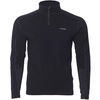

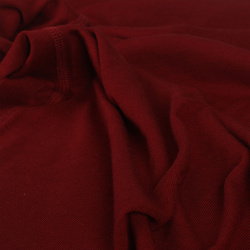
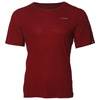
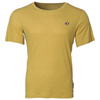
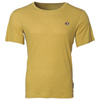
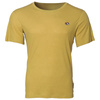
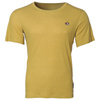
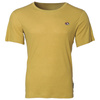
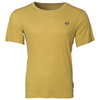
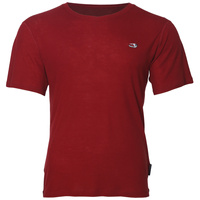
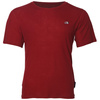
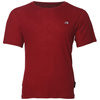
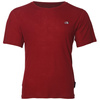
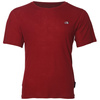
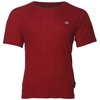
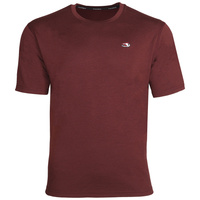
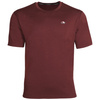
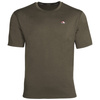
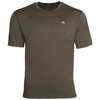
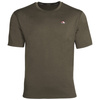
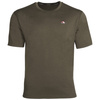
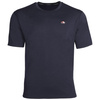
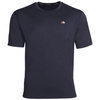
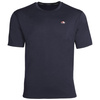
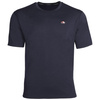
Taimen Ussuri Fresh Merino Blend Short-Sleeve T-Shirt - Burgundy
 + 4Opcji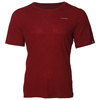
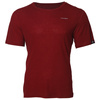
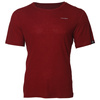

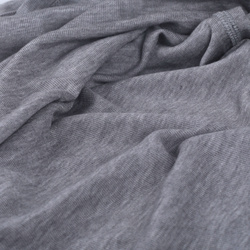
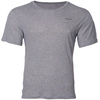
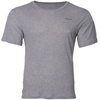
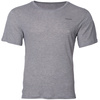
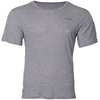
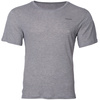
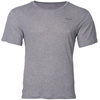
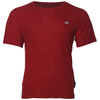
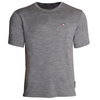
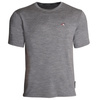
Taimen Ussuri Fresh Merino Blend Short-Sleeve T-Shirt - Ash Gray
 + 4Opcji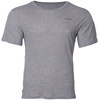

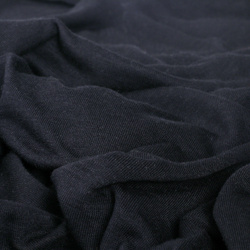
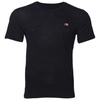
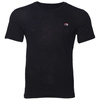
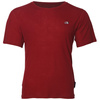
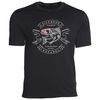
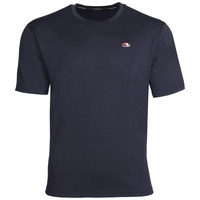
Taimen Uur Cotton-Merino Blend Short-Sleeve T-Shirt - Deep Black
 + 3Opcji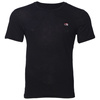

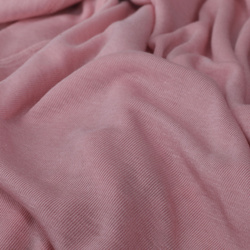
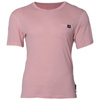
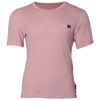
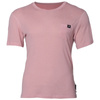
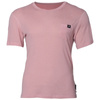
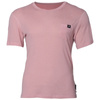
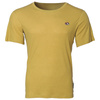
Taimen Zeya Fresh Merino Blend Short-Sleeve T-Shirt - Dusty Rose
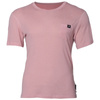
 + 4Opcji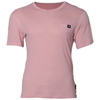

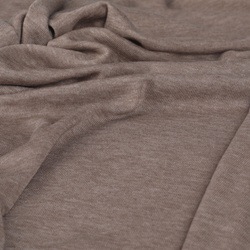
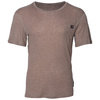
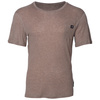
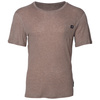
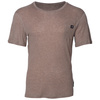
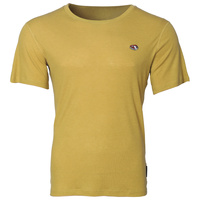
Taimen Zeya Fresh Merino Blend Short-Sleeve T-Shirt - Desert Tan
 + 4Opcji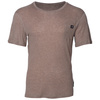





















Start with conditions and activity
For warm exposed water, prioritise light fabric, coverage and drying speed. For travel and everyday use, comfort, appearance and easy care may matter more. Under a wading jacket or insulated layer, choose a shirt that moves moisture and does not bunch at the cuffs, shoulders or waist.
Synthetic, cotton and wool-rich fabrics
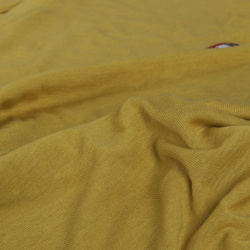
Synthetic fabrics usually dry faster and manage moisture more effectively during active use. Cotton feels familiar and comfortable in dry warm conditions but retains water for longer. Fine wool and wool blends can manage odour and remain comfortable across a wider temperature range, though exact performance depends on fabric weight and construction.
Button-up shirt or T-shirt?
A button-up shirt allows the collar, front and cuffs to be adjusted and may include chest pockets or ventilation details. A T-shirt is lighter and simpler beneath another layer. Long sleeves increase coverage; short sleeves improve freedom and airflow. Neither form is universally better.
Sun protection
Fabric coverage provides some protection, but a UPF value should be relied upon only when the manufacturer states and supports it for the particular garment. Fit, wetting, stretch, wear and open cuffs affect real coverage. Use sunscreen on exposed skin and add a hat or neck protection where necessary.
Fit for casting and wading
Raise both arms and rotate the shoulders before judging fit. The shirt should not pull sharply across the back or lift excessively from the waistband. Under waders, avoid bulky hems and pocket contents that create pressure points. Under a jacket, check that cuffs and collar remain comfortable.
Care
Follow the garment label. Fabric softener can reduce moisture-management performance in some technical fabrics, and excessive heat may damage prints or fibres. Rinse salt, sunscreen and fish residue promptly. Dry completely before storage.
Frequently asked questions
Is every synthetic shirt quick-drying?
Not to the same degree. Fibre, weave, thickness and garment construction all matter. Use the individual product specification.
Is a fishing shirt only for summer?
No. A suitable shirt can work as a base or light mid layer in cooler weather, provided its fabric and fit suit the complete clothing system.
Should a shirt fit loosely?
It needs enough room for casting and ventilation without excessive fabric catching wind or bunching under outer layers.