
Fly-Tying Beads, Heads and Eyes
( number of products: 77 )A bead, head or pair of eyes can perform three different jobs: add weight and set the fly's attitude, build its profile and movement, or create a visual target. Begin with the required function rather than colour alone.
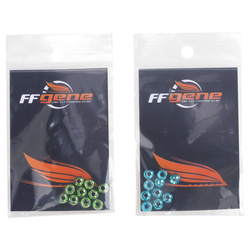
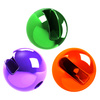
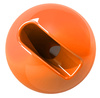
Beads cover conventional and specialist components for nymphs, jigs and streamers. Cone heads close and shape the front of streamers and tube flies. Fly eyes range from light 3D details to weighted dumbbell and tungsten constructions.


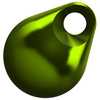

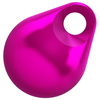
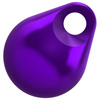
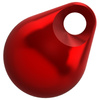
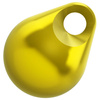
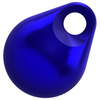

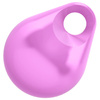
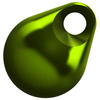

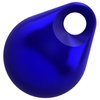

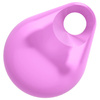
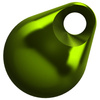

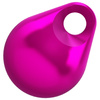
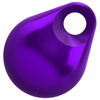
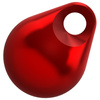
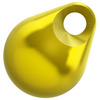
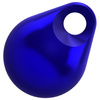


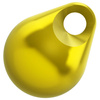
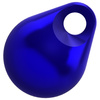

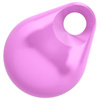
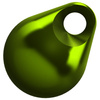

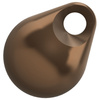

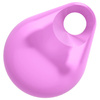
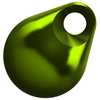

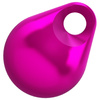
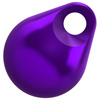
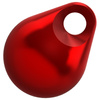
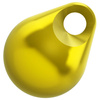
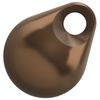
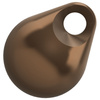
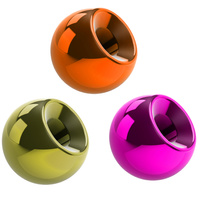
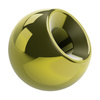
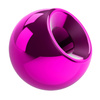

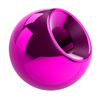

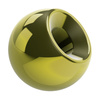
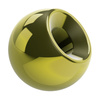





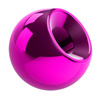

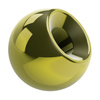
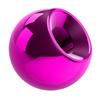
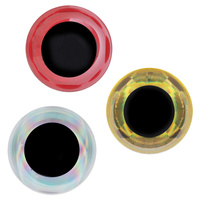













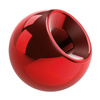
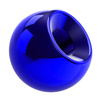
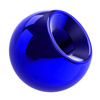
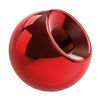
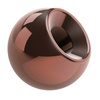
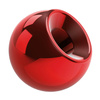
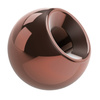
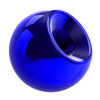
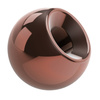
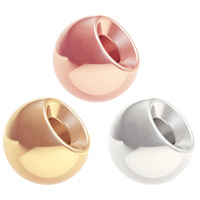


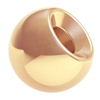


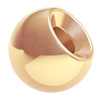
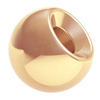
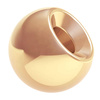
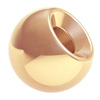
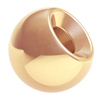

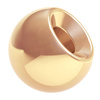
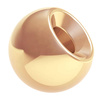
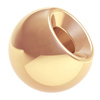
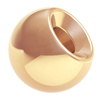


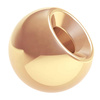
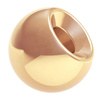
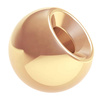
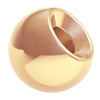
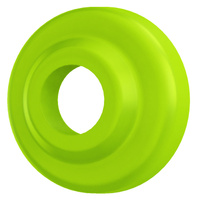
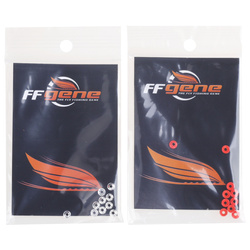



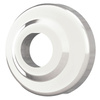
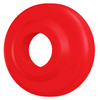
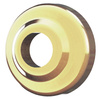
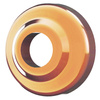





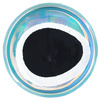


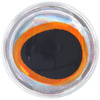

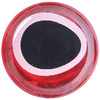


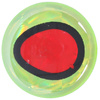
























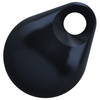
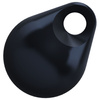
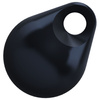
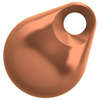











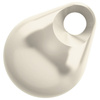
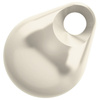
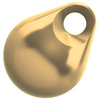
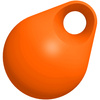










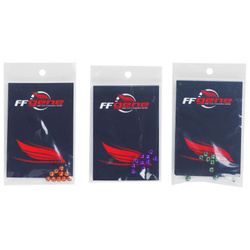





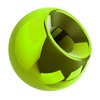
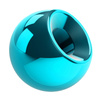
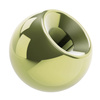
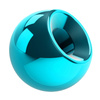
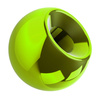
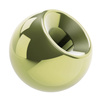
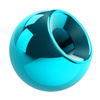
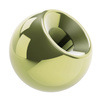
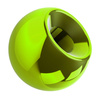








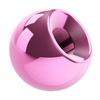

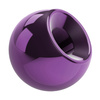

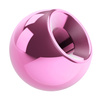

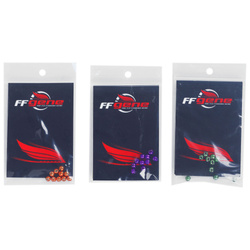
































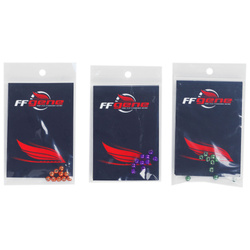
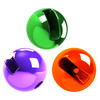




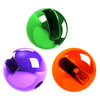

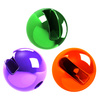





















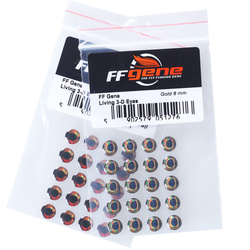


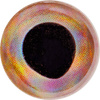
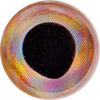


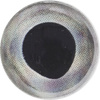





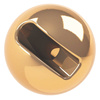

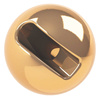
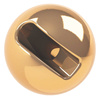
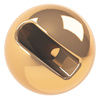


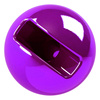
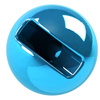

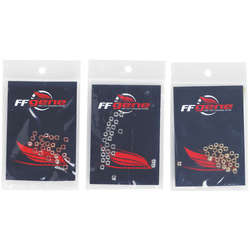


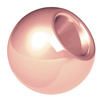





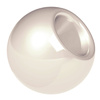

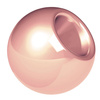
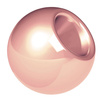


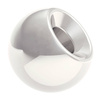
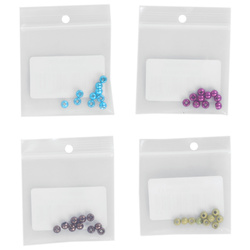
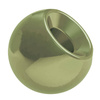
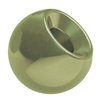


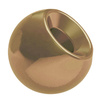
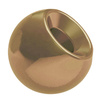

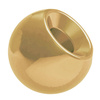
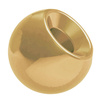
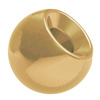




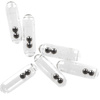


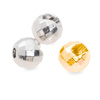
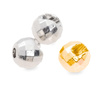

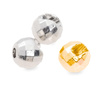
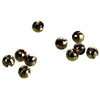
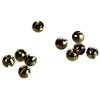

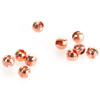

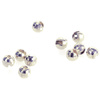
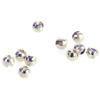


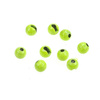
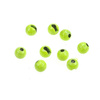
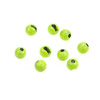












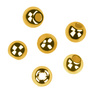


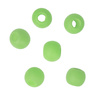

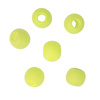
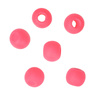

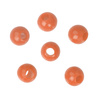

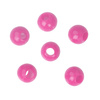
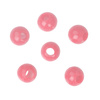
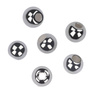
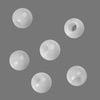




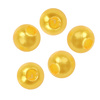


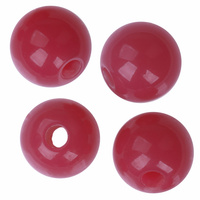
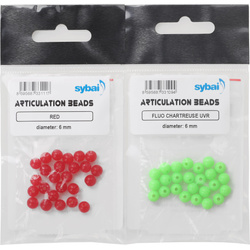

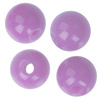
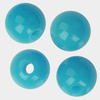
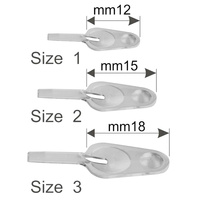
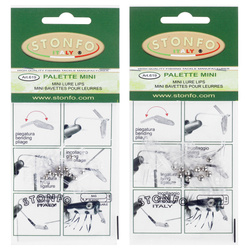





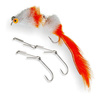
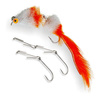
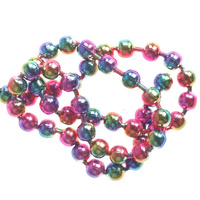
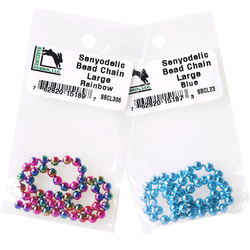




Three functions that should not be confused
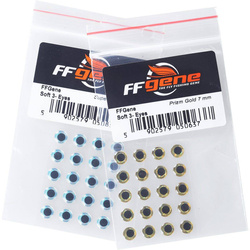
Weight changes sink rate, balance and the attitude in which a fly fishes. Profile changes the outline, water displacement and the way surrounding materials open or collapse. Visual stimulus supplies contrast, reflection or a recognisable eye without necessarily adding useful mass.
One component may perform more than one function, but the compromise must be deliberate. A large plastic eye creates profile without the effect of a tungsten dumbbell; two metallic products of the same diameter may have very different mass.
Weight and sink rate
Tungsten is denser than brass, while glass and plastic are usually selected mainly for appearance or low mass. The final descent still depends on the complete fly: hook wire, lead-free underbody, body materials, trapped air, current and leader all contribute.
Weight position matters as much as total weight. A bead near the eye loads the front; a dumbbell mounted across the shank can encourage hook-point-up orientation when the remaining construction supports it. An articulated weight or rear body changes the balance again.
Profile and movement
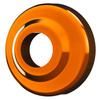
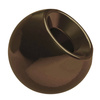
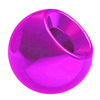
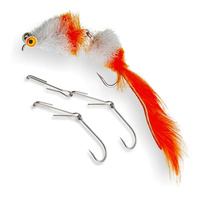
A round bead forms a compact front on a nymph. A cone head creates a longer transition and can hold back mobile fibres in a streamer. Fish heads and shaped bodies establish a specific baitfish or crustacean outline. Propellers and discs are active components intended to disturb water rather than simply imitate an eye or head.
Visual effect
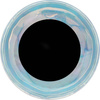
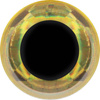
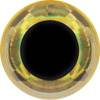
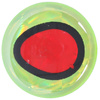
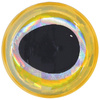
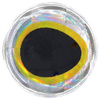
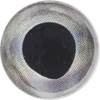
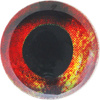
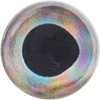
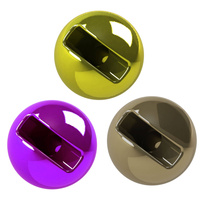
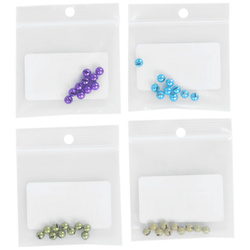
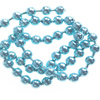
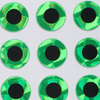
Metallic, fluorescent and contrasting finishes can form a hot spot. Natural dark or muted finishes integrate with the body. Holographic and prismatic eyes reflect changing points of light as the fly moves. Visibility is affected by water colour, depth and angle; a brighter component is not automatically more effective.
Material changes more than appearance
| Material or construction | Typical purpose | Check carefully |
|---|---|---|
| Tungsten | High mass in a compact component | Hole or slot, hook bend and permitted fly weight |
| Brass | Moderate weighting and a broad choice of finishes | Actual size and wall thickness |
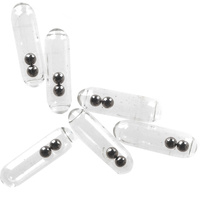
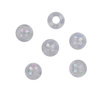
| Glass or plastic | Colour, translucency and profile with less mass | Hole finish, brittleness and adhesive compatibility |
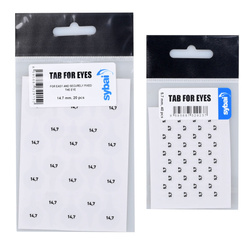
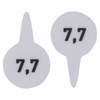
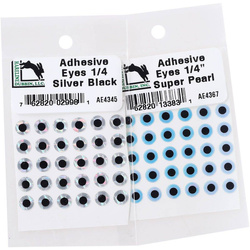
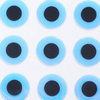
| 3D or adhesive eye | A visual eye on a prepared surface | Diameter, bond and any protective coating |
Diameter is only the beginning
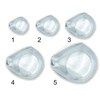
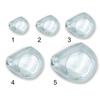
Check external diameter, hole diameter or slot, component length and the shape of the hook. A bead sold for a given hook range may not pass around every bend or over every barb in that range. Jig hooks often need a slotted or offset opening; conventional hooks may accept a regular drilled bead.
Dry-fit the part before tying. It should pass onto the hook without forcing, sit in the intended position and leave enough room for thread, materials and a secure finishing knot.
Colour and finish
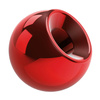
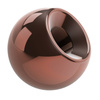
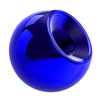
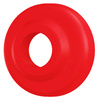
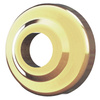
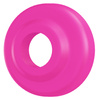
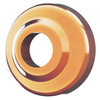
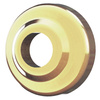
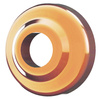
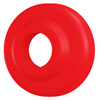
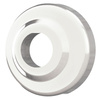
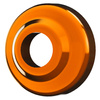
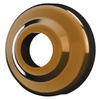
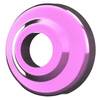
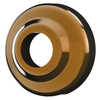
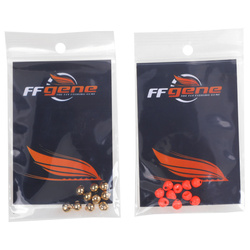
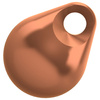
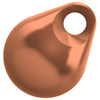
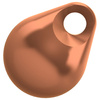
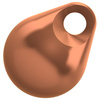
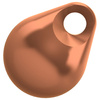
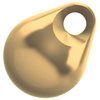
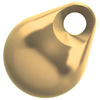
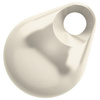
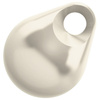
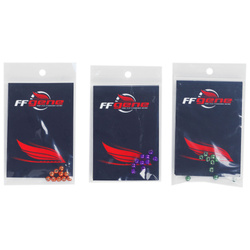
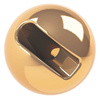
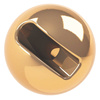
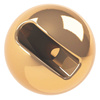
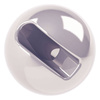
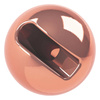
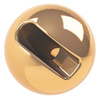
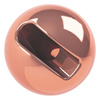
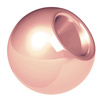
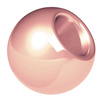
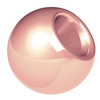
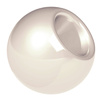
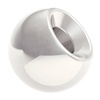
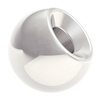
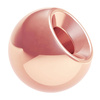
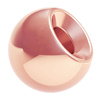
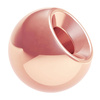
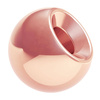
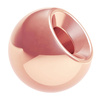
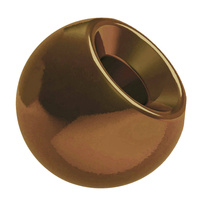
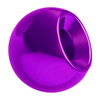
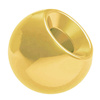
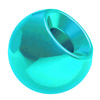
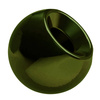
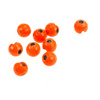
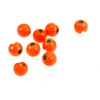
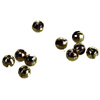
Gold, copper and silver create familiar metallic points. Black, nickel and muted finishes produce a less conspicuous head. Fluorescent and bright colours act as hot spots, while translucent beads allow the underbody to influence their appearance. Select colour in relation to the body and water rather than treating it independently.
A practical selection order
- Decide whether the component must weight, shape or decorate the fly.
- Select the required material and approximate mass.
- Match hole, slot and geometry to the exact hook.
- Check diameter against the intended fly scale.
- Choose colour and finish.
- Dry-fit before adding thread or adhesive.
Frequently asked questions
Is tungsten always the best choice?
No. It is useful when compact mass is needed. Brass, glass or plastic may produce a more suitable descent, profile or visual effect.
Do large eyes always improve a streamer?
No. They change profile and may alter balance. Eye size should remain proportionate to the pattern and intended movement.
Will one bead size fit every hook carrying the same number?
No. Hook gape, bend, wire and eye geometry vary between models. Test the exact combination.