
Nymph flies for trout and grayling
( number of products: 207 )Nymph flies are subsurface patterns used to represent aquatic insects and other small food items. Choose the construction according to the depth and current: unweighted nymphs for delicate or controlled presentations, weighted patterns, conventional bead-head nymphs and fast-sinking tungsten-bead nymphs. Egg patterns form a separate subsurface group.

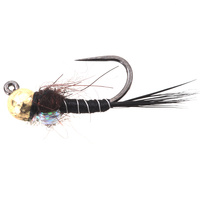
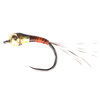
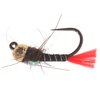
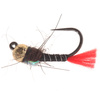
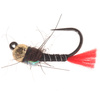
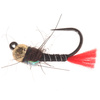
Quill Body red tag Jig



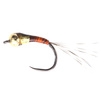
Perdigon Quill Body Holo Green


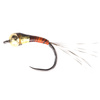
Perdigon Orange Quill and Gold

 + 1Opcji
Yellow Ribbed Brown Nymph
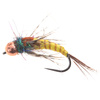




Olive Quill Body Flash Back Jig


 + 1Opcji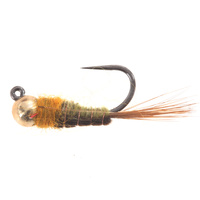

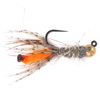
Peeping Caddis Jig Orange


 + 1Opcji
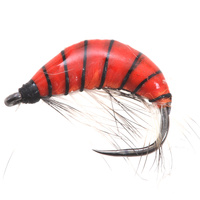
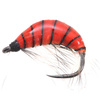
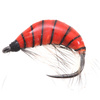
Epoxy Scud Orange (1)
 + 1Opcji
Tungsten BH Ribbed Hare Ear
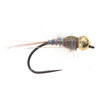

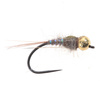

Chartreuse Woven Back Brown Jig
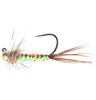
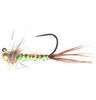


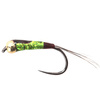
Perdigon Holo Green Brown Tag
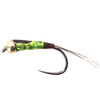
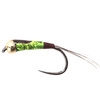
 + 1Opcji
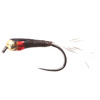
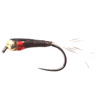
Perdigon Quill and Holo Red
 + 1Opcji
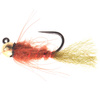
Rusty CDC Body Caddis Jig


 + 1Opcji
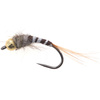
Tungsten BH Micro Nymph Brown Cream



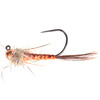
Orange Woven Back Brown Jig
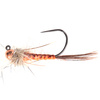


Perdigon Holo Red


 + 1Opcji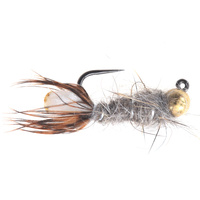
Peeping Caddis Jig White


 + 1Opcji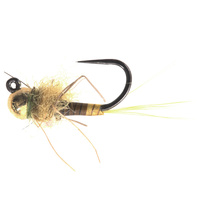
Natural Olive Jig


 + 1Opcji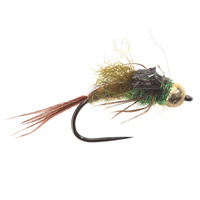
Tungsten BH Epoxy Back Bwo Blue Wing Olive



Tungsten BH Micro Nymph Claret white tail


 + 1Opcji
Tungsten BH Orange/Brown/Red Nymph
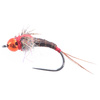


Woven Brown Lt Green Nymph
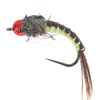


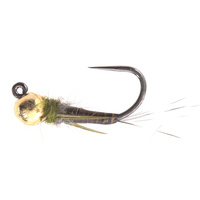


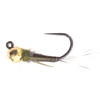

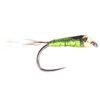
Perdigon Chartereuse Ribbed Gold


 + 1Opcji
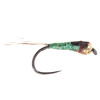
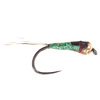
Perdigon Holo Green

 + 1Opcji
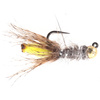
Peeping Caddis Jig Yellow


 + 1Opcji
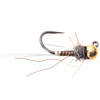
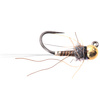
Natural Quill Jig

 + 1Opcji
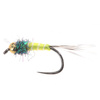
Tungsten BH Yellow Tail Nymph


 + 1Opcji
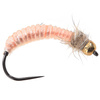
Tungsten BH Case Free Caddis Pale Pink


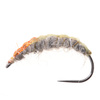
Hydropsyche Tan/Orange Back

Tungsten BH Micro Pheasant Tail Orange/Natural
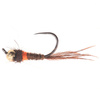


Tungsten BH Prince Natural
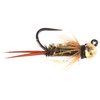

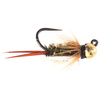
 + 1Opcji


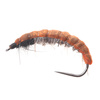
Choosing a nymph by fishing depth
The most detailed imitation is ineffective if it passes above or below feeding fish. Current speed, water depth, leader diameter, fly weight, line type and cast angle all affect the path of a nymph. Select enough weight to enter the feeding zone while retaining control; additional weight is not automatically an improvement.
Main nymph constructions
- Unweighted nymphs offer a gentle entry and a natural drift in shallows, slow water and the upper layers. Their depth can also be controlled by the leader or another fly where rules permit.
- Weighted nymphs carry weight in the body or another part of the dressing and may preserve a beadless, natural head profile.
- Bead-head nymphs combine weight with a distinct head or trigger point. Sink rate depends on bead material and size as well as the rest of the fly.
- Tungsten-bead nymphs use the higher density of tungsten to gain more weight in a compact bead, making them useful in faster or deeper water.
- Egg patterns imitate fish eggs rather than an insect stage. They belong to the subsurface selection but should be chosen and fished as a separate food form.
Imitative and suggestive nymphs
Pheasant-tail, hare's-ear, caddis, stonefly, scud and perdigon-style patterns do not all behave in the same way. Some emphasise recognisable anatomy and texture; others use a slim outline, rapid sink rate or a small hotspot to suggest several food items. Use the product name and image to identify the family, but let the water determine weight and size.
River presentation
A natural drift requires the leader and line to move without pulling the flies out of their path. Short-line contact methods provide direct control, while an indicator or dry-dropper arrangement can suspend lighter patterns where permitted. In every method, maintain enough contact to recognise a pause without making the nymphs travel unnaturally.
Stillwater presentation
Nymphs can be suspended, allowed to descend, retrieved slowly or moved in short lifts. Count-down time and retrieve speed make depth repeatable. Watch for changes in line tension: stillwater takes are not always forceful.
How to make a useful change
If a plausible nymph produces no response, adjust depth first. Then change size or sink rate, followed by silhouette and colour. Altering one variable at a time provides information; changing the whole cast after every drift makes it difficult to identify what the fish preferred.