
Loose Feathers for Fly Tying
( number of products: 99 )Loose-feather packs provide a defined material without requiring an entire skin. They include marabou, schlappen and streamer hackle, duck and teal flank, partridge, guinea fowl, biots, quills, peacock and ostrich herl and decorative pheasant feathers.
Loose does not describe one quality or use. Decide whether the fly needs movement, stiffness, vane shape, natural barring or a particular fibre, then choose species and colour.
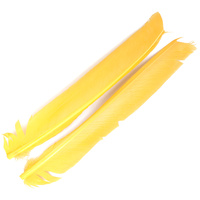
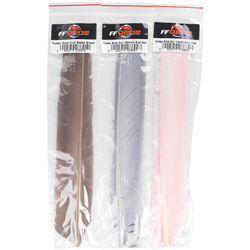


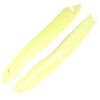
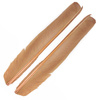
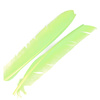





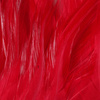
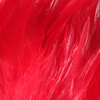

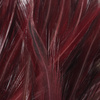
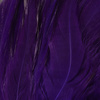

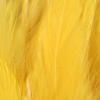
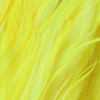

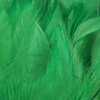

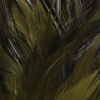








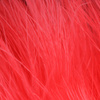
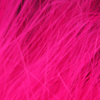

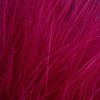

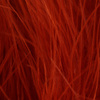


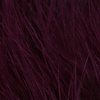
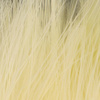
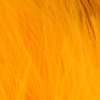
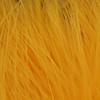
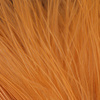
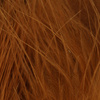
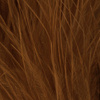
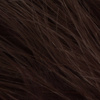


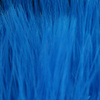
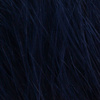

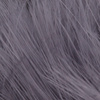
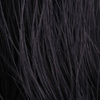
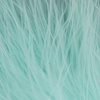



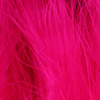



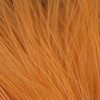
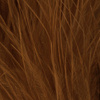
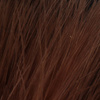


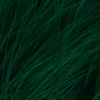





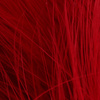

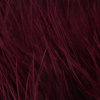
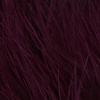

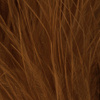
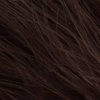
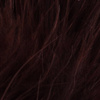
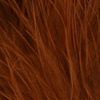

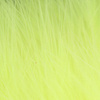










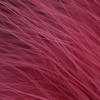
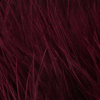


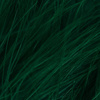

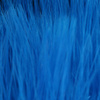






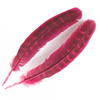
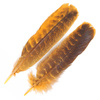
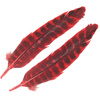


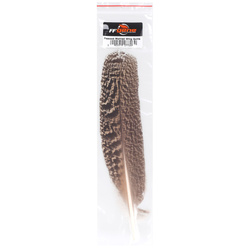
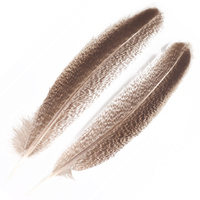
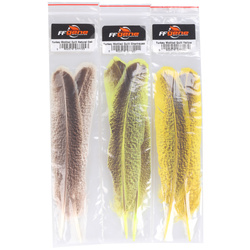


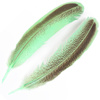


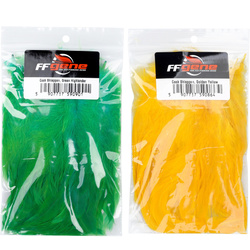



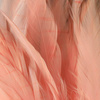


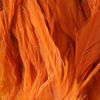


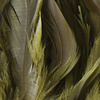
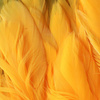

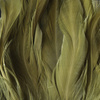
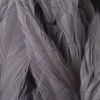

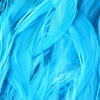
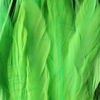




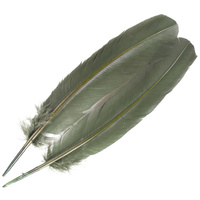
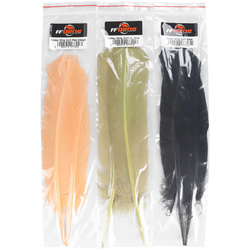

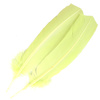
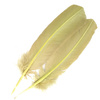


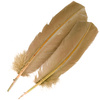

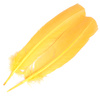


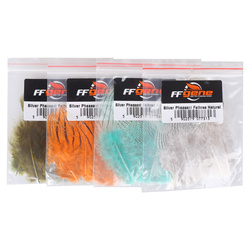


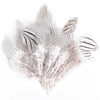
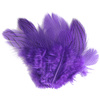
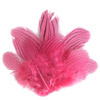








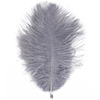

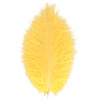
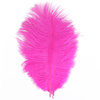
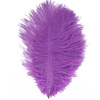
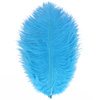
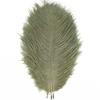


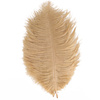

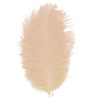







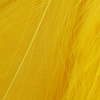


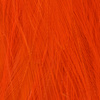


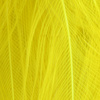


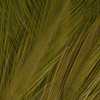


























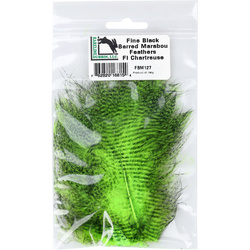



































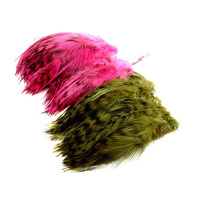
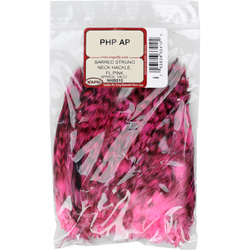


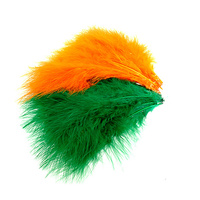
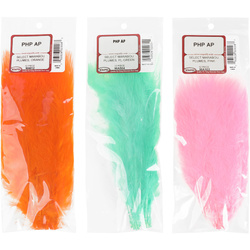


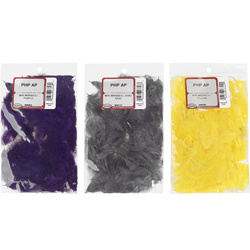


Marabou
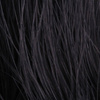
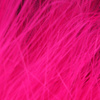
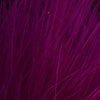
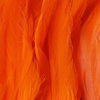
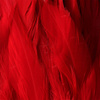
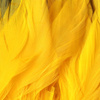
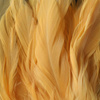
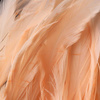
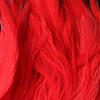
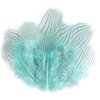
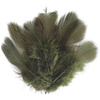
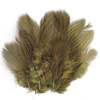
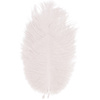
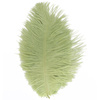
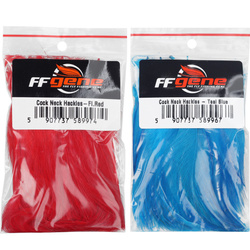
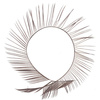
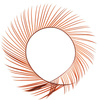
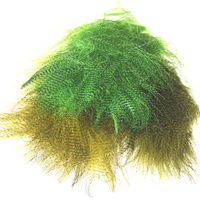
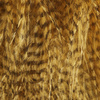
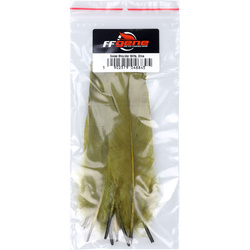
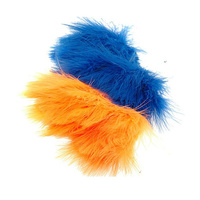
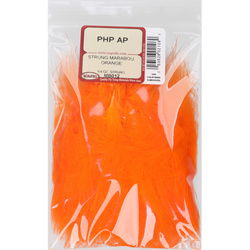
Marabou moves because its fine barbs separate and breathe with very little current. Use it for tails, wings, bodies and collars on streamers, leeches and stillwater flies. Tie it in with controlled pressure and avoid cutting all fibres to one blunt length when a tapered outline is needed.
Schlappen, saddle and strung hackle
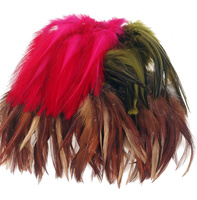
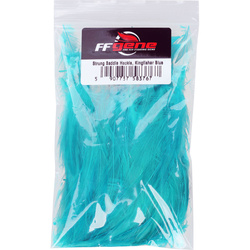
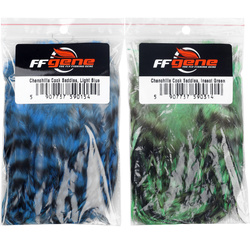
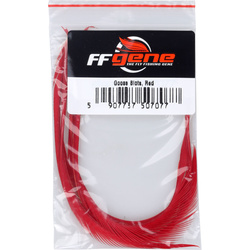
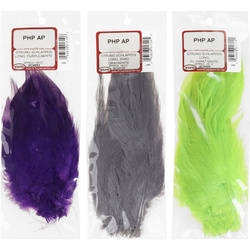
Schlappen has long soft barbs and pronounced web, producing broad mobile collars and palmered bodies. Streamer saddle is generally firmer and more defined. Strung feathers are natural feathers sewn together at the base for handling; strung does not mean synthetic.
Soft hackle and flank
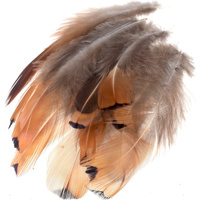
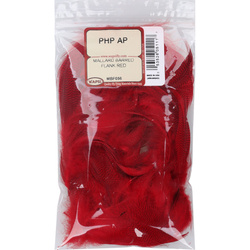
Partridge, hen, duck, teal and other flank or body feathers create mobile hackles, legs, throats and mottled wings. Strip away excessive down and select barb length for the hook. One or two controlled turns often provide enough movement.
Biots
A biot is a narrow stiff barb from a leading flight-feather edge. Its natural ridge can face outwards to create segmentation or inwards for a smoother body. Biots also form tails, antennae and wing buds. A quill is a broader stripped or prepared element and is not identical to a biot.
Quills, flats and shoulders
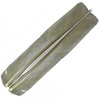
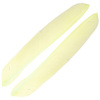
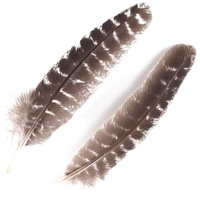
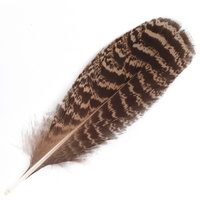
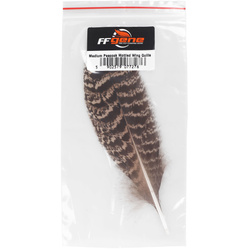
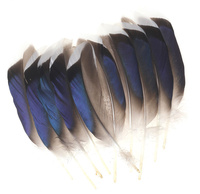
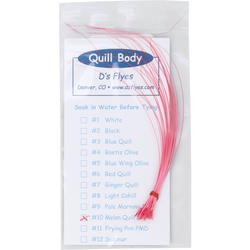
Quill slips form bodies, wing cases and paired wings. Flat or shoulder feathers provide broad shaped sections for cheeks and married wings. Vane cohesion and left/right curvature matter where symmetrical slips are required.
Peacock and ostrich
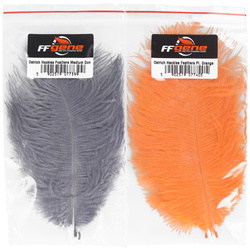
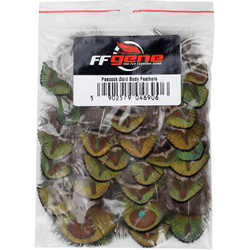
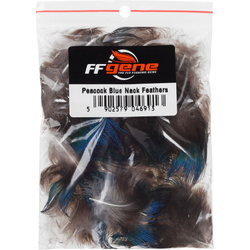
Peacock herl forms iridescent bodies; stripped eye quills create segmented abdomens. Peacock sword has firmer, longer barbs and a distinct green-blue sheen. Ostrich herl is softer and more mobile, useful in bodies, gills and collars.
Decorative pheasant feathers
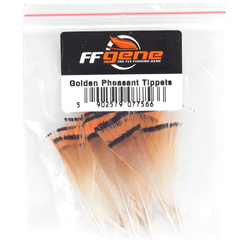
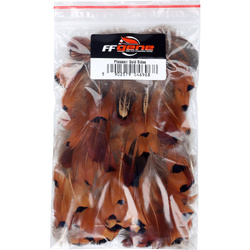
Golden pheasant, Lady Amherst, silver pheasant and related plumage supplies crests, tippets, cheeks, tails and fibres for classical salmon and wet flies. Each named part has its own structure; avoid replacing the established species name with a literal invented translation.
How to choose a pack
- Identify the feather part and intended operation.
- Check barb length, web, stem and natural curve.
- Estimate the proportion usable at the required hook size.
- Match left and right curves for paired components.
- Inspect dyed material for brittle stems and colour transfer.
What does UV2 mean?
UV2 is a commercial treatment associated with ultraviolet fluorescence and reflectance. It does not define feather quality, stiffness or application. Select the feather structure first and the optical treatment second.
Frequently asked questions
Are strung feathers synthetic?
No. They are natural feathers stitched or bound into a strip for sorting and use.
How does marabou differ from schlappen?
Marabou has very fine independent fibres and extreme movement. Schlappen is a complete webby hackle feather that can be wound as a collar or body.
Are quill and biot the same?
No. A biot is a narrow stiff barb from a flight feather; quill can refer to a stripped stem or broader vane slip used differently.