
Barbless Fly Hooks
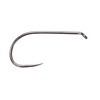
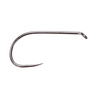
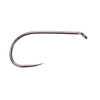
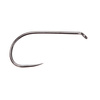
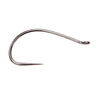
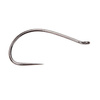
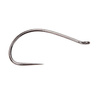
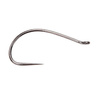
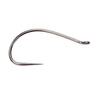
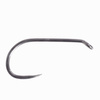
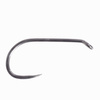
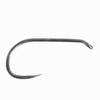
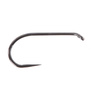
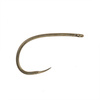
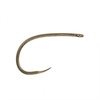
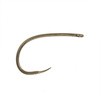
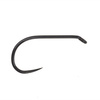
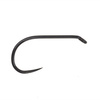
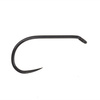
( number of products: 105 )A barbless hook has no projection behind the point to resist removal. Its clearest practical advantage is quicker, easier unhooking. This matters in catch-and-release fishing, competitions and fisheries whose rules require barbless hooks.
The absence of a barb does not guarantee that a fish will remain hooked or that release will automatically be harmless. Hook placement, controlled tension, fight duration and handling remain important.
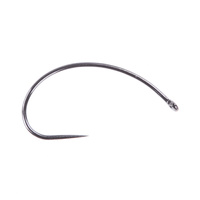

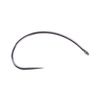
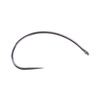
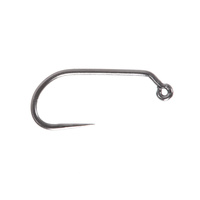

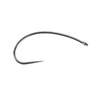
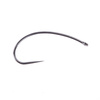

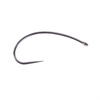
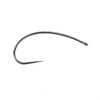
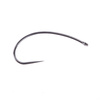

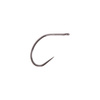
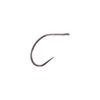
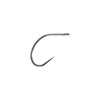
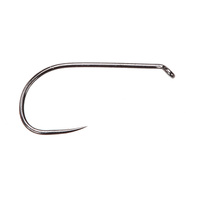
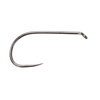
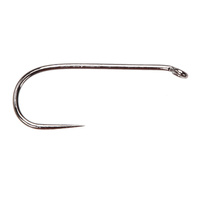
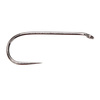

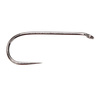
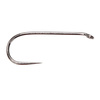

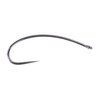
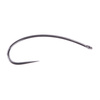
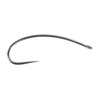
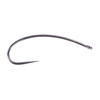
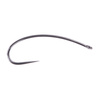


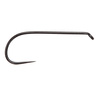
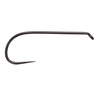
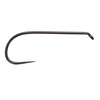


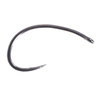
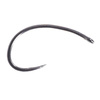
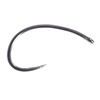
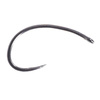

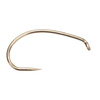
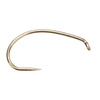
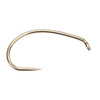
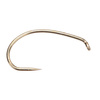
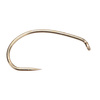

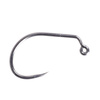

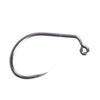
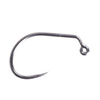
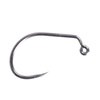
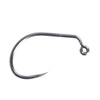

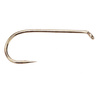
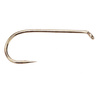
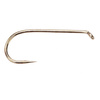
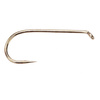

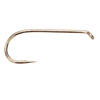
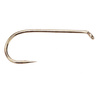
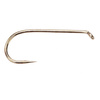
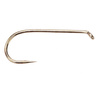

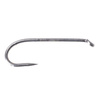

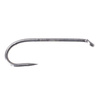

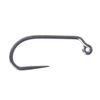
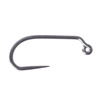
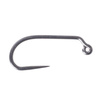
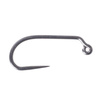
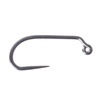

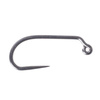

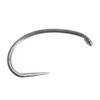
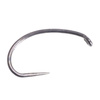
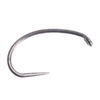
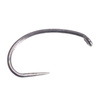



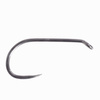


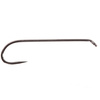
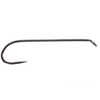
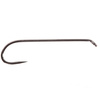
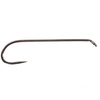
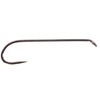
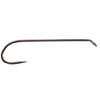
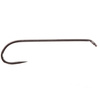

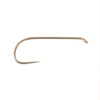

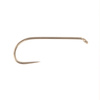

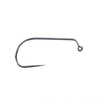
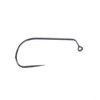
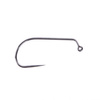

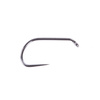
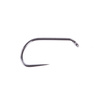
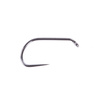
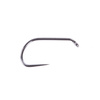
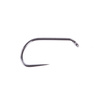


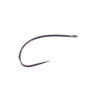
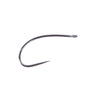
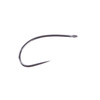
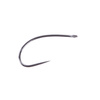
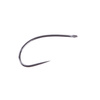


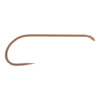
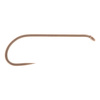
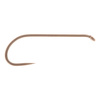
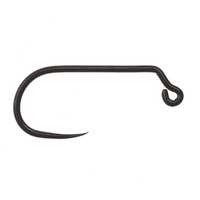

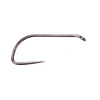
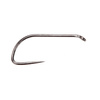

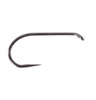
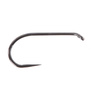

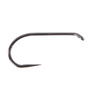




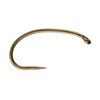


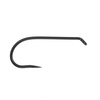
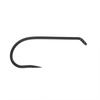
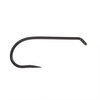

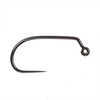

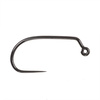
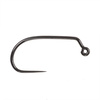

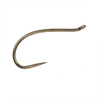

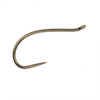

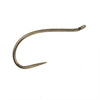
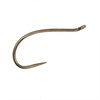
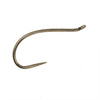
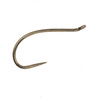

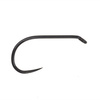
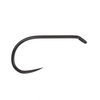
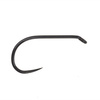



What does removing the barb actually change?
The point meets less resistance during removal and normally causes less additional tissue disruption as it is withdrawn. Penetration can also require less force, although hook sharpness, angle and wire remain decisive. The main benefit is practical control during unhooking, not a promise about every fish.
Factory barbless or crimped barb?
A factory-barbless point has been designed without a barb. Crimping a conventional barb can create a similar working result, but a small bump may remain and the point can crack or roll. Use smooth flat jaws, support the hook and inspect it after crimping. Replace any damaged hook.
Will fish come off more easily?
A barb can help resist movement in the opposite direction, but it cannot compensate for slack line or poor hook placement. With a barbless hook, maintain steady pressure, follow changes in direction and avoid pulling so hard that the hook opening enlarges. Many anglers land fish reliably once line control is consistent.
Choosing by fly type
- Dry fly: light wire, appropriate gape and proportions for the surface pattern.
- Nymph: straight, curved or jig construction matched to bead and body.
- Streamer: wire and shank suitable for fly length and target fish.
- Salmon, predator or saltwater: specialist strength, point, finish and gape.
Barbless does not replace fish-handling practice
Prepare forceps before landing the fish, keep it supported in water where possible and control the hook point. Wet your hands and any contact surfaces. Cut the leader when prolonged extraction would cause greater harm. Follow local regulations, including restrictions on hook number and pattern.
Frequently asked questions
Does BL always mean barbless?
It commonly does, but codes are manufacturer-specific. Confirm the product specification.
Are barbless hooks compulsory in competitions?
Many rules require them, but requirements vary by organiser and fishery. Check the current regulations.
Is a barbless hook enough for safe release?
No. Fight time, water temperature, landing, handling and unhooking all affect the fish.
Can a conventional barb be crimped?
Often yes, but inspect the result carefully and use a purpose-designed barbless hook where rules require a completely smooth point.